MANAMA, November 15, 2026 — Iran’s Islamic Revolutionary Guard Corps claimed it destroyed a U.S. air-defense radar system at the Al-Riffa helicopter base in Bahrain using six drones early Sunday. Bahrain’s military said its air defenses intercepted and destroyed the incoming threats before they reached their targets.
Competing Accounts Emerge
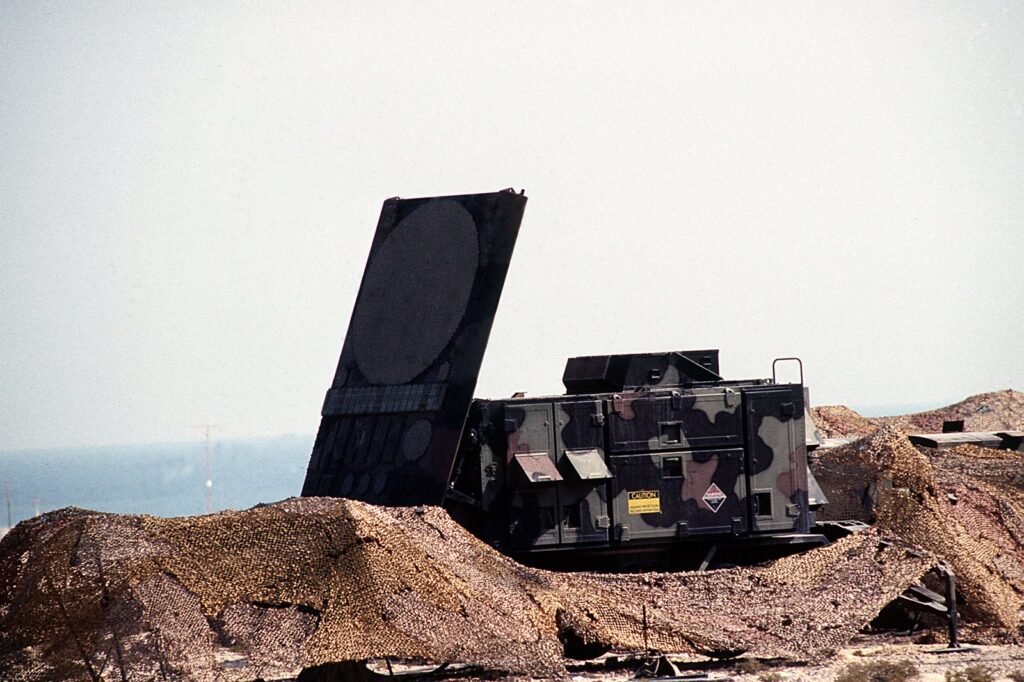
The IRGC Aerospace Force said it launched the six-drone strike in retaliation for what it described as hostile U.S. actions, according to a statement carried by the semi-official Fars news agency on Telegram. Iranian state broadcaster Press TV reported the target was a U.S. air-defense radar at the Al-Riffa base, a main hub for Bahrain’s military helicopter fleet.
The General Command of the Bahrain Defence Force posted on X that Iran is continuing a systematic approach through sinister attacks targeting the kingdom. The command said air defense systems attacked, intercepted and destroyed a number of Iranian air strikes on Sunday, November 15, before achieving their targets. Neither U.S. nor Bahraini authorities immediately confirmed any damage from the claimed radar strike.
Explosions and Alerts
Residents reported explosions around 4 a.m. local time, with a second series of blasts heard around 6:30 a.m., according to the Japan Times. Bahrain’s Interior Ministry issued two warnings of potential security threats on Sunday, the first such alerts since September. The ministry urged citizens and residents to remain calm and proceed to the nearest safe location without providing further details on the nature of the threats.
Bahrain hosts the headquarters of the U.S. Navy’s Fifth Fleet, making the island nation a central node for American military operations in the Gulf.
Pattern of Escalation
The claimed strike follows a similar episode two days earlier. The Revolutionary Guards said they had targeted a U.S. early-warning radar in Bahrain on Friday. The U.S. military denied that account, saying its forces intercepted two Iranian drones without any damage, according to the Jerusalem Post and Ynetnews.
Bahraini state television reported that air defenses intercepted and destroyed an Iranian drone early Sunday morning. Since the conflict began on February 28, Bahrain has intercepted 125 missiles and 211 drones, with three fatalities and more than 51 injuries recorded as of June, according to SwarajyaMag.
Diplomatic Stalemate
The regional war, now approaching its ninth month, began with U.S. and Israeli strikes on Iran on February 28. Tehran responded with missile and drone attacks on U.S. bases across the Gulf and blocked trade through the Strait of Hormuz, triggering a global fuel crisis and high inflation worldwide, according to the background record.
Diplomatic efforts to end the conflict have yet to produce a breakthrough. Washington and Tehran have largely avoided direct attacks in recent weeks, but negotiations remain stalled. President Donald Trump said in recent days he might hold off on attacking Iran if the U.S. faces no new provocations from Tehran or the Iran-backed Houthis in Yemen, but that he would maintain a U.S. naval blockade, Reuters reported Saturday.
Regional Fronts Active
On a parallel front, the Saudi-led coalition said Sunday it intercepted two Houthi ballistic missiles launched toward Riyadh and three drones targeting the kingdom’s oil-rich Eastern Province. Gulf Cooperation Council Secretary General Jasem Al Budaiwi told the UN Security Council on Friday that Iran had launched more than 7,000 missiles and drones at regional countries since February, targeting airports, ports, oil facilities, power stations, desalination plants and residential areas.
Sources
- Iran attacks US radar with drone blitz after Trump claim war 'effectively over'
- US intercepts two Iranian drones as IRGC claims strike on radar in Bahrain | The Jerusalem Post
- Iran claims drone attack on US base in Bahrain as Gulf tensions rise
- Bahrain issues first threat alerts since September as Iran says it attacked U.S. base
- Iran Launches Fresh Drone Strikes On Bahrain Military Base Hosting US Helicopters Amid Escalating Gulf Tensions
Photo: Unknown authorUnknown author (Public domain)