RAND Europe has published a scenario that traces a plausible path to a Russia-NATO war in 2030, beginning with the death of Vladimir Putin and culminating in a Russian incursion into Estonia. The report, detailed by Meduza on Wednesday, is not a prediction but a structured exercise that identifies the flashpoints analysts believe could turn a frozen European conflict into a wider war.
The Catalyst: A Kremlin Succession and a Frozen Ukraine
The scenario opens in January 2027, when Putin dies of natural causes at the age of 74 without a named successor. By March, a former general of the Federal Security Service assumes the presidency. The new leader moves quickly to secure a ceasefire in Ukraine in exchange for partial sanctions relief, but peace talks stall by July over the status of occupied territories, leaving the war frozen. With the eastern front static, the Kremlin redirects freed resources toward rebuilding the army by January 2028.
This sequence mirrors a pattern observed in the corridors of European security planning: a Russian leadership transition has long been viewed as the moment when the calculus of risk could shift. NATO-Russia relations, established in 1991 within the North Atlantic Cooperation Council and deepened through the Partnership for Peace and the NATO-Russia Founding Act, deteriorated sharply after the 2014 annexation of Crimea and the invasion of Donbas. The alliance responded by deploying tripwire forces to the Baltic states and Poland, a posture designed to deter precisely the kind of limited operation the RAND scenario describes.
Hybrid Pressure and the Narva Pretext
By 2029, the scenario’s new Russian president — having replaced Putin’s loyalists but facing a domestic economic crisis — launches a hybrid campaign against NATO. The operation’s design is calibrated to exploit alliance cohesion rather than overwhelm its firepower. The chosen flashpoint is Narva, the Estonian city on the border where a Russian-speaking majority has long been a focal point for Moscow’s influence operations. In May 2030, the suppression of protests there provides the pretext for a limited Baltic invasion.
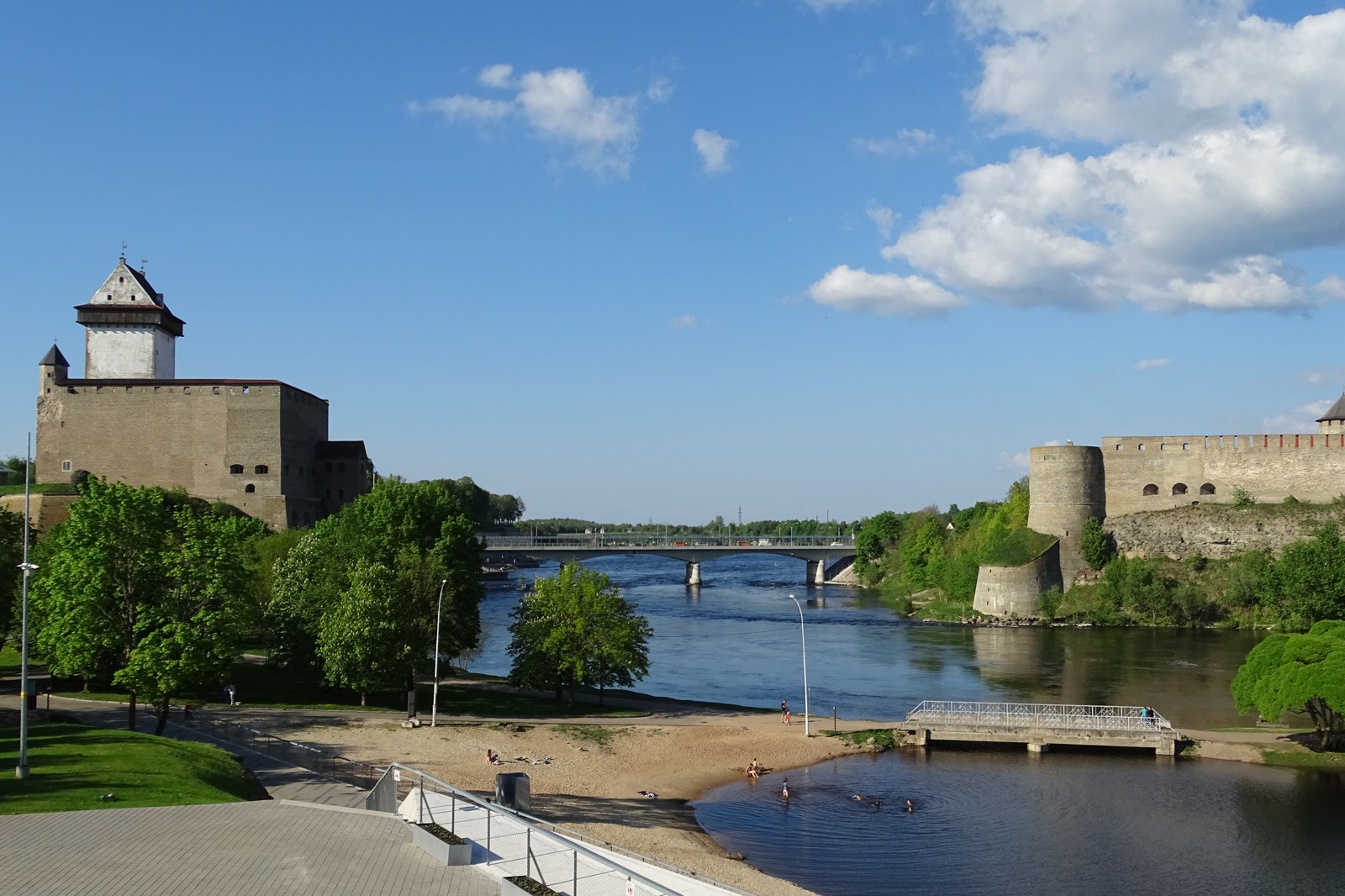
Against this backdrop, the scenario assumes a United States distracted by a major crisis in South America, reducing its military footprint in Europe. The Kremlin calculates that NATO will accept a limited fait accompli rather than risk a full-scale war under Article 5. The report’s authors note that the alliance does invoke collective defense, but the war spreads beyond the Baltics, exhausting European armies by November 2030 while Russian forces retain control of Narva and most of Ida-Viru county.
The Wider Picture: Diplomacy as a Parallel Track
What is at stake in the scenario aligns with diplomatic signals Moscow has been sending in the real 2026. In November, a senior Russian Foreign Ministry diplomat, Alexey Drobinin, outlined three models for a new European security framework at a Moscow conference, including bilateral non-aggression pacts with individual NATO members. The proposal emerged alongside resumed peace talks in Abu Dhabi, where Russia’s chief negotiator, Vladimir Medinsky, said a broader European security arrangement was the central theme. Days earlier, the Russian Foreign Ministry declared that Western policy had drawn a line under the old European security system, citing the rejection of Russian draft agreements in 2009 and 2021.
These moves are not abstract. In December 2025, hackers linked to the FSB-affiliated group Turla compromised Romanian government servers, scanning emails for NATO and EU correspondence using a previously undocumented toolset dubbed Cereal. The intrusion, discovered by Slovak cybersecurity firm ESET, targeted Microsoft Exchange servers and marked a surge in activity against post-Soviet and post-communist states. It serves as a concrete reminder that the hybrid layer of the RAND scenario is already operational.
A European Perspective on Deterrence
For European capitals, the scenario’s most unsettling variable is not Russian ambition but American absence. The think tank’s assumption — that a South American crisis could pull U.S. assets across the Atlantic — reflects a structural anxiety that has shaped EU defence debates since the first Trump administration. The tripwire forces deployed after 2014 were never intended to stop a Russian advance alone; they were designed to guarantee U.S. engagement. If that guarantee frays, the calculation in Moscow changes.
The RAND analysts stress that their 2030 timeline is one of several possible futures. Yet the report considers the threat of a war in Europe against an equally matched adversary to be quite real by the end of the decade. The scenario ends not with a settlement but with another frozen conflict: Russian troops in Narva, peace talks at an impasse, and a European security architecture that has failed to prevent the very outcome it was built to avoid.
Sources
- Analysts outline possible scenario for Russia-NATO war in 2030: Putin dies and Russia invades Estonia — Meduza
- Russia–NATO relations
- Romanian servers targeted by Russian hackers to scoop up emails about NATO, EU
- Could Russia Offer Non-Aggression Pacts to NATO Members as Part of a Ukraine Peace Deal?
- West’s Policy Draws Line under Old Security System in Europe for Russia: Foreign Ministry – Other Media news – Tasnim News Agency
- Trump’s new envoy to Norway travelled straight from the Royal Palace to the Russian border – ArcticToday
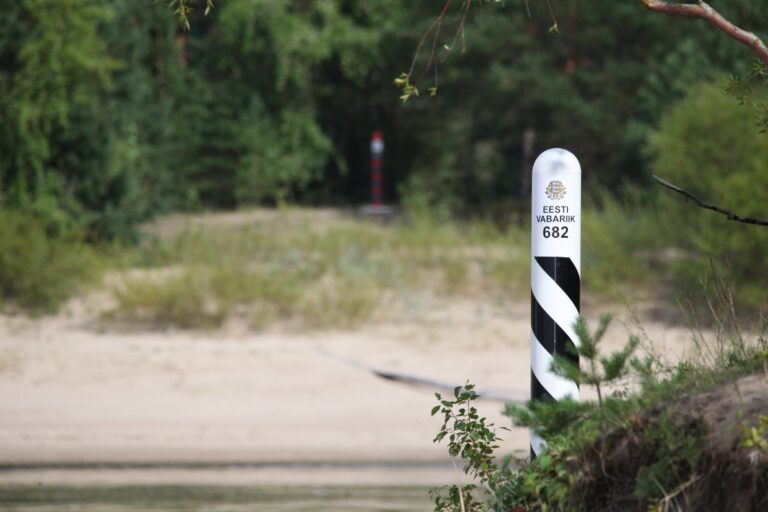
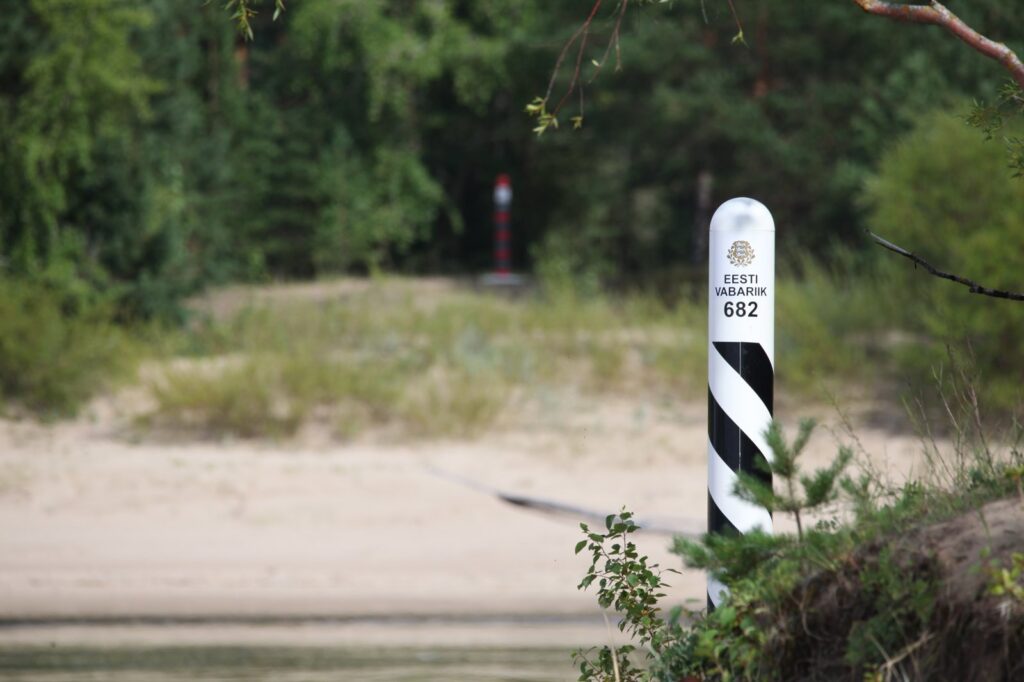
Photo: Sillerkiil (CC0)