Binyam Ahmed Mohamed, an Ethiopian national and United Kingdom resident, spent five years detained as a suspected enemy combatant at the Guantánamo Bay detention camp before returning to Britain in 2009. His journey from an immigrant seeking a new life in Canada to a prisoner in a global network of detention facilities remains a case study in the legal and ethical complexities of the post-9/11 era. The path to his release involved years of military commission proceedings, hunger strikes, and subsequent legal battles in the United Kingdom regarding the conduct of intelligence services.
Early Life and Travel to Asia
Born in Ethiopia on 24 July 1978, Mohamed moved to Canada in 1995 to seek political asylum. He lived in the country for seven years while his application for permanent resident status was processed. In June 2001, Mohamed traveled to Afghanistan. The purpose of this trip remains a point of contention between Mohamed and Western authorities. Mohamed and his supporters stated that he went to the region to address personal struggles with drug use and to visit Muslim countries. Conversely, U.S. and British authorities contended that Mohamed received paramilitary training at the al-Qaeda-run al Farouq training camp. Mohamed later admitted to receiving military training but maintained that his intent was to fight alongside Muslim resistance forces in Chechnya against Russian troops, an activity he argued was not illegal. He also claimed that any confessions regarding al-Qaeda were made under duress while he was being held in Pakistani jails.
Extraordinary Rendition and Detention
On 10 April 2002, Pakistani authorities arrested Mohamed at Karachi airport as he attempted to return to the United Kingdom using a false passport. Following his arrest, Mohamed reported that he was subjected to extraordinary rendition by the United States. According to his accounts, he was transferred through a system of clandestine facilities, often referred to as ghost prisons, located in Pakistan, Morocco, and Afghanistan. While detained in Morocco, Mohamed claimed that interrogators tortured him by repeatedly using scalpels or razor blades to cut his chest and penis. In December 2005, the declassification of his lawyer’s notes revealed further allegations of abuse, including claims that he was held in a dark prison in Kabul where he was chained to walls and subjected to extremely loud music for 20 days.
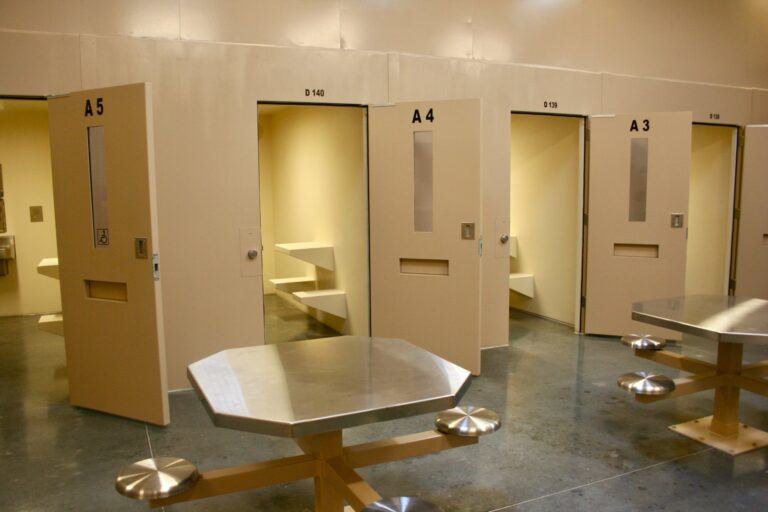
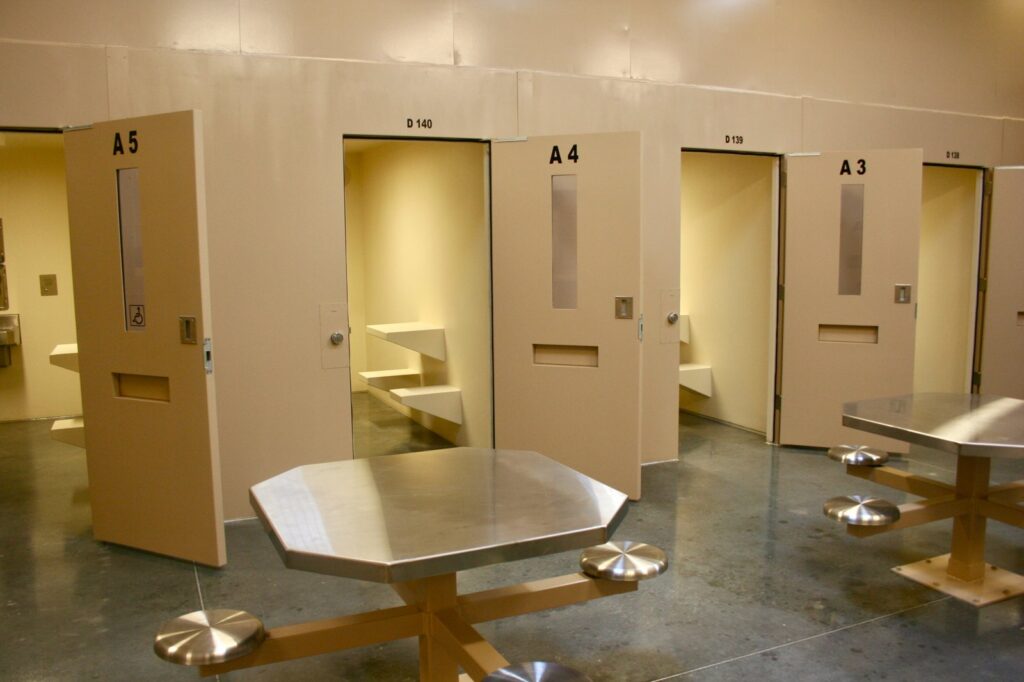
In September 2004, U.S. military authorities transferred Mohamed from the Bagram airbase in Afghanistan to the Guantánamo Bay detention camp in Cuba. By February 2005, he was moved to Camp V, a high-security facility used for detainees deemed uncooperative. During his time at Guantánamo, Mohamed participated in lengthy hunger strikes to protest what he described as harsh conditions and a lack of access to judicial review. In a written statement dated 11 August 2005, Mohamed alleged that U.S. authorities had failed to uphold promises to bring the prison into compliance with the Geneva Conventions. He further stated that detainees were subjected to physical abuse and the desecration of the Qur’an.
Military Commissions and Legal Challenges
On 7 November 2005, a military commission at Guantánamo charged Mohamed with conspiracy. The complaint alleged that he had been trained in Kabul to build dirty bombs and was planning terror attacks against high-rise apartment buildings in the United States. During the proceedings, Mohamed chose to represent himself, openly protesting the legitimacy of the military commission process. In 2006, the U.S. Supreme Court ruled in the case of Hamdan v. Rumsfeld that the President lacked the constitutional authority to establish such military commissions, effectively halting the proceedings against Mohamed.
Following the passage of the Military Commissions Act of 2006, the U.S. Department of Defense prepared to file new charges. However, on 21 October 2008, Susan J. Crawford, the official in charge of the Office of Military Commissions, announced that all charges against Mohamed and four other captives were dropped. Attorneys for the men, as reported by the Los Angeles Times, suggested the move was procedural and linked to the resignation of a prosecutor who had raised ethical concerns regarding the withholding of exculpatory evidence. After the charges were dismissed, Mohamed was released from U.S. custody and arrived in the United Kingdom on 23 February 2009.
Accountability and Compensation
Upon his return to Britain, Mohamed pursued legal action against the UK government, alleging that British intelligence services, specifically MI5 and MI6, were complicit in his torture and mistreatment by the United States. In August 2008, the High Court of the United Kingdom ruled that the Foreign Office must disclose information regarding Mohamed’s abuse, stating that such material was essential for his defense. While the court initially ordered the disclosure of these documents to Mohamed’s legal counsel, it later ruled in favor of the Foreign Secretary to prevent their public release, citing concerns over the intelligence relationship between the United Kingdom and the United States.
In February 2010, the UK Court of Appeal issued a ruling confirming that Mohamed had been subjected to cruel, inhuman, and degrading treatment by U.S. authorities, and that British intelligence services had been complicit in this treatment. Following this judicial determination, the UK government reached a settlement with Mohamed in November 2010. Officials agreed to pay him an undisclosed sum in compensation for his ordeal. The case remains a significant reference point for discussions regarding the intersection of national security, international human rights standards, and the intelligence-sharing practices between allied nations.
Legal Representation and Self-Defence
During the military commission proceedings at Guantánamo Bay, Mohamed chose to represent himself, openly challenging the legitimacy of the process. According to court records, he protested the commissions and stated he was not the person charged because the prosecution had spelled his name incorrectly. He held up a sign reading “con mission” and declared: “This is not a commission, it’s a con mission, It’s a mission to con the world.” In mid-2006, the United States Supreme Court ruled in Hamdan v. Rumsfeld that the President lacked the constitutional authority to establish such military commissions outside regular federal and military justice systems, effectively halting the proceedings against him.
Following the passage of the Military Commissions Act of 2006, the U.S. Department of Defense prepared to file new charges against Mohamed. However, on 21 October 2008, Susan J. Crawford, the official in charge of the Office of Military Commissions, announced that all charges against Mohamed and four other captives were dropped. Attorneys for the men suggested the move was procedural and linked to the resignation of a prosecutor who had raised ethical concerns regarding the withholding of exculpatory evidence. After the charges were dismissed, Mohamed was released from U.S. custody and arrived in the United Kingdom on 23 February 2009.
Sources
Photo: Harrison Keely (CC BY 4.0)