Binyam Ahmed Mohamed arrived in the United Kingdom on 23 February 2009, more than four years after he was moved to Guantánamo Bay and almost seven years after his arrest in Pakistan. An Ethiopian national and UK resident, he had been held as a suspected enemy combatant. The record that followed his release is mostly a record of what British and American officials knew about how he was treated.
From Asylum in Canada to Afghanistan
Mohamed was born in Ethiopia on 24 July 1978. He moved to Canada in 1995 and sought political asylum, living there for seven years while his application for permanent resident status was resolved. In June 2001 he traveled to Afghanistan, and the reasons are disputed. He and his supporters said he went to deal with a drug problem and to see Muslim countries “with his own eyes.” British and U.S. authorities said he admitted receiving paramilitary training at the al Farouq camp run by al-Qaeda. Mohamed acknowledged military training but said it was meant for fighting alongside Muslim resistance forces in Chechnya against the Russians, which he said was not illegal. He also said he made false statements while being tortured in Pakistani jails.
Arrest, Rendition and Guantánamo
Pakistani authorities arrested him at Karachi airport on 10 April 2002 as he tried to return to the UK on a false passport. Mohamed says the United States then subjected him to extraordinary rendition, passing him through a “ghost prison system” in Pakistan, Morocco and Afghanistan. In Morocco, he says, interrogators repeatedly cut his chest and penis with scalpels or razor blades. After his lawyer’s notes were declassified in December 2005, he described a Kabul site called “the dark prison,” where, he said, captives were chained to the wall and subjected to extremely loud music for 20 days.
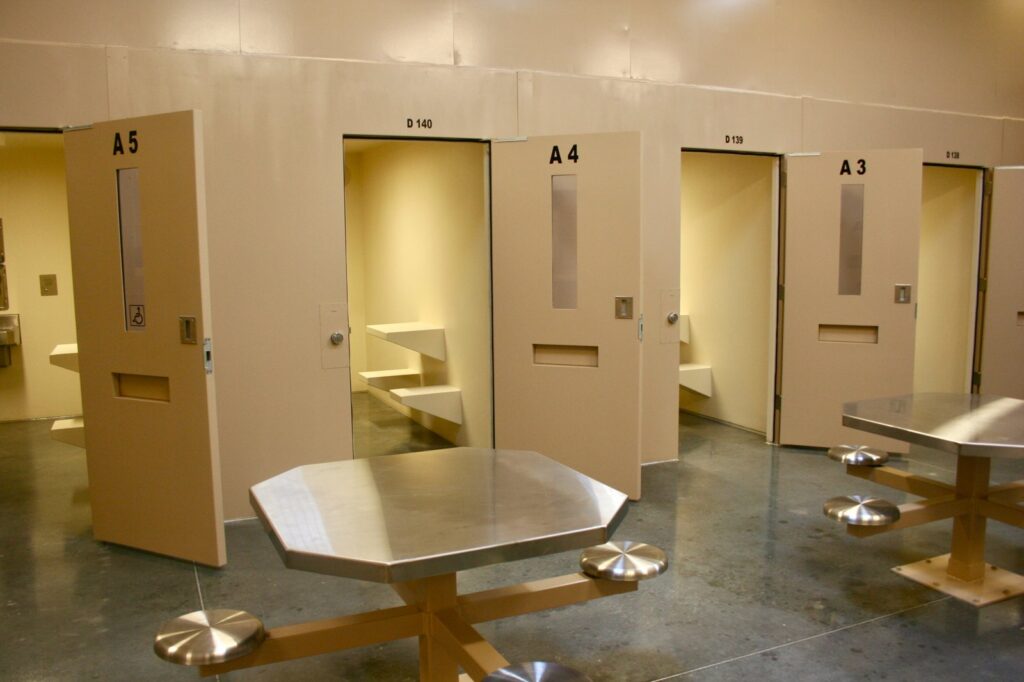
U.S. military authorities moved him from Bagram to Guantánamo on 19 September 2004. In February 2005 he was placed in Camp V, the “super-maximum” unit where “uncooperative” detainees are reportedly held. His British barrister, Clive Stafford Smith, said Mohamed took part in lengthy hunger strikes in 2005 over conditions and the lack of judicial review. In a written statement dated 11 August 2005 he said the administration had promised to bring the prison into line with the Geneva Conventions, and that the promise had been broken.
Charges Filed, Then Dropped
On 7 November 2005 a military commission at Guantánamo charged him with conspiracy. The complaint alleged he was trained in Kabul to build dirty bombs and was planning attacks on high-rise apartment buildings in the United States. Mohamed represented himself. He argued he was not the person charged because the prosecution had misspelled his name, and he held up a sign reading “con mission.” “This is not a commission, it’s a con mission, It’s a mission to con the world,” he said.
In mid-2006 the U.S. Supreme Court ruled in Hamdan v. Rumsfeld that the President lacked the authority to create such commissions, and his case was halted. New charges followed under the Military Commissions Act of 2006. On 21 October 2008 Susan J. Crawford, the official in charge of the Office of Military Commissions, announced that charges against Mohamed and four other captives were dropped. The Los Angeles Times reported that the men’s attorneys said prosecutors called the move procedural, and that they linked it to the resignation of prosecutor Darrel Vandeveld on ethical grounds.
The British Cases
Britain had asked on 7 August 2007 for Mohamed and four other legal residents to be released. After his return he and others sued the UK government over alleged MI5 and MI6 complicity in his torture. On 21 August 2008 the High Court ruled that the Foreign Office should disclose material on his treatment, which the judges called “not only necessary but essential for his defence.” The documents went to his lawyers but were not made public, and the court later sided with the Foreign Secretary on publication, citing the intelligence relationship with the United States.
In February 2010 the Court of Appeal ruled that U.S. authorities had subjected him to “cruel, inhuman and degrading treatment” in which British intelligence services were complicit. In November 2010 the UK government agreed to pay him an undisclosed sum. Separately, the U.S. Court of Appeals for the Ninth Circuit dismissed his civil suit against the flight contractor Jeppesen Dataplan on 8 September 2010.
Sources
Photo: Harrison Keely (CC BY 4.0)