Israelis woke on Wednesday to an election that settled very little. Nearly 78% of eligible voters turned out, the highest share since 1999, and still no bloc has a clear path to a majority. Weeks of bargaining could follow for Prime Minister Benjamin Netanyahu and the parties trying to unseat him.
What the count shows
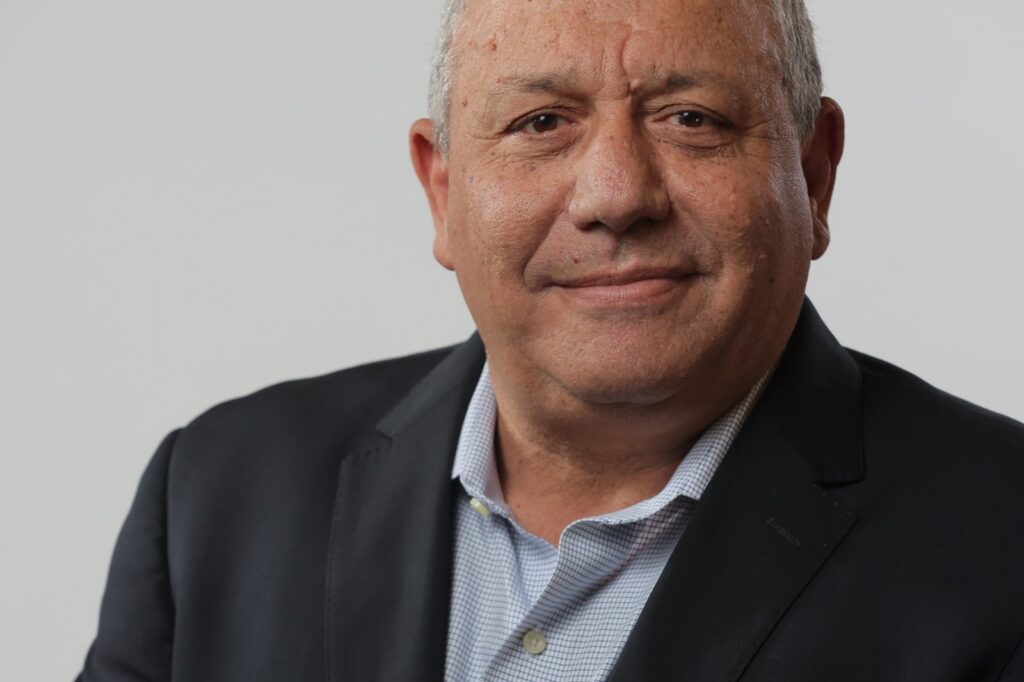
With 85% of votes counted, Netanyahu’s Likud has 20.8%, down from 23.4% in 2022. Gadi Eisenkot, a centrist former military chief, has 16.1% for his Yashar party. Israelis vote for parties rather than people, and the official count does not yet say how many of the 120 Knesset seats each party has. Local media projected 53 seats for Likud and its allies, 48 for Yashar and its allies, and 19 for Arab-led parties. A majority needs 61, and neither bloc gets there.
The turnout reflects unease over Netanyahu’s alliance with the far right and anger, in a war-weary country, over draft exemptions for many ultra-Orthodox men. Yet his opponents could not turn the grief left by the Hamas-led attack of October 7, 2023, into a decisive push against him. One far-right partner, national security minister Itamar Ben-Gvir, lost support. Final results are expected by the end of the week, once about half a million absentee ballots from soldiers and diplomats are counted.
The Arab parties and the arithmetic
Arab-led parties made a historic showing, with 14.9% of the votes counted. Their voters make up 20% of Israel’s population. The most obvious route to a majority runs through them, which is also the hardest politically. Eisenkot has left the door open on conditions: that they recognize Israel as a Jewish state and Hamas as an extremist group. Some of his likely partners have ruled out any such alliance, and it is not clear whether they will change their minds.
Netanyahu calls the idea treasonous and warns of a “dangerous government.” The Arab-led parties, for their part, have ruled out working with him. Mansour Abbas, leader of the United Arab List, the only Arab party ever to join a governing coalition, in 2021 and briefly, told supporters: “We are here, we are not on the sidelines.”
Ordinary Israelis are weighing the prospect in different ways. “I don’t see a possibility to form a government without the Arabs,” said Hanna Doukhan, a Tel Aviv voter. Eti Wissotzky-Cohen, also in Tel Aviv, called it a chance to repair society while keeping Israel the national home of the Jewish people. In Nazareth, Awni Zoabi thanked God for a possible return to reason in a country where, he said, “the Arabic language has become as if it were a crime.” Ran Cohen of Jerusalem would rather see Netanyahu build the coalition. Israel’s Arab citizens descend from Palestinians who remained after 1948, and suspicion toward them has deepened since October 7, even though Arab citizens were among those killed and abducted.
Fraud claims
On Wednesday Netanyahu accused Arab-led parties of stealing the election. A statement alleged bribery, threats, violence, forgery and prohibited software to mobilize voters. Likud said it was passing hundreds of testimonies and pieces of evidence to the police, the Shin Bet and the Central Elections Committee. It cited what it described as thousands of envelopes of cash and ballots for Ra’am, the party headed by Abbas, along with threats to polling station officials, voting behind screens and duplicate identities. The AP noted that Likud gave no specific evidence. The committee says irregularity reports are well below those of past elections, and an official dismissed the fraud claims on Israeli television, according to The Times of Israel.
Next steps
Likud looks likely to stay the largest party, best placed to be asked by President Isaac Herzog to form a government, though he does not have to choose the biggest party’s leader. “We must do everything we can, certainly after yesterday, to avoid another round of elections,” Herzog said. Israel held five elections between April 2019 and November 2022 over a similar stalemate. Minority governments are possible but depend on outside parties to pass laws, and a Netanyahu-Eisenkot unity government is discussed too. Eisenkot promised “a new era of hope” and a government of national unity. If nobody manages a majority, voters could return to the polls early next year.
Sources
- Israelis await final election results as Netanyahu rivals weigh joining forces with Arab parties
- Netanyahu and top rival face postelection choices that could redefine Israeli politics
- Netanyahu Says Israel Elections Were ‘Stolen’ As He Fails To Get Majority
Photo: Ronen Horesh (CC BY-SA 4.0)