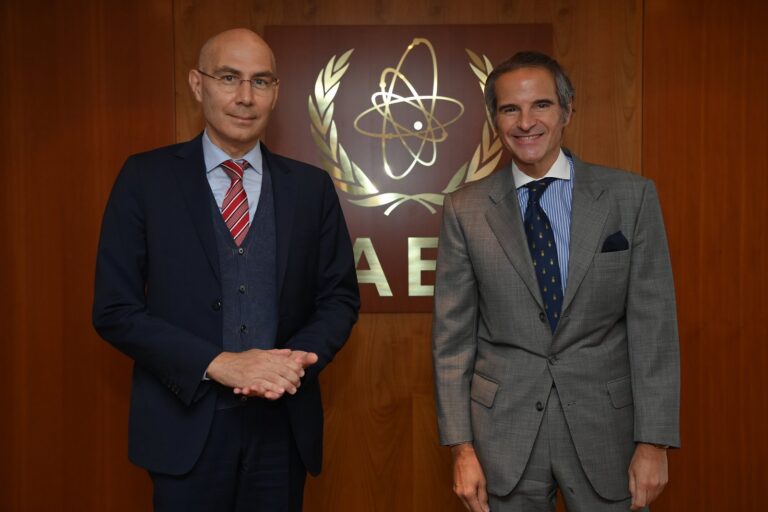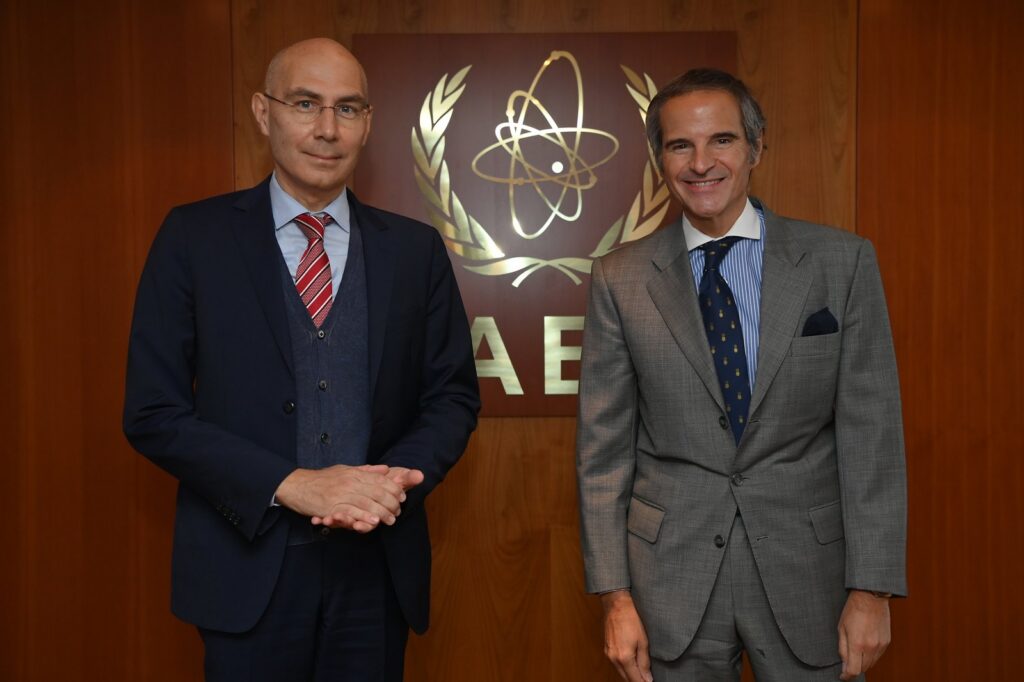
GENEVA, October 30, 2026 — UN human rights chief Volker Türk has urged global actors to prioritize civilian safety amid rising conflict-related abuses and the erosion of humanitarian norms. He called for stricter adherence to international law and highlighted the need for factual monitoring and gender-responsive protection strategies.
The Legal Definition of Civilians in Modern Warfare
International humanitarian law defines civilians as individuals who are not members of any armed force party to a conflict. According to the legal framework established by the Geneva Conventions, it is a war crime to deliberately target civilians in military attacks. Civilians who do not take a direct part in hostilities are classified as non-combatants and are entitled to specific protections under international law, including the Fourth Geneva Convention of 1949.
The International Committee of the Red Cross commentary on Geneva Convention IV established that every person in enemy hands must have a protected status under international law. There is no intermediate status; a person is either a prisoner of war covered by Geneva Convention III, a civilian covered by Geneva Convention IV, or a member of medical personnel covered by Geneva Convention I. This framework was designed to ensure that nobody in enemy hands falls outside the protection of the law.
Protocol I additional to the Geneva Conventions, adopted in 1977, further codified the definition of a civilian and the principle of distinction. The rule requires parties to a conflict to distinguish at all times between combatants and civilians, directing operations only against military objectives. When civilians directly engage in hostilities, they lose their protection from attack for the duration of their participation and may be prosecuted under the domestic law of the detaining state.
Current Challenges to Civilian Protection in Active Conflict Zones
Speaking at a press briefing on October 28, Türk reiterated deep concern over the situation in Gaza. He stated that Palestinians are now confined to around 30 percent of the territory, face severe shortages of food and essential services, and continue to be killed by Israeli forces. He urged the next Israeli government, following the election held on Tuesday, to change the course of warfare and respect international humanitarian law.
Türk rejected accusations that the UN focuses solely on Israel, stressing that the organization has repeatedly denounced the October 7 attacks and closely monitors abuses by Hamas and Palestinian authorities. He expressed particular concern over reports of extrajudicial executions by Hamas militants. In Ukraine, Türk warned that civilian casualties could reach their highest levels since 2022 amid intensified drone warfare. He noted that attacks on electricity grids have been particularly devastating for older people and people with disabilities, compounded by strikes on railway infrastructure and supermarkets.
Regarding the Houthis, Türk said that attacks on Saudi airports and other civilian infrastructure raise questions of war crimes because they are not clearly military targets. He also called for the immediate and unconditional release of 71 UN workers detained by the Houthis, expressing concern over reports of very dire conditions in detention centres under their control. Türk said he often feels there is no empathy about the plight of civilians in Ukraine and urged greater attention to human rights in ceasefire and peace negotiations.
The Role of Factual Monitoring in International Accountability
Asked about the leverage the UN holds in its relationship with a future Israeli government that controls aid flows, Türk emphasized the importance of monitoring activities. He stated that monitoring in Gaza, the West Bank, Lebanon, and Syria is extremely important because it keeps decision-making factual and ensures the world is properly informed. This approach positions evidence-based reporting as a primary tool for accountability when political leverage is limited.
The High Commissioner’s remarks reflect a broader reliance on documentation to establish patterns of abuse. By maintaining a factual record of strikes on civilian infrastructure, detention conditions, and execution reports, the UN aims to create a baseline that parties to a conflict cannot easily dismiss. Türk’s insistence on monitoring across multiple theaters — Gaza, Ukraine, Yemen, and Syria — signals an attempt to apply a consistent standard of scrutiny regardless of the actor involved.
Integrating Gender-Responsive Strategies into Protection Efforts
New joint research launched on October 27 by four international organizations — the Center for Civilians in Conflict, ODI Global’s Humanitarian Policy Group, Nonviolent Peaceforce, and Fight for Humanity — argues that gender-responsive protection is essential to addressing the full spectrum of civilian harm. The studies, based on research across seven countries, find that gender consistently shapes protection risks and access, although visibility to protection actors varies by context.
The research documents specific risks faced by men that often go unrecognized, including detention, forced recruitment, and combat-adjacent violence. Conversely, it finds that women’s meaningful participation in community-based protection improves safety outcomes for entire communities. Vanja Kovac, Senior Gender, Inclusion and Child Protection Advisor at CIVIC, stated that gender-responsive protection is not about prioritizing one group over another but about seeing the full picture of civilian harm and designing protection efforts that work for everyone.
A companion study examining Iraq, South Sudan, Myanmar, and Ukraine highlights how intersecting aspects of identity shape experiences of risk and protection. It warns that a well-funded anti-gender movement is creating mounting resistance to gender equality, complicating efforts to integrate these strategies. Humanitarian actors are operating in an environment marked by shrinking funding and a dismantling of the international norms-based order, increasing the cost of protection blind spots.
The Impact of Infrastructure Attacks on Vulnerable Populations
Türk’s briefing drew a direct line between attacks on infrastructure and the suffering of specific vulnerable groups. In Ukraine, strikes on electricity grids have had a disproportionate impact on older people and people with disabilities. These attacks, combined with strikes on railway infrastructure and supermarkets, degrade the basic services that sustain civilian life during winter months.
The legal assessment of such strikes hinges on the principle of distinction. Türk stated that targeting civilian sites like airports raises questions of war crimes when they are not clear military targets. The erosion of norms regarding infrastructure protection reflects a broader trend identified by humanitarian actors: a dismantling of the international norms-based order. As funding shrinks and resistance to protection frameworks grows, the cumulative effect of infrastructure degradation deepens the crisis for populations already trapped in conflict zones.
Sources
- Civilian
- UN human rights chief urges better protection of civilians in conflicts
- New Joint Research Examines Gender, Intersectionality, and Protection of Civilians
Photo: IAEA Imagebank (CC BY 2.0)