UNITED NATIONS, October 29, 2026 — The United Nations General Assembly prepares for its 34th vote on the US embargo against Cuba today, as diplomatic tensions reach a boiling point and international consensus shows signs of fracturing. Support for the resolution, which calls for an end to the long-standing trade restrictions, faces new pressures amid an intensifying geopolitical standoff between Washington and Havana.
A Legacy of Economic Confrontation
The United States embargo against Cuba stands as the most enduring trade embargo in modern history. Initiated in 1960, the policy has evolved into a comprehensive set of sanctions that impact every sector of the Cuban economy. The framework relies on a series of legislative acts, including the Trading with the Enemy Act of 1917 and the Helms–Burton Act of 1996. These laws effectively prevent US businesses and citizens from conducting trade or commerce with Cuban interests.
The roots of this economic wall stretch back to the aftermath of the Cuban Revolution. Following the nationalization of American economic assets, including oil refineries, the United States responded with a total trade embargo. The policy was further solidified during the 1962 Cuban Missile Crisis, which led to a full blockade of the island. While the embargo saw a brief period of relaxation during the thaw in relations between 2015 and 2017, the policy has tightened sharply in the years since.
The Shifting Tides of Global Opinion
The United Nations General Assembly has voted on the necessity of ending the embargo 33 times since 1992. In that first year, 59 countries backed the resolution, while 71 abstained and 46 did not participate. Over the following two decades, international opposition to the embargo grew steadily. Support reached a peak of 191 votes in favor during the 2015–2017 period, reflecting a moment of diplomatic rapprochement.
However, recent years have seen a cooling of that consensus. Last year, the vote tally stood at 165 countries in favor, 7 against, and 12 abstentions. While the resolution is not legally binding, it serves as a reflection of world opinion. Diplomats at the United Nations now monitor whether the Trump administration’s campaign to influence the vote will result in a further decline in support or a rise in abstentions from traditional Western allies.
Maximum Pressure and Humanitarian Costs
The current administration’s policy of maximum pressure has significantly altered the environment on the ground in Cuba. According to the United Nations Resident Coordinator in Cuba, Francisco Pichon, the tightening of sanctions has contributed to a severe energy crisis. This shortage of power is not merely a logistical problem but a humanitarian one. Reports from the World Health Organization and senior United Nations officials indicate that the energy crisis has forced the postponement of more than 100,000 surgical procedures.
Cuban authorities have also reported significant disruptions to vaccination programs and a lack of stable medicine supplies for patients with chronic illnesses. Independent United Nations experts and successive High Commissioners for Human Rights have expressed concern that these unilateral sanctions threaten the rights of Cubans to health, life, and development. Conversely, US Ambassador Mike Waltz has rejected these characterizations. During the General Assembly debate, Waltz argued that the crisis in Cuba is the result of the Cuban government’s own policies rather than the US embargo. He stated that the United States continues to export goods to the island, asserting that there is no blockade.
Diplomatic Tensions on the Floor
The friction surrounding the embargo has moved from policy papers to the floor of the General Assembly. On Tuesday, a debate between US Ambassador Mike Waltz and Cuban Foreign Minister Bruno Rodríguez Parrilla escalated into a shouting match. The scene prompted the President of the General Assembly to briefly suspend the session. The confrontation was marked by an exchange in which the Cuban Foreign Minister interrupted the US envoy, calling him a liar and demanding he back away from the podium.
The climate of hostility is compounded by recent rhetoric from the White House. President Donald Trump has raised the possibility of US military intervention, suggesting that warships could stop over in Cuba while returning from the war in Iran. This prospect of military action, combined with the ongoing energy crisis, has created a volatile atmosphere for this year’s vote. As member states prepare to cast their ballots, the debate serves as a sharp reminder of the deep-seated divisions that continue to define the relationship between Washington and Havana. The outcome of the 34th vote will be closely watched as a gauge of how much the international community is willing to accommodate the current US stance on the island.
Legislative Enforcement Mechanisms
The United States enforces its embargo primarily through the Trading with the Enemy Act of 1917, which serves as the foundational legal basis for restricting trade with Cuba. This act is supplemented by a series of specific legislative measures designed to close loopholes and expand restrictions across all sectors of the Cuban economy. These include the Foreign Assistance Act of 1961, the Cuban Assets Control Regulations of 1963, the Cuban Democracy Act of 1992, the Helms–Burton Act of 1996, and the Trade Sanction Reform and Export Enhancement Act of 2000.
Collectively, these laws prevent US businesses and citizens from conducting trade or commerce with Cuban interests. The framework relies on this comprehensive set of sanctions to ensure that no American entity engages in transactions with Cuba, effectively creating a legal wall that has endured for decades despite shifts in diplomatic relations. Even during periods of thaw between 2015 and 2017 when the policy saw relaxation, these statutes remained the underlying structure from which restrictions were temporarily lifted or reinstated.
The current administration’s policy of maximum pressure utilizes this legislative toolkit to tighten sanctions further, targeting energy and agricultural sectors as well as financial claims. By leveraging these acts, the US government influences extraterritorial trade with Cuba, ensuring that its economic campaign remains comprehensive. Successive UN High Commissioners for Human Rights and independent UN experts have noted that these unilateral sanctions threaten the rights of Cubans to health, life, food and development, yet the legislative enforcement continues to shape the volatile atmosphere surrounding the island.
Sources
- United States embargo against Cuba
- General Assembly weighs US embargo against Cuba ahead of 34th vote
- UN holds annual vote on condemning US embargo on Cuba as tensions spill into public
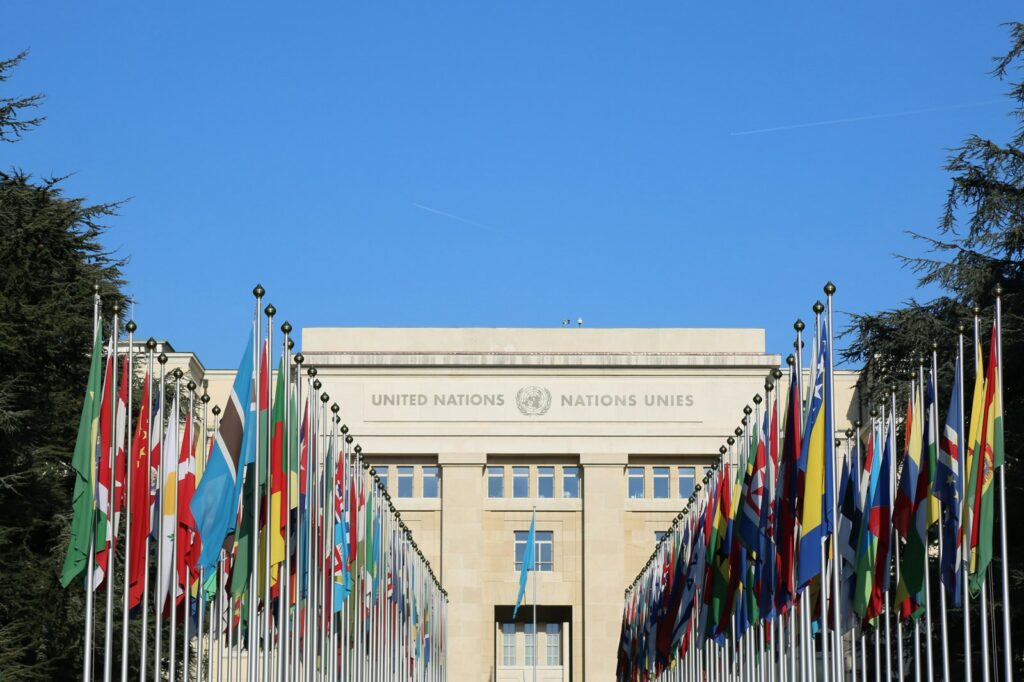
Photo: Salya T / Unsplash (Unsplash License)