Customs Points and Smuggling Routes
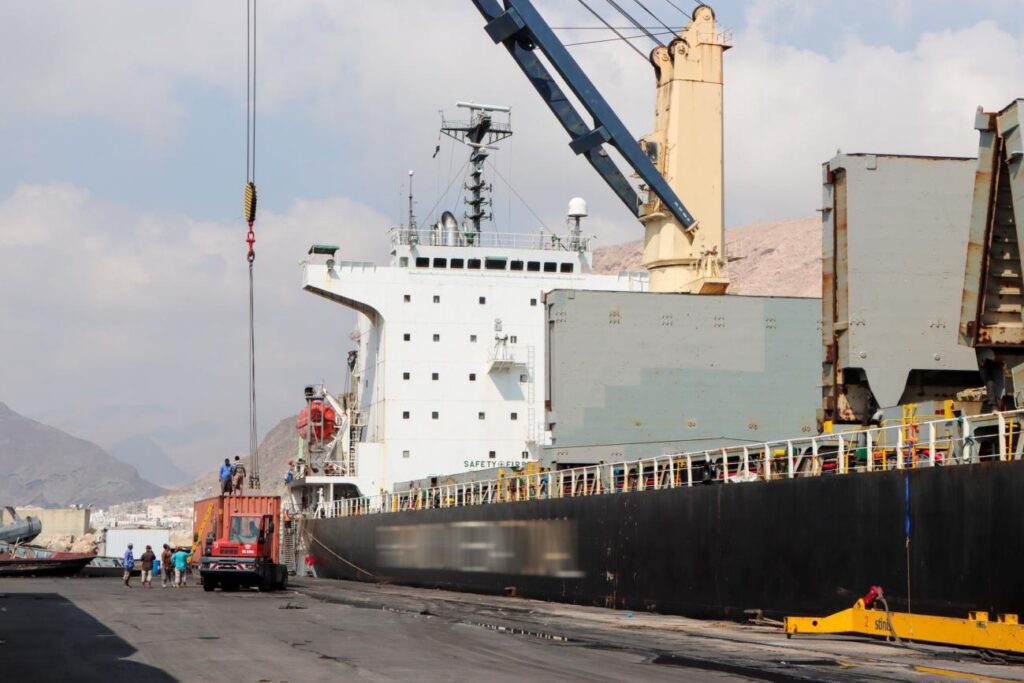
The Houthi movement, officially known as Ansar Allah, sustains its insurgency through a hybrid economy anchored in Red Sea smuggling and customs collection. According to reporting from the Middle East Forum, the group has established control over key entry points along Yemen’s coastline, allowing it to levy taxes on goods moving in and out of Houthi-held territory. These customs points function as a primary revenue stream, supplementing the movement’s finances without relying solely on external patronage. The geography of Saada and surrounding governorates provides natural choke points for vessels and land convoys, which the Houthis have exploited to generate consistent income streams.
Fuel Sales and Energy Infrastructure Attacks
Fuel represents another critical pillar of Houthi financing. The same source notes that the movement has targeted Saudi energy infrastructure, including oil fields and administrative buildings, as both a tactical objective and a financial lever. Attacks on facilities such as the Shaybah oilfield and Aramco sites have raised the cost of energy production and disrupted supply lines, indirectly benefiting the group by tightening global markets. In addition to these kinetic operations, the Houthis have been reported to sell fuel captured from Yemeni government stocks or smuggled across borders, creating a parallel energy market that funnels revenue back into frontline operations. The price volatility seen in global benchmarks, such as Brent crude climbing to five-month highs, underscores how Houthi actions ripple through energy markets and affect global pricing.
Qat and Other Commodities
Beyond fuel and customs, the Houthi economy incorporates the trade of commodities such as qat, a mild stimulant chewed widely in the region. Reporting indicates that the group taxes and facilitates the movement of qat shipments passing through territories under its control. This trade, while often overlooked in broader security assessments, constitutes a steady source of cash flow. The logistics of moving qat through Red Sea routes and land borders provide a consistent, if smaller, revenue stream that helps sustain daily operational costs. The combination of these commodity taxes with customs duties creates a layered financial structure that is difficult for outside actors to disrupt entirely.
Seized Assets and International Sanctions
The group’s financial resilience is further reinforced by the capture of state assets and the circumvention of international sanctions. Following the escalation of the conflict, the Houthis have seized government banks, foreign aid caches, and military equipment located in areas they have overtaken. These assets are often liquidated or repurposed to fund procurement and logistics. International designations, including those by the United States, have sought to freeze these funds, but the movement’s decentralized structure and use of informal banking networks allow a degree of continuity. The interplay between seized resources and sanctioned channels means that even under pressure, the Houthis maintain a functional fiscal apparatus capable of supporting sustained military activity.
Religious Competition as a Driver
The Houthi movement’s origins are deeply entwined with religious competition in Yemen, a dynamic the article identifies as foundational to the group’s rise. According to the Middle East Forum, for decades Saudi Arabia treated Yemen as a strategic buffer and pursued religious outreach as a policy instrument. Saudi-backed Salafi institutions expanded into areas where Zaydism, a distinct branch of Shia Islam, held deep roots. This competition sharpened anxieties over identity and political authority, transforming religious difference into a wider political issue. The establishment of Dar al-Hadith in Dammaj around 1980, associated with Saudi-financed outreach, attracted students from Yemen and abroad, threatening the established position of many Zaydi communities.
Within this environment, the Believing Youth movement emerged in 1992, initially promoting religious education and cultural revival. Hussein Badreddin al-Houthi joined in 1999 and helped shift it toward politics. Its appeal reflected not only opposition to Saudi influence but also local grievances, underdevelopment, disputes over state authority, and dissatisfaction with President Ali Abdullah Saleh. The movement’s expansion depended on political choices and alliances, not religious identity alone. The conflict became militarized in 2004 when the Yemeni government moved against Hussein al-Houthi and his followers. Six rounds of fighting followed in Saada through 2010, and Hussein’s death did not end the rebellion; his brother Abdul-Malik eventually became its leader. The movement survived and portrayed itself as defender of communities, a narrative rooted in the religious competition that preceded its armed rise.
Regional Security Implications
Houthi operations have fundamentally altered the security calculus of the Red Sea and broader Middle East. According to maritime security data, the group has conducted at least 18 vessel attacks over a two-week period, compelling commercial shippers to reroute around the Cape of Good Hope and driving insurance premiums to multi-year highs. These disruptions have not only raised the cost of global trade but also intensified military posturing, with Pakistan deploying additional weapons and troops to Saudi Arabia under a Strategic Mutual Defence Agreement to counter perceived threats to energy infrastructure. The resulting geopolitical risk premium in energy markets reflects the Houthis’ ability to leverage asymmetric tactics against significantly more powerful adversaries.
Furthermore, Houthi claims of targeting Saudi energy sites—including the Shaybah oilfield, Aramco facilities in Yanbu, and key airports—have triggered direct military responses and diplomatic realignments. Saudi authorities have struggled to independently verify the extent of damage, but the mere assertion of capability has altered deterrence dynamics. ING analysts have identified a significant geopolitical risk premium in oil prices linked to uncertainty over supply flows, while the United States and its partners have sought to freeze Houthi-linked funds. This environment of persistent insecurity ensures that the group’s financial and operational reach continues to ripple across international borders, reshaping alliances and threat assessments far beyond Yemen’s immediate borders.
Sources
- Why Saudi Arabia Helped Create Its Worst Houthi Nightmare
- Brent Crude Reaches Five-Month High of $111.05 as Houthi Attack Claims Raise Supply Risks
- Pakistan sends more weapons and troops to Saudi Arabia amid Houthi attacks. But what is Islamabad getting in return?- Moneycontrol.com
Photo: yemen.un.org (Public domain (government work))