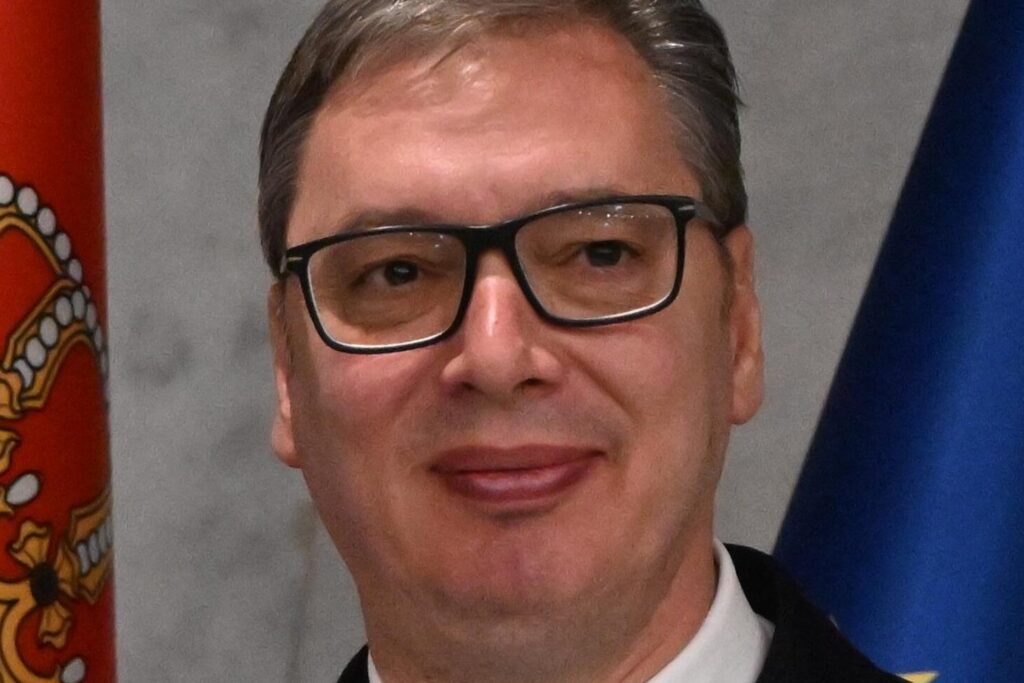
BELGRADE, October 26, 2026 — In a historic vote that reshaped the political map of the Balkans, Serbia’s student-backed opposition secured a decisive parliamentary majority, ending the decade-long dominance of the Serbian Progressive Party and opening a new chapter for the country’s European integration.
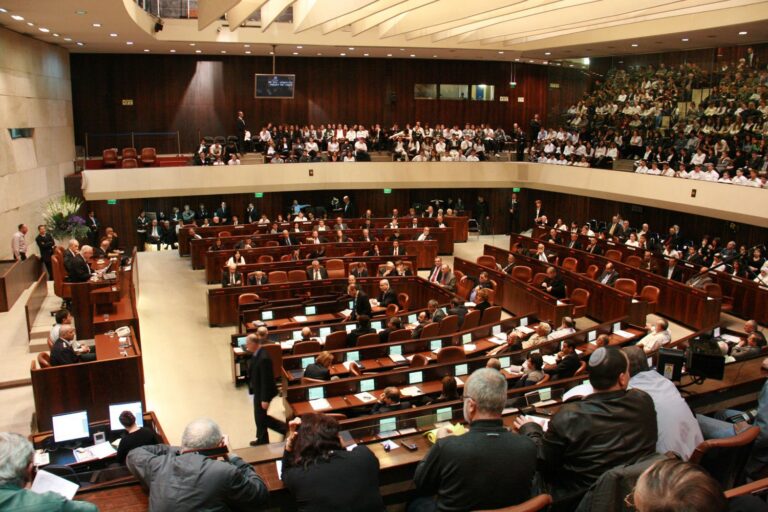
The Student List captured 53% of the vote, according to preliminary results, compared to 39% for the Serbian Progressive Party. The turnout of almost 69% mirrored the levels seen in 2000 that ended the rule of Slobodan Milošević. With 140 of 250 seats, the Student List achieved an outright majority, while the SNS won 104 seats and moved into opposition for the first time since 2012. Traditional opposition parties failed to cross the three-per-cent threshold, effectively disappearing from the legislature.
From Tragedy to Ballot Box
The student movement that powered this shift emerged from grief and anger following the Novi Sad railway station canopy collapse in November 2024, which killed 15 people. Organised through university plenums, where students decide collectively through direct voting, the protest evolved into a political force demanding accountability and the rule of law. Its 11-point programme prioritises judicial independence, anti-corruption measures, and transparency in public procurement. While the movement’s domestic demands are clear, its statements suggest continuity on foreign policy, describing Kosovo as an “inalienable and integral part of Serbia” and maintaining positions on Russia that limit immediate geopolitical swings.
Institutional Hurdles Ahead
The new government faces a complex task translating protest momentum into lasting reform. The ISS Europa commentary notes that the window for change may be narrow, given likely resistance from entrenched state institutions. Restoring trust in the judiciary and depoliticising public administration will be critical steps, particularly as the student list’s programme aligns closely with the reforms required for EU accession. However, the movement has provided little detail on foreign policy priorities, and significant shifts in Serbia’s position on Kosovo, sanctions against Russia, or ties with China appear unlikely in the near term.
EU Path and Regional Stability
With 75% of the Student List’s supporters favouring closer relations with the EU, the election result signals a potential strengthening of Belgrade’s partnership with Brussels. The ISS commentary suggests political change could ease regional tensions and create more favourable conditions for Montenegro’s own EU accession. Yet the outlet cautions against expecting an immediate geopolitical realignment. The new government’s commitment to democratic standards will be tested by its ability to implement domestic reforms despite institutional resistance.
A New Era for Serbia
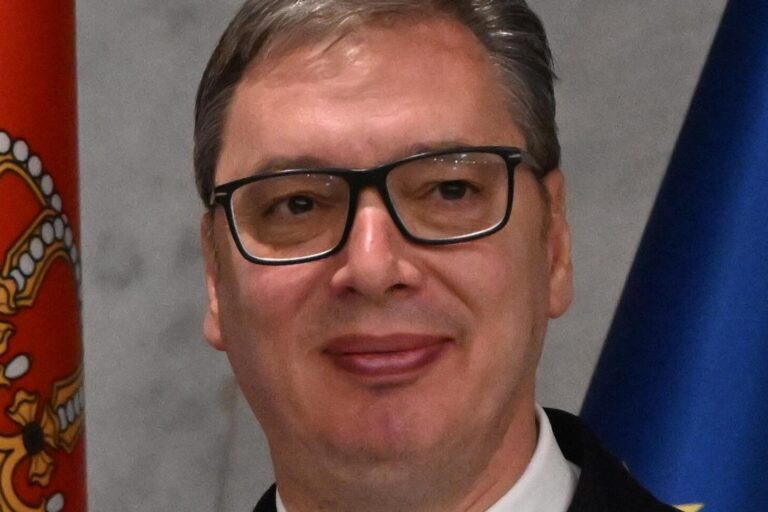
The defeat of the Serbian Progressive Party marks the end of a political era that began in 2012. Aleksandar Vučić, who resigned from the presidency in September hoping to return as prime minister, lost the parliamentary majority needed for that transition. As Serbia navigates this transition, the focus will remain on whether the student movement can sustain its parliamentary dominance and deliver on promises of a more transparent, accountable state. For communities across the Balkans and beyond, the vote represents a pivotal moment in the region’s democratic development.
International Reaction and Diplomatic Uncertainty
The international community has responded cautiously to the seismic shift in Belgrade. The European Union welcomed the vote as a “clear demand for change” and an opportunity to support Serbia’s democratic transition, though it stopped short of predicting an immediate geopolitical realignment. Meanwhile, Russia, a traditional Belgrade partner, expressed reservations about the student movement’s rise, noting that its platform’s emphasis on EU integration and judicial reform could strain existing ties. The United States also issued statements congratulating the opposition on their victory, highlighting the result as a testament to the resilience of civil society. However, analysts note that while the election outcome strengthens Serbia’s hand in Brussels, the new government’s ability to pivot away from Moscow or Beijing will depend less on rhetoric and more on the concrete steps it takes to overhaul domestic institutions.
Diplomatic sources indicate that several EU member states are preparing technical assistance packages aimed at strengthening judicial independence and anti-corruption bodies—key prerequisites for accession talks that have long been stalled. The ISS Europa commentary underscores that the window for reform may be narrow, given likely resistance from entrenched state institutions. Yet the same source cautions that significant shifts in Serbia’s position on Kosovo, sanctions against Russia, or strategic ties with China appear unlikely in the near term, suggesting that the country’s complex web of external relationships will persist despite the political turnover.
Student Movement’s Governance Blueprint
The student movement that propelled the Student List to victory has outlined a concrete governance framework rooted in its protest origins. According to the ISS Europa commentary, the group’s 11-point programme specifically targets the depoliticisation of public institutions, transparency in public procurement, and the restoration of judicial independence—reforms identified as critical prerequisites for EU accession talks. The movement’s organisational structure, based on university plenums where decisions are made through direct collective voting, represents a significant departure from traditional party hierarchies. This grassroots model was designed to bypass the “entrenched political networks” noted by the ISS as a primary barrier to reform, offering a mechanism for citizen participation that contrasts sharply with the centralized authority of the previous administration.
Furthermore, the student list’s platform places substantial emphasis on anti-corruption measures and media freedom, areas where the previous SNS government faced repeated criticism from international watchdogs. The ISS source specifies that the movement’s domestic agenda also encompasses education, economic development, housing, and healthcare, aiming to address broader societal grievances that fueled the initial protests following the Novi Sad railway station canopy collapse. While the movement has positioned itself as pro-EU—with 75% of its supporters favouring closer relations with the bloc—its stance on sensitive regional issues, such as the status of Kosovo, remains firm, describing the province as an “inalienable and integral part of Serbia” in a May 2026 memorandum, thereby maintaining continuity with previous official positions despite the electoral shift.
Sources
- Serbia after the vote: Back to fundamentals
- Political earthquake in Serbia: The end of the Vucic Era
- Vučić Has Lost Serbia’s Election. His System May Be Harder to Remove – https://eutoday.net
Photo: Oliver Bunic (CC BY 4.0)