The 2024 Super-Cycle and the Global Incumbent Backlash
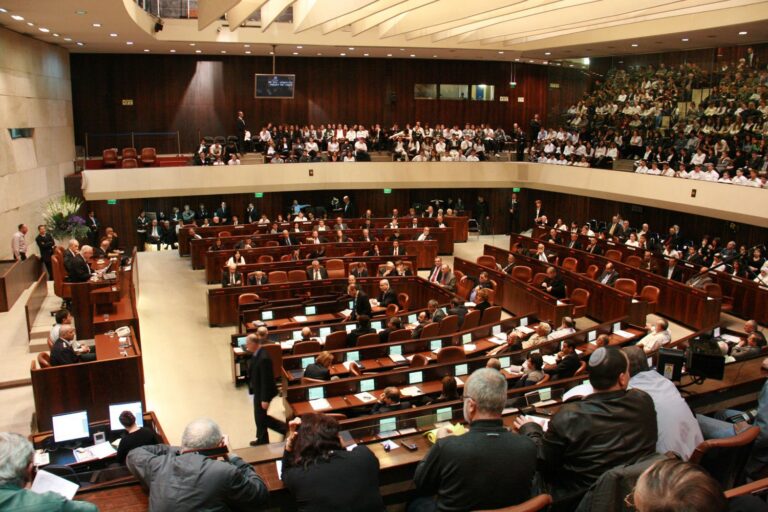
The year 2024 stands as a landmark in political history, defined by a massive wave of electoral activity that touched nearly half of the world’s population. Across 64 countries, approximately 4 billion voters were eligible to participate in national contests, including in eight of the ten most populous nations: Bangladesh, Brazil, India, Indonesia, Mexico, Pakistan, Russia, and the United States. This surge of activity was accompanied by a rare and widespread phenomenon: almost every incumbent party worldwide facing an election saw a decline in its vote share. According to data tracking global trends, this decline among incumbents is the first of its kind since records began in 1905 and represents a unique development in the history of universal suffrage.
For families and communities across the globe, this trend reflects a deep-seated dissatisfaction with rising inflation, persistent inequality, and the complexities of migration. As voters turned toward populist and anti-system alternatives, the traditional political order faced unprecedented pressure. In democracies specifically, over 80 percent of incumbent parties experienced a loss of support compared to their previous electoral outings. This widespread rejection of the status quo has created a new environment for governance, where the ability of leaders to maintain stable coalitions or implement long-term policy agendas is increasingly constrained by a restless electorate.
Coalition Constraints and Institutional Shifts in India and South Africa
In India, the world’s largest democracy, the 2024 election resulted in a significant recalibration of power. For the first time since 2014, the Bharatiya Janata Party (BJP) failed to secure an outright parliamentary majority, forcing Prime Minister Narendra Modi to rely on a coalition to govern. This shift represents a departure from the previous decade of single-party dominance and introduces new complexities into the legislative process. For the people of India, the change means that the central government must now navigate the competing interests of coalition partners, which alters the speed and direction of national policy.
A similar dynamic unfolded in South Africa, where the African National Congress (ANC) lost its absolute majority for the first time since the end of apartheid in 1994. The move toward a coalition government in the continent’s most industrialized economy marks a major transformation in the nation’s political life. These shifts in India and South Africa demonstrate how electoral outcomes are forcing established parties to share power, a development that impacts how these nations engage with the international community and manage their internal economic priorities.
Judicial Independence and Executive Power in Mexico
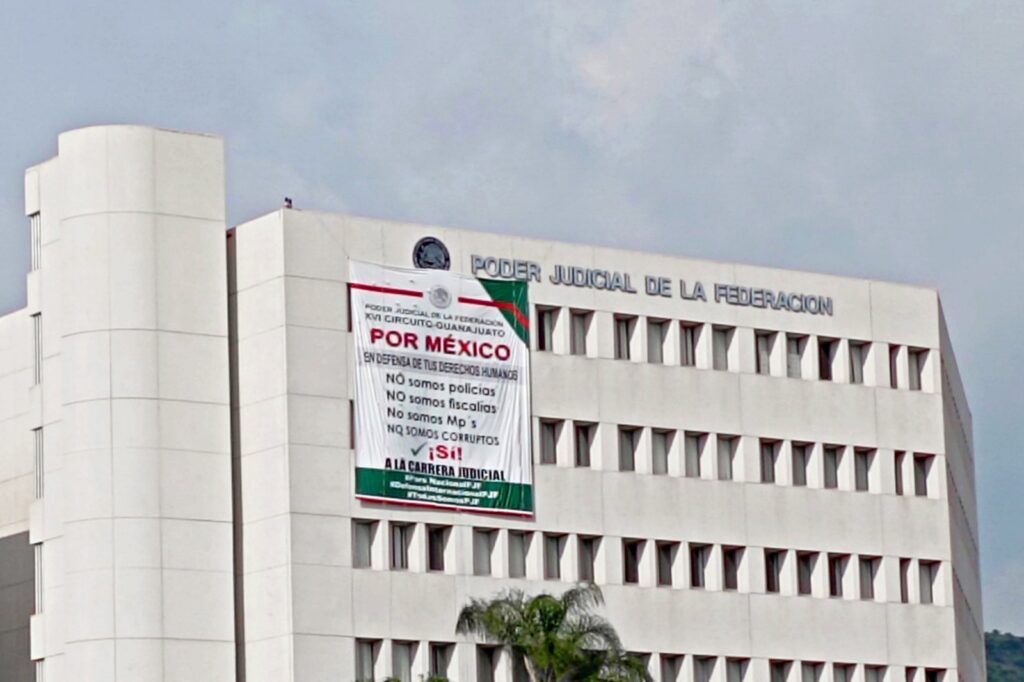
The risks to democratic norms were perhaps most visible in Mexico, where the ruling Morena party secured a supermajority in Congress. This legislative advantage has enabled the government to pursue sweeping constitutional reforms, most notably a controversial overhaul of the judiciary. Critics of the move argue that these changes undermine the independence of the court system, centralizing power within the executive branch and reducing the checks that typically balance state authority.
For many observers, the Mexican experience highlights the tension between electoral mandates and the preservation of institutional guardrails. While the Morena party holds a clear mandate from the voters, the resulting changes to the judiciary have raised concerns about the future of legal oversight in the country. Similar concerns regarding democratic backsliding emerged in Indonesia, where the victory of Prabowo Subianto, a former general with a controversial human rights record, has sparked debate about the trajectory of the world’s third-largest democracy. These cases serve as reminders that the health of a democracy depends not only on the act of voting but also on the strength of the institutions that remain after the ballots are counted.
Fragmentation and the Future of Multilateral Cooperation
The ripple effects of 2024’s political shifts extend far beyond national borders, complicating the ability of countries to cooperate on shared global challenges. In the European Union, elections for the European Parliament in June 2024 resulted in a surge for far-right and nationalist parties. This fragmentation has challenged the dominance of the pro-European centrist coalition, making it more difficult for the bloc to reach consensus on sensitive issues such as migration, climate policy, and support for Ukraine. When legislative bodies become more polarized, the capacity for coordinated international action often diminishes, leaving multilateral institutions to navigate a more divided environment.
The United States also faced a significant test of its institutional integrity during its 2024 presidential election. The process was marked by unprecedented challenges to electoral legitimacy, including the refusal of the losing candidate to concede and pressure applied to officials in an attempt to overturn results. Such events have consequences that reach deep into the international system, as the stability of the world’s largest economy and military power serves as a foundation for many global alliances. When the democratic process is subjected to such intense internal stress, the ripple effects are felt by allies and partners who rely on the predictability of American leadership.
These developments, combined with elections marred by allegations of rigging and the elimination of opposition—such as in Bangladesh, Pakistan, and Russia—paint a picture of a world where democratic norms are under constant negotiation. Whether through the rise of coalitions, the concentration of executive power, or the fragmentation of legislative bodies, the events of 2024 have reshaped the way nations interact. For citizens around the world, the focus remains on how these changes will affect their daily lives, the strength of their local institutions, and the reliability of the alliances that define the current international order. As these new governments settle into their roles, the challenge of maintaining democratic solidarity in an era of incumbent backlash and political polarization will continue to shape the global agenda.
Sources
- List of elections in 2024
- West Virginia 2024 Election Results — MultiState Elections
- Comparing Colorado’s 2026 early voting election turnout to 2022, 2024
Photo: Juan Carlos Fonseca Mata (CC BY-SA 4.0)