TEL AVIV, October 26, 2026 — Israeli Prime Minister Benjamin Netanyahu faces a historic electoral challenge on October 27 as polls indicate his governing coalition is set to lose its majority. Three years after the October 7 attacks, the Israeli electorate appears to be rejecting the security narrative that has defined Netanyahu’s long tenure in office.
A Nation at a Political Crossroads
For families across the region, elections in Israel often carry weight far beyond the country’s borders, influencing regional stability and the lives of those caught in ongoing conflicts. As Israel approaches the ballot box on Tuesday, the atmosphere is heavy with the memory of October 7, 2023. On that day, Hamas-led militants carried out the deadliest attack in the history of the state, resulting in the deaths of approximately 1,200 people and the abduction of 251 hostages. For many, this election is a direct reckoning with that trauma and the government’s response to it.
Benjamin Netanyahu, who has served as Israel’s longest-serving prime minister since 2022, is once again centering his campaign on his ability to provide security. According to Shmuel Rosner, an Israeli researcher and pollster, campaigning on this issue would have been impossible for Netanyahu in the immediate aftermath of the disaster. However, three years later, Netanyahu argues that he is the only leader with the experience and calculation required to help Israel rebound. He points to his actions in weakening the leadership and military capabilities of Hamas in Gaza, Hezbollah in Lebanon, and the military and nuclear infrastructure of Iran as evidence of his effectiveness.
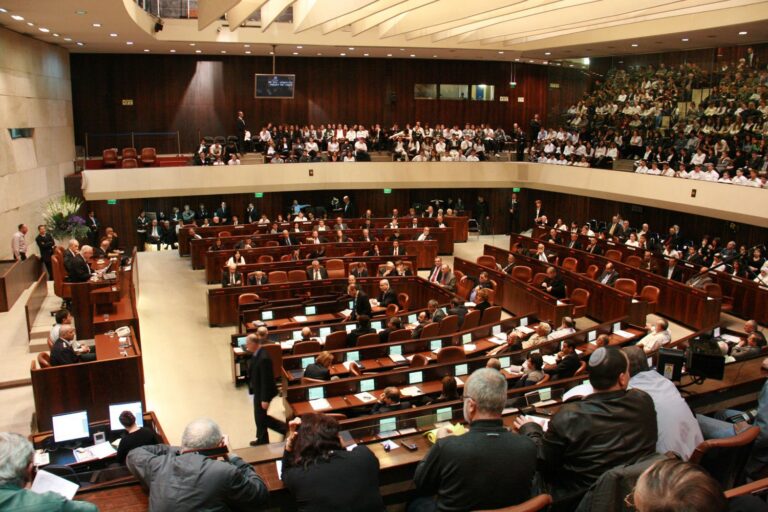
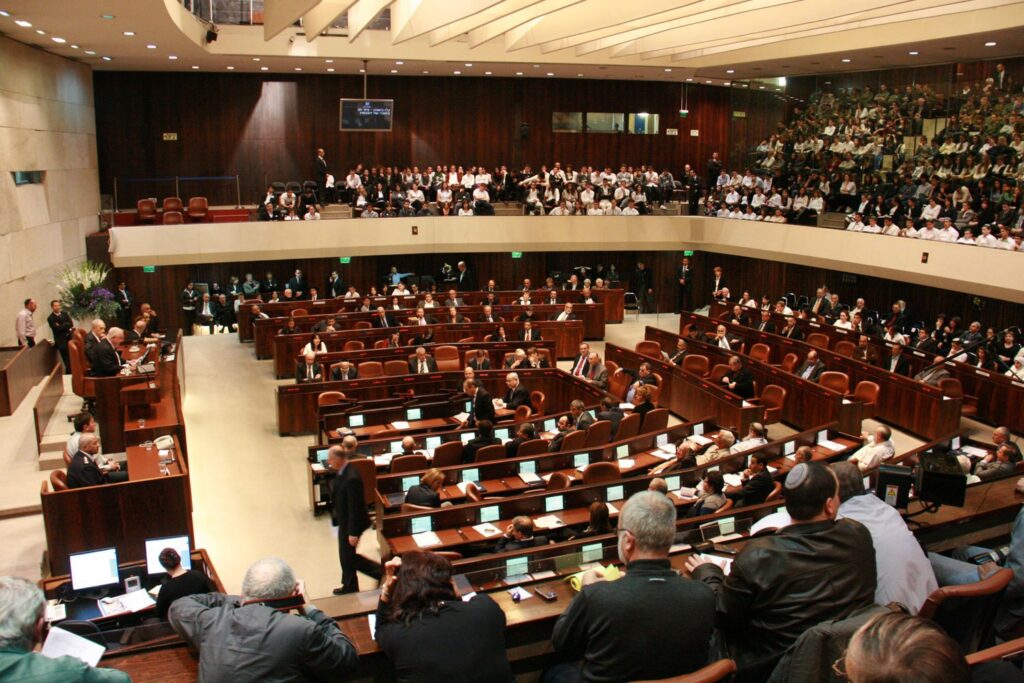
Despite these claims, the political reality for Netanyahu is increasingly precarious. According to data from Israel.com, which averaged nine polls published over the last two weeks, Netanyahu’s Likud party is currently polling at an average of 20.6 seats. In contrast, the Yashar Party, led by former Israel Defense Forces head Gadi Eisenkot, leads with an average of 22.1 seats. The outgoing coalition, which includes Likud, Religious Zionism-Zehut, Otzma Yehudit, Shas, and United Torah Judaism, currently holds only 50.2 seats. This total falls well short of the 61 seats required to form a government in the 120-seat Knesset.
The Weight of Security and Accountability
The question of how Netanyahu’s leadership has changed since October 7 is central to the current debate. Critics have leveled serious allegations against the prime minister, accusing him of allowing the military to become complacent and ignoring intelligence warnings provided by Egypt and the United Arab Emirates prior to the attacks. Furthermore, some opponents have accused him of deliberately bolstering Hamas in Gaza to undermine aspirations for Palestinian statehood. Netanyahu has consistently denied these allegations, resisting calls to accept personal responsibility for the security failures that occurred on his watch.
For many voters, the debate over security is deeply personal. Liran Harsgor, an expert on electoral behavior at the University of Haifa, notes that this election provides the first opportunity since 2023 for citizens to express their feelings about the government outside of street protests. She emphasizes that the outcome is not merely about which party receives the most votes, but about which leader can successfully assemble a coalition. Under Israel’s proportional representation system, if no bloc can secure a majority, a minority group could theoretically take power, adding another layer of uncertainty to the process.
The political landscape is crowded with other significant figures. Beyond the contest between Netanyahu and Eisenkot, the election features former prime ministers Naftali Bennett and Yair Lapid running on the joint B’Yachad ticket. Other prominent candidates include Yair Golan of the Democrats, Avigdor Lieberman of Yisrael Beiteinu, and representatives from two Arab party blocs. As these figures vie for influence, the impact on ordinary people remains a primary concern for those watching the developments from across the globe.
The Legacy of a Long-Serving Leader
Benjamin Netanyahu’s career has been defined by his ability to navigate Israel’s complex political environment. Born in Tel Aviv in 1949, he served in the Sayeret Matkal special forces before rising through the ranks of the Likud party. His political history is extensive, with previous terms as prime minister from 1996 to 1999 and 2009 to 2021. Throughout his time in office, he has been a polarizing figure, praised by supporters for his economic reforms and his role in brokering the Abraham Accords during the first presidency of Donald Trump, yet criticized for the expansion of settlements in the West Bank and concerns regarding democratic backsliding.
The years following 2022 have been particularly turbulent. Netanyahu’s government faced mass protests over proposed judicial reforms in 2023, followed by the immense strain of the war in Gaza and subsequent regional conflicts. His tenure has been marked by escalating tensions with Iran, including strikes in 2024 and 2025, and a 2026 campaign with the stated goal of regime change in Tehran. For his supporters, like Gideon Ariel of the Ma’ale Hever settlement, Netanyahu remains a necessary leader who should not be removed simply because an attack occurred on his watch. They often compare his situation to that of U.S. President Franklin D. Roosevelt during World War II.
As the country prepares for the vote on October 27, the future of Israel’s democratic institutions and its leadership remains the primary focus. The consensus among observers is that this is one of the most important elections in the history of the state. Whether the electorate chooses to maintain the current path or move toward the change proposed by Eisenkot and the Yashar Party will be determined by the final seat count in the Knesset. For now, the nation waits to see if the security narrative that once defined Netanyahu’s career will be enough to secure his political future.
Sources
- Israeli vote reckons with Oct. 7, Netanyahu, and future of Jewish state
- Benjamin Netanyahu
- Will Benjamin Netanyahu win Israel election? What polls show
Photo: איציק אדרי-Itzik Edri (CC BY 2.5)