
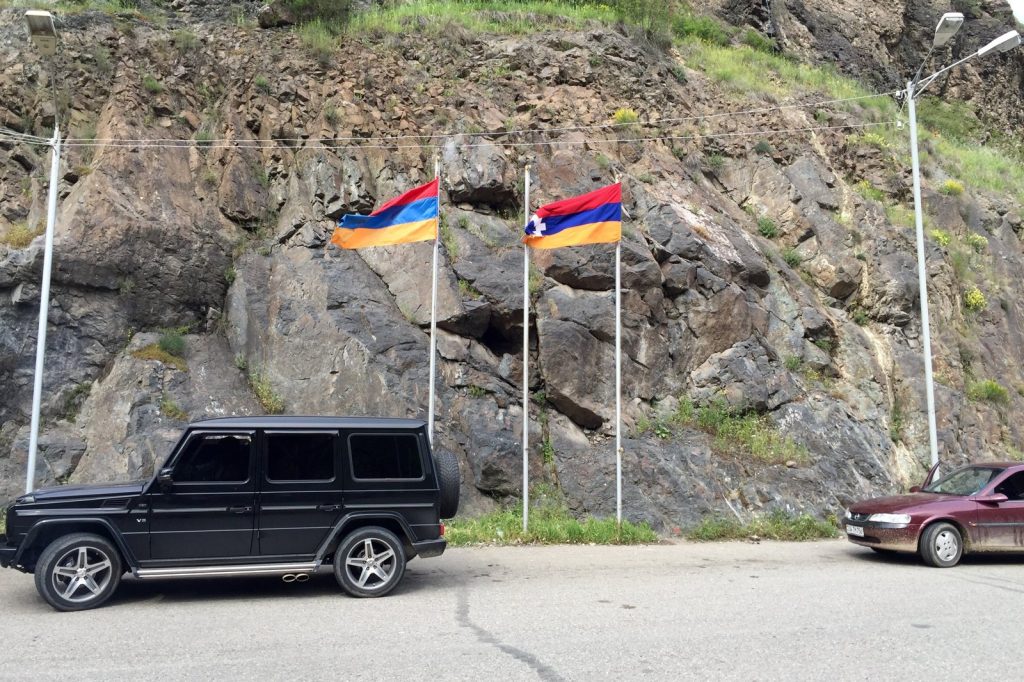
By the end of September 2023, the once‑thriving ethnic Armenian community in Nagorno‑Karabakh had virtually vanished. Official figures indicate that roughly 100,400 residents—about 99 % of the pre‑conflict population—had fled the region, leaving only a few dozen individuals behind.
The demographic collapse did not occur suddenly. For three decades, the territory, which is internationally recognised as part of Azerbaijan, was administered by ethnic Armenians following the first war of the 1990s. That status quo persisted until the 2020 Second Nagorno‑Karabakh War, when Azerbaijani forces recaptured extensive areas. The self‑declared Republic of Artsakh saw its population shrink, and those who remained were already exposed to heightened vulnerability.
After the 2020 hostilities, a nine‑month blockade was imposed on Nagorno‑Karabakh. The siege cut off essential supplies, creating a humanitarian crisis that was documented in regional reports. During this period, Azerbaijani officials publicly threatened ethnic cleansing, framing the blockade as a deliberate political maneuver rather than a natural disaster.
The situation escalated on 19 September 2023 when Azerbaijani forces launched a fresh military offensive. Within days, the de‑facto Artsakh authorities surrendered, its armed forces disbanded, and a large‑scale displacement began. While many fled toward Armenia, the journey proved deadly for a number of civilians.
According to the data released, 288 civilians lost their lives during the exodus. The deadliest incident was an explosion at a fuel‑distribution centre, which killed 218 people. An additional 70 individuals died on the road between their homes and the Armenian border. These casualties occurred outside of direct combat and were directly linked to the forced flight for safety.
Azerbaijan had previously issued statements pledging protection for the Armenian residents. Those assurances now appear unfulfilled, as the overwhelming majority of the community has been displaced and the few who remain receive no evident safeguards. International observers have described the forced displacement as a potential war crime, with some experts labeling it a crime against humanity. While the legal classifications differ, the core observation remains: a population was driven from its homeland through sustained military pressure and a prolonged siege.
The United States, as a major global actor, faces scrutiny over its response. The current administration has so far issued a measured reaction, prompting calls from the broader international community for a more decisive stance. Whether diplomatic pressure will translate into concrete measures remains uncertain.
This episode mirrors previous instances where disputed territories and ethnic minorities have been subjected to systematic expulsion under the guise of military objectives. The displaced Armenians now reside as refugees in Armenia, having abandoned homes, possessions, and a way of life that existed for generations.




