
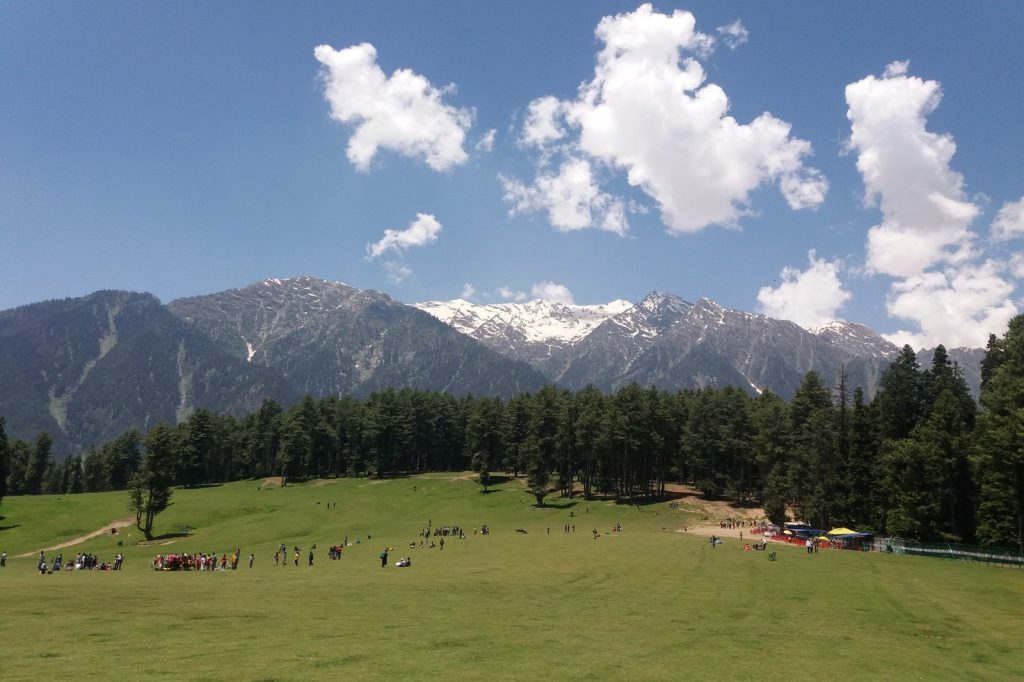
On April 22, 2025, militants launched an assault in the Baisaran Valley near Pahalgam in India’s Jammu and Kashmir, killing 26 civilians. The attack targeted tourists in the scenic area, which is a popular destination for visitors. Among the victims were Hindu tourists, one Christian tourist, and a local Muslim pony ride operator. The militants specifically singled out men during the attack, indicating a calculated effort to cause maximum casualties and instill fear.
The attackers used M4 carbines and AK-47 rifles, weapons that suggest a high degree of planning and sophistication. They infiltrated the valley through surrounding forests before carrying out the assault.
The brutality of the incident has drawn attention to the ongoing threat posed by militant groups in the region and the impact on civilian life and tourism. The Resistance Front (TRF), a proxy group for the Pakistan-based Lashkar-e-Taiba (LeT), initially claimed responsibility. LeT is designated as a terrorist organization by the United Nations.
In its statement, TRF said the attack was motivated by opposition to non-local settlement in Kashmir, linking it to the abolition of the region’s special status. TRF has previously claimed responsibility for multiple attacks in Indian-administered Kashmir, often targeting religious minorities.
This pattern suggests a deliberate strategy to intimidate specific communities and heighten sectarian tensions. After the initial claim, TRF later denied involvement, adding complexity to the investigation and raising questions about possible shifts in strategy or attempts to avoid accountability. The 2025 Pahalgam attack is the deadliest on civilians in India since the 2008 Mumbai attacks.
The scale of the violence underscores the need for enhanced security measures to protect both residents and tourists. The international community’s response is expected to be closely watched, with efforts to combat extremist groups likely to intensify.
Authorities are expected to focus on security operations and diplomatic initiatives to address the root causes of such attacks. The role of groups like TRF and their connections to larger terrorist networks will face increased scrutiny. Moving forward, a comprehensive approach involving military, diplomatic, social, and economic measures will be necessary to undermine extremist ideologies and support affected communities.
The incident highlights the complex interplay of terrorism, politics, and human rights in Jammu and Kashmir, requiring coordinated action from regional and international stakeholders to prevent future tragedies.




