
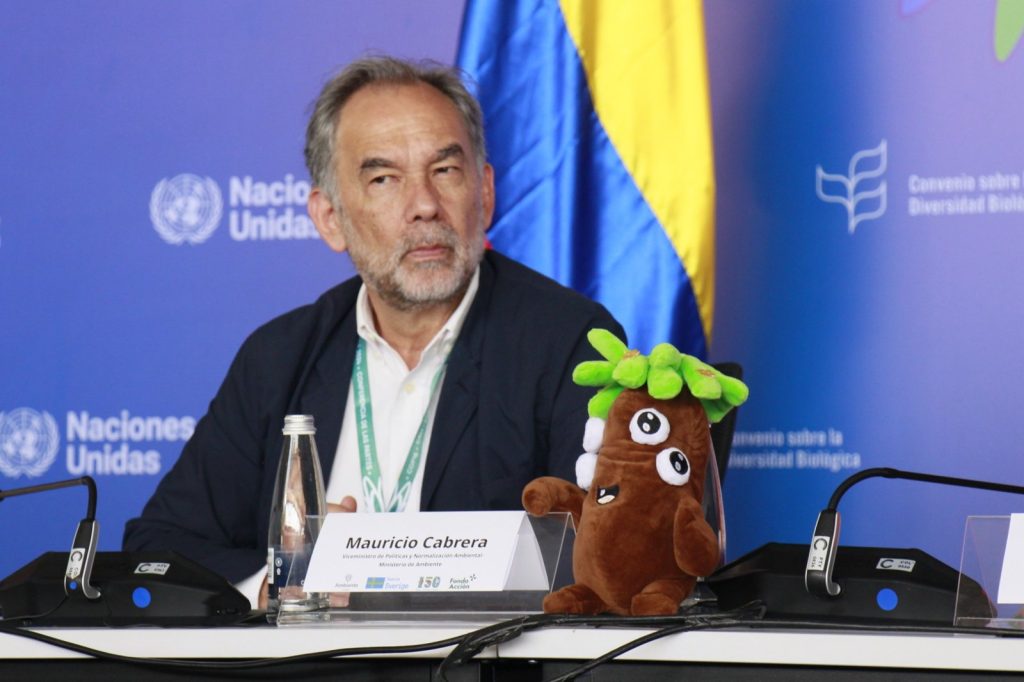
Delegates at COP16 in Cali, Colombia, argued through Friday night and into Saturday morning. A little before 8:30, a quorum check showed too many developing-country negotiators had left to catch flights home. The session was over, with the biggest question of the summit still open.
That question was money. The conference, held from 21 October to 1 November 2024, was the first biodiversity summit since nations signed the Kunming-Montreal Global Biodiversity Framework in 2022. Target 19 of that framework asks for 200 billion dollars per year by 2030 for conservation, and nobody in Cali could agree on a way to raise it.
The fight over a new fund
Countries of the Global South wanted a new international biodiversity fund. They had complaints about how the Global Environment Facility runs the Global Biodiversity Framework Fund and who can reach it. Several northern countries replied that new bodies would be costly and slow to build, and that mechanisms already exist.
The talks stalled. Only $163 million in new contributions reached the existing fund, bringing its total endowment to $400 million, according to the Coalition internationale corridors de biodiversité en Afrique. Discussion of the new fund will resume when COP16 reconvenes in Rome, with sessions set for 25 to 27 February 2025.
Oscar Soria of the Common Initiative blamed weak leadership from richer countries, naming the EU, France, Canada, Switzerland, Japan, the UK and China. Lim Li Ching of the Third World Network was sharper: “The [global] north gets to keep the status quo. The [global south] gets a process.”
What was agreed
Some things did get done. Negotiators agreed on the “Cali Fund,” which will take voluntary payments from companies that profit from digitized genetic data, such as sequences of plants used for cosmetics and drugs. The money is meant to flow back to countries of origin, split equally between governments and the Indigenous peoples and local communities that preserved the resources. India’s last-minute text changes to protect sovereign rights helped clear the way, Carbon Brief reported.
Delegates also created a permanent body for Indigenous peoples, giving them a direct voice at biodiversity COPs for the first time. Countries agreed as well to align national biodiversity and climate policies and to set up collaboration between the biodiversity convention and the UN climate framework.
Plans still missing
The weaker spot was national plans. Countries were meant to deliver updated biodiversity strategies and action plans by the start of COP16. By the end, 44 of the 196 parties, or 22%, had done so, and 119 had filed national targets. A joint investigation by Carbon Brief and the Guardian had found just before the opening that 170 of 196 parties were set to miss the deadline, including 12 of the 17 megadiverse countries. Brazil and Colombia said the time given was too short to consult stakeholders and Indigenous groups. India cited trouble translating targets locally. The UK pointed to changes of government.
The final text only “urges” countries to publish plans “as soon as possible.” Bernadette Fischler Hooper of WWF had wanted a firm deadline. “Generally, having a clear deadline is good to keep countries to account,” she told Carbon Brief.
The framework for monitoring progress also went unfinished and goes back to the Rome session. The next full COP is scheduled for Armenia in 2026.
Sources
- COP16 in Cali: Progress, Challenges and Prospects for Biodiversity and Ecological Connectivity – Coalition internationale corridors de biodiversité en Afrique
- COP16: Key outcomes agreed at the UN biodiversity conference in Cali, Colombia – Carbon Brief
- 2024 United Nations Biodiversity Conference




