
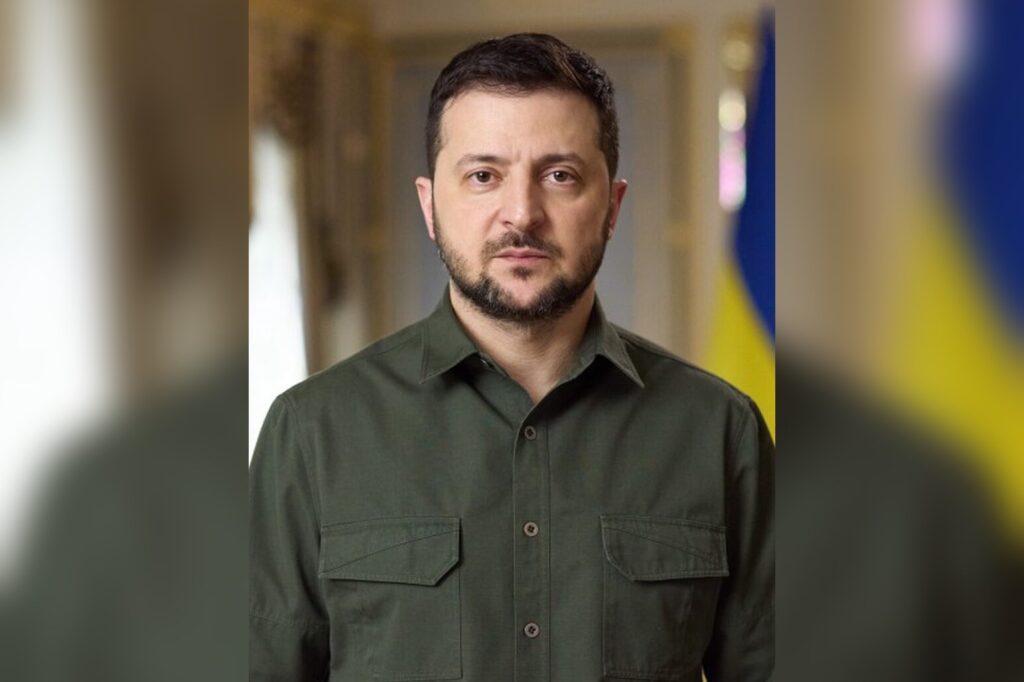
International mediators pressing for a negotiated settlement in the Russia-Ukraine war have encountered a firm red line from President Volodymyr Zelenskyy: no exchange of Russian energy supplies for Ukrainian territory. The position, articulated by the Ukrainian leader during a March 28 press conference, rejects any deal that would trade relief from fuel shortages for lands under Russian control. “We don’t want Russia without fuel, we want Ukraine without war,” Zelenskyy said that day, a statement that crystallizes a strategic pivot diplomats are still working to fully assess.
The clear refusal came as mediators renewed behind-the-scenes efforts, though the specific terms of any proposed arrangement remain opaque. What is unmistakable is that Zelenskyy has locked in a non-negotiable position: peace must restore Ukraine’s 1991 borders, including the Crimean Peninsula, which Russia annexed in 2014.
Territorial Integrity as the Immovable Centerpiece
Ukraine declared independence from the Soviet Union in 1991 and immediately defined itself as a neutral state. The borders drawn at that time have become the fundamental reference point for Zelenskyy’s negotiating posture. Russia’s unilateral occupation and annexation of Crimea in 2014, following mass demonstrations in Kyiv that toppled a pro-Russian government, opened a years-long conflict in eastern Ukraine before the full-scale invasion began on February 24, 2022.
The refusal to trade land for access to Russian energy is significant because it establishes territorial integrity, not fuel supply flows, as the government’s defining term for any settlement. Russia has historically wielded its energy exports as a political weapon, and Zelenskyy’s position signals that he views the recovery of occupied land, not relief from energy dependence, as the ultimate prize.
The mediators now face a tough challenge: negotiating a war-weary population, a president with a clear mandate, and a conflict showing no sign of resolution. The coming months will test whether international pressure can shift Zelenskyy’s stance or whether the 1991-border demand remains the immovable centerpiece of Ukraine’s negotiating strategy.
Domestic Support and Political Context
Zelenskyy took office on a strong electoral mandate as Ukraine’s sixth president in April 2019, five years after Crimea was annexed. Born on January 25, 1978, he entered politics from a career as a television entertainer, winning the presidency that year. Multiple polls conducted since the full-scale invasion show strong opposition among Ukrainian citizens to any territorial concessions, including in the east and Crimea.
That data aligns with the government’s stated line and with the political reality Zelenskyy has navigated since taking office. The war’s toll has been enormous: tens of thousands of casualties on both sides and millions of people displaced from their homes.
Yet Zelenskyy has secured billions of dollars in Western military and financial aid, keeping Ukraine’s economy and defense apparatus operational through more than four years of sustained warfare. The diplomatic track remains in motion, but the president’s red line suggests that any future talks will hinge on territorial integrity rather than energy barter. For now, the trend is clear: no deals on territory, no trade-offs on sovereignty. The mediators have a difficult road ahead as they confront a leader unwilling to bargain away the land that Ukraine claimed at independence in 1991.
{“@context”: “https://schema.org”, “@type”: “NewsArticle”, “headline”: “Zelenskyy refuses to trade energy relief for Ukrainian territory”, “description”: “KYIV, July 15 — International mediators pressing for a negotiated settlement in the Russia-Ukraine war have encountered a firm red line from President Volodymyr Zelenskyy:…”, “datePublished”: “2026-07-15T09:30:00+00:00”, “author”: {“@type”: “Person”, “name”: “Beatrice Bianchi”}, “publisher”: {“@type”: “Organization”, “name”: “InfoPulse Today”, “url”: “https://newsfeed.2bme.xyz/”}}




