
MANILA, June 24 — A novel written two decades ago has returned to the top of survival reading lists, as families across Asia and beyond reckon with the fragility of the power grids, water systems, and digital networks that underpin daily life. William R. Forstchen’s “One Second After,” a post-apocalyptic story about an electromagnetic pulse attack on the United States, is being re-examined as a practical guide for ordinary communities facing the threat of sudden, total infrastructure collapse.
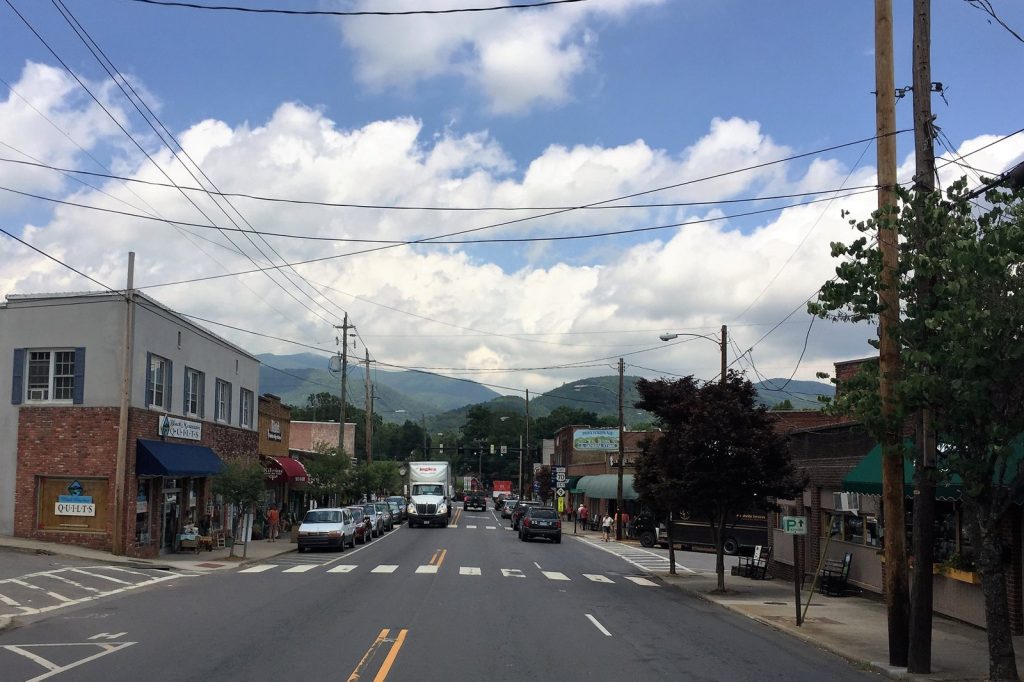
The book depicts the swift unraveling of a small North Carolina town, Black Mountain, after a high-altitude EMP disables every car, plane, and medical device. Society does not fall slowly; it collapses in an instant.
For families in densely populated Asian cities, where millions rely on just-in-time delivery of food and medicine, the scenario hits close to home. What happens when the elevators stop, the water pumps go silent, and the pharmacy cannot open its doors? A real-world warning came in 2022, when a power outage struck Moore County, North Carolina.
That incident, caused by localized sabotage, led to fatalities and widespread infrastructure chaos. For experts like the writer known as The Survival Mom, this event is more instructive than a hypothetical EMP attack.
It shows that a deliberate, small-scale attack on a substation can cripple a community just as effectively as a weapon from the sky. The Survival Mom urges practical steps that any household can take: solar generators, food preservation skills, physical fitness, and reliance on non-electronic resources. She warns that globalist agendas are leveraging digital ID systems and AI surveillance, which she describes as part of a depopulation agenda.
Her advice, however, is grounded in immediate action: secure backup power, build community resilience, and protect sensitive electronics inside Faraday cages. The film adaptation of “One Second After” is now in development, and its impending release has reignited conversations about EMP threats. But closer to home, the lesson for communities across the Philippines and the wider region is the same.
A single point of failure — a downed transmission line, a sabotaged transformer, a cyberattack on a grid control centre — could leave millions without power for weeks. Forstchen’s novel remains a survival blueprint, but the threat is no longer speculative.
The question for families today is not whether the grid will fail, but whether they will be ready when it does.




