
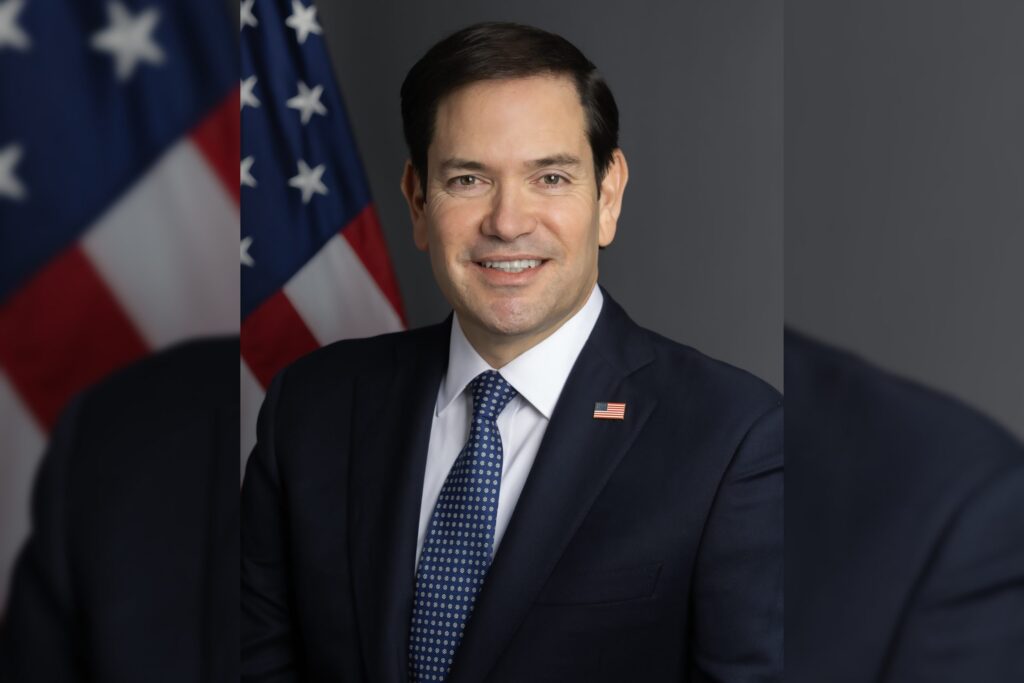
WASHINGTON, July 12 — The executive order signed on March 22, 2025, has handed Secretary of State Marco Rubio a broad toolkit for reshaping US policy toward Venezuela, but the technical reality of the situation on the ground suggests the administration’s options are constrained by the Maduro regime’s military grip. Under the hood, the order authorises several distinct lines of action. Rubio could impose new sanctions on Venezuelan officials, revoke existing licenses for oil companies like Chevron, or increase pressure on Maduro’s allies in Cuba and Nicaragua.
The order also permits direct negotiations with opposition leaders, including Juan Guaidó, who remains recognised by the US. If Maduro steps down, the order allows Washington to recognise a new interim government.
The detail that matters here is the military calculus. Maduro’s control of the armed forces, estimated at 130,000 active personnel, makes a quick transition unlikely. That is not a small number, and it represents a significant obstacle to any diplomatic solution that depends on Maduro voluntarily relinquishing power.
Legal and political headwinds
The order is expected to face legal challenges from US oil companies, which have $3 billion in assets in Venezuela. The legal fight could tie up implementation for months, as ever with these kinds of executive actions. Congressional Democrats, including Senator Bob Menendez, have criticised the order as an overreach of executive power.
The political opposition matters because the order could be reversed by a future president or by Congress through a joint resolution, as The New York Times reported on March 23, 2025. Juan Guaidó’s continued recognition by the US is a detail that carries weight.
The US legal framework still treats him as the legitimate authority. The executive order gives Rubio the ability to negotiate directly with Guaidó, which could open a channel for a coordinated transition plan — assuming Maduro’s military hold can be broken. One wry observation: the order’s provisions for recognising a new interim government assume a scenario — Maduro stepping down — that the military numbers suggest is not imminent.
The administration is preparing for a contingency that may not materialise without a significant shift in Caracas’s power dynamics.
What to watch next
The immediate question is whether Rubio will act on the sanctions authority, revoke the Chevron license, or move first on the Cuba-Nicaragua pressure track. Each option carries different legal and diplomatic risks. The oil companies’ $3 billion in assets give them substantial leverage in any legal challenge, and the congressional opposition means the order could become a political liability if it drags into the 2026 midterm cycle.
For now, the executive order remains a statement of intent rather than a completed policy. The technical reality is that the US has the legal authority to act, but the practical constraints — military, legal, and political — are as real as the 130,000 troops Maduro commands.




