
CARACAS, July 12 — The technical reality of Venezuela’s economic collapse is now entering a new phase, one shaped by the mechanics of sanctions enforcement rather than the crude drama of hyperinflation. The United States has established a new sanctions authority targeting the Maduro government, and under the hood, this matters because it directly constrains the country’s ability to export oil and import goods.
The detail that matters is that this is not a symbolic gesture; it is a lever designed to apply sustained pressure on a system already running on fumes. The numbers that define Venezuela’s decline are stark, and they belong to the record.
According to the International Monetary Fund, the country’s GDP contracted by over 80% from 2013 to 2024. Hyperinflation peaked at 1,000,000% in 2018, and as of 2024, inflation remained above 400%. The state oil company PDVSA, once the engine of the economy, has been hollowed out by mismanagement, corruption and sanctions.
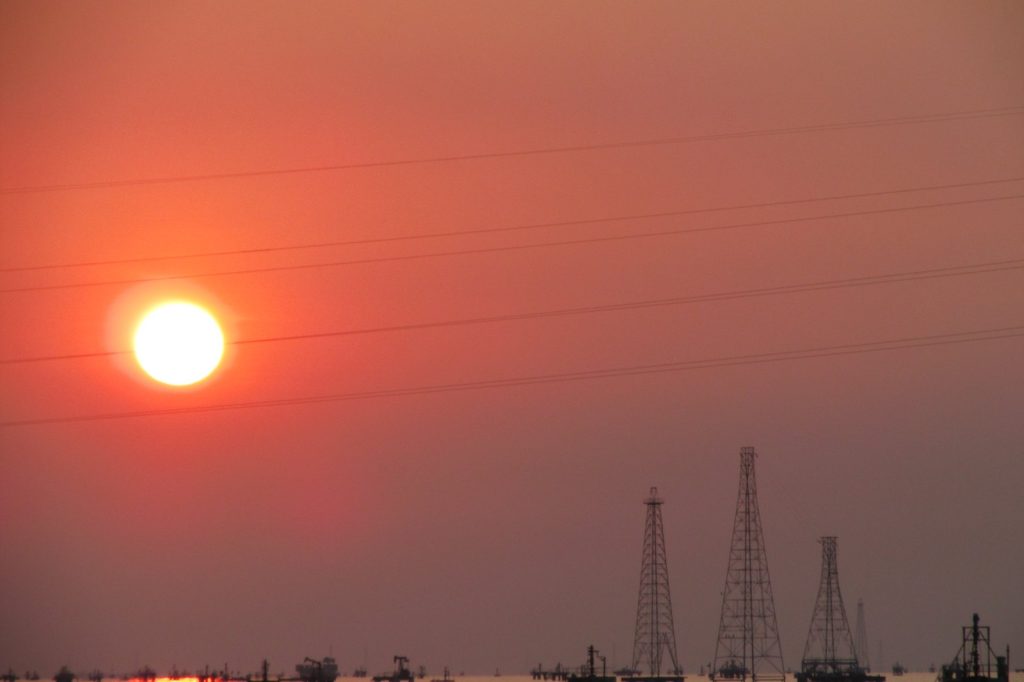
OPEC data shows oil production fell from 3.2 million barrels per day in 2008 to under 400,000 barrels per day by 2024. That is not a production decline; it is an industrial collapse.
The humanitarian consequences are measurable. The United Nations estimated in 2024 that 7.7 million Venezuelans have fled the country since 2015, placing this among the largest displacement crises in the world. Shortages of food, medicine and electricity have become chronic.
The US has provided over $3.5 billion in humanitarian aid since 2017. The new sanctions authority is expected to worsen the situation by further restricting Venezuela’s ability to sell oil abroad and bring in essential goods. The Maduro government, as ever, has relied on external support from Russia, China and Cuba.
These relationships have provided a financial and political lifeline, but they have not reversed the underlying trajectory. The technical reality is that Venezuela’s economy remains structurally dependent on oil revenue, and that revenue stream has been reduced to a trickle.
What to watch next is whether the new sanctions authority will be enforced aggressively, and how the Maduro government responds. The mechanics of sanctions are not instantaneous; they work through logistics, shipping insurance, banking compliance and the willingness of third countries to risk secondary penalties. The detail that matters is that the US has shown it is willing to use these tools, and the Venezuelan state has shown it has few remaining buffers.
The humanitarian situation, already severe, will be the variable that determines whether this becomes a crisis of displacement or something worse.




