
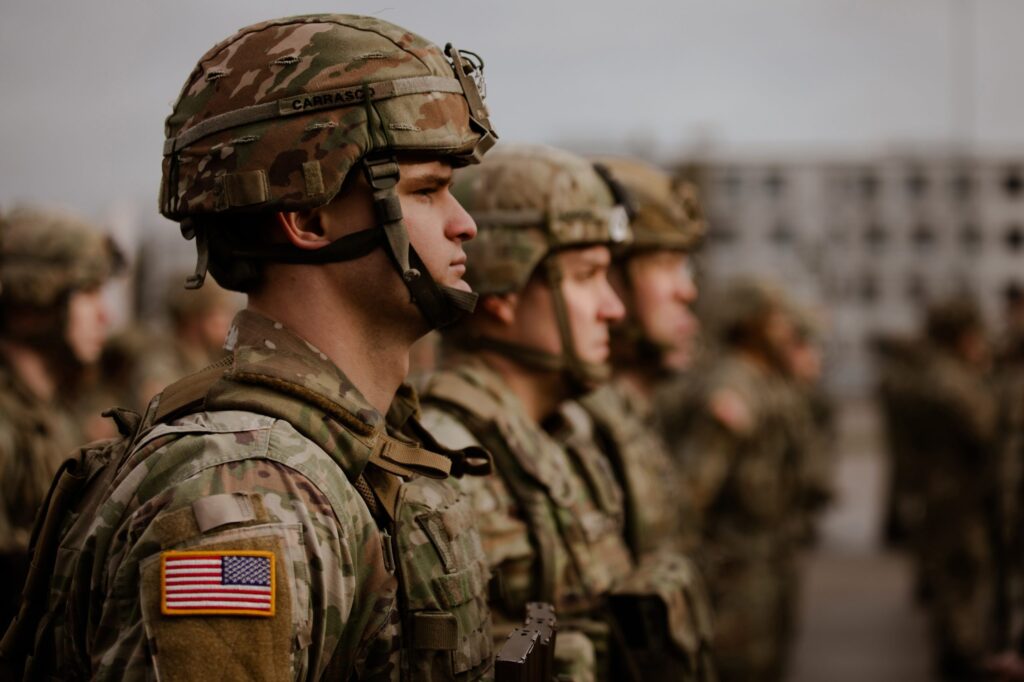
TALLINN, July 6 — The withdrawal of United States troops from the Baltic security framework is shifting greater responsibility onto the United Kingdom-led NATO battlegroup in Estonia and the host nation’s own defense forces, according to officials monitoring the regional posture. The United States has been the primary extra-European contributor to Baltic defense, providing air policing, rotational ground forces, and naval assets. The record shows that Washington’s drawdown alters a longstanding arrangement in which American forces formed the backbone of deterrence against potential aggression.
The change places more weight on the NATO enhanced Forward Presence battlegroup currently commanded by the United Kingdom. Estonia, as a host nation, maintains a conscription-based army of about 6,000 active personnel and a reserve of over 200,000.
Those numbers, officials confirmed, represent the core of the country’s ability to respond to any conventional threat. The UK deploys around 1,000 troops on a permanent rotational basis as part of the eFP battlegroup. France has contributed armored units, and Denmark provides infantry support to the multinational force.
NATO’s Supreme Allied Commander Europe, currently a U.S. general, oversees the overall deterrence posture across the alliance’s eastern flank. The command structure itself remains unchanged, but the composition of forces on the ground is being recalibrated, the source material shows.
The Baltic security framework involves multiple key players beyond the United States. The UK-led battlegroup now carries a heavier share of the forward defense mission. French armored units and Danish infantry remain in place, but the reduction of American rotational presence creates a gap that alliance planners must address.
The strategic context is clear. For years, Washington provided the largest single extra-European contribution to Baltic defense. Air policing missions, naval patrols, and ground rotations all bore the U.S. imprint.
With those assets pulled back, the remaining contributors must decide whether to increase their own deployments or rely more heavily on Estonian reserve forces. Estonia’s reserve of over 200,000 personnel represents a significant mobilization capacity, but activating that force would require time and political will.
The active army of about 6,000 cannot sustain prolonged operations without reinforcement. What to watch next: NATO allies are expected to review burden-sharing commitments at upcoming command meetings. The UK may face pressure to expand its rotational deployment beyond the current 1,000 troops.
France and Denmark could also be asked to increase their contributions. The alliance’s deterrence posture in the Baltics, long anchored by American presence, is entering a period of adjustment without clear guarantees of replacement forces.




