
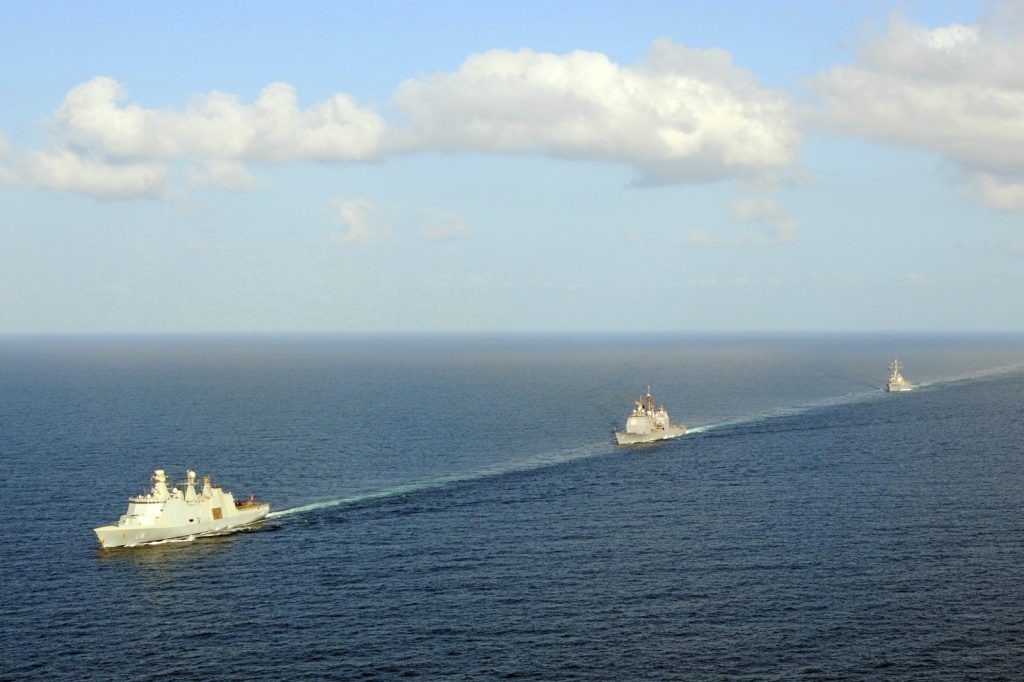
On January 17, 2024, the United States Central Command conducted a series of military strikes in Yemen, resulting in the destruction of 14 anti-ship missiles. According to the command, these weapons were in the final stages of preparation for launch against merchant vessels and U.S. Navy ships operating in the region. The operation underscores the Pentagon’s ongoing commitment to safeguarding maritime traffic and protecting American assets in strategically vital waterways.
The U.S. Central Command, established in 1983, is one of eleven unified combatant commands under the U.S. Department of Defense. Its area of responsibility encompasses the Middle East, Central Asia, and parts of South Asia—a region that has been a focal point of American military engagement for decades.
Historical Context of Regional Operations
The command has played a central role in major military campaigns, including Operation Desert Storm during the 1991 Persian Gulf War, the war in Afghanistan, and the Iraq War from 2003 to 2011. In recent years, U.S. forces under this command have been primarily deployed in Afghanistan as part of Operation Enduring Freedom, focusing on disrupting and defeating terrorist organizations.
The destruction of the anti-ship missiles represents a significant action in ongoing efforts to secure regional waterways. The missiles posed a direct threat not only to commercial shipping but also to American naval personnel. The U.S. Central Command stated that the strike was necessary to counter this threat and ensure the free flow of commerce through the region—a critical concern given the global economy’s reliance on safe passage through Middle Eastern sea lanes.
Broader Security Challenges
The command’s area of responsibility includes countries that have been sources of regional instability, notably Iran, which has been accused of supporting terrorist organizations and engaging in destabilizing activities. U.S. forces have also monitored extremist groups such as al-Qaeda and the Islamic State.
Officials described the missile destruction as a blow to these hostile actors and a demonstration of the command’s determination to disrupt their operations. Looking forward, the U.S. Central Command is expected to maintain a significant presence in Afghanistan and other parts of the region. Its mission will continue to focus on countering terrorist organizations and limiting the influence of adversarial states like Iran.
This involves training and equipping local forces, providing intelligence and logistical support, and conducting joint operations with regional partners to enhance their capacity to address security threats. As the security landscape evolves, the command intends to remain vigilant and adaptable, working to stay ahead of emerging dangers.
The strike in Yemen is part of a broader strategy to promote stability in the Middle East and Central Asia, with the U.S. Central Command positioned to play a leading role in shaping the region’s future security environment.




