
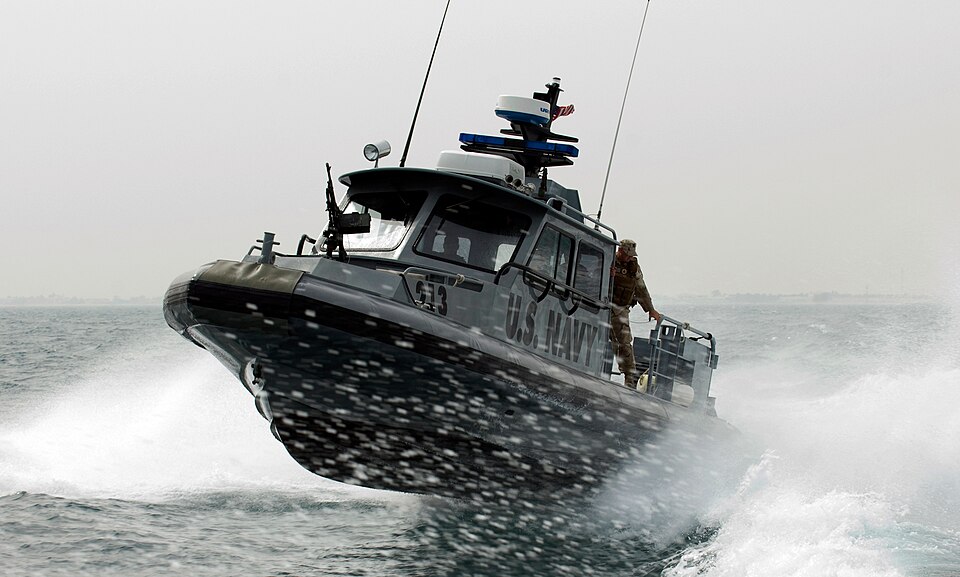
Explosions hit the island of Qeshm and the port city of Sirik early Tuesday, when American fighter jets struck 80 Iranian targets around the Strait of Hormuz, according to a July 8 report from Kenya’s Streamline Feed.
US Central Command forces went after coastal radar installations, command nodes and swift-boat depots along the Iranian coast, the report said. It likened the operation to Operation Praying Mantis in April 1988, when the US Navy hit Iranian maritime infrastructure after a mine struck the USS Samuel B. Roberts. Military analysts quoted in the piece said munitions are far more precise now, but the aim is the same: to cut Tehran’s ability to harass shipping at the chokepoint.
Prices and freight
The market reaction came within hours. Per the report:
- Brent crude futures jumped past USD 85 per barrel.
- Vessel transit costs through the strait rose an estimated 45 percent within six hours of the first bombardment.
- Major shipping companies began routing cargo around the Cape of Good Hope, adding roughly three weeks to transit times.
War-risk insurance premiums also climbed, the report said, citing Lloyd’s of London data that shows the same kind of spike seen in the Tanker War nearly four decades ago.
Iran answers
Iran’s Islamic Revolutionary Guard Corps responded quickly. Intelligence reports confirm, the article said, that Tehran targeted locations hosting US forces in neighboring Bahrain and Kuwait. The Khatam al-Anbiya Central Headquarters warned that Iranian forces would deliver a crushing response and would not let American interference in Iran’s management of the strait stand.
Bills in Kenya and Nigeria
Streamline Feed wrote for an African audience, and most of its detail concerns fuel. Kenya’s Energy and Petroleum Regulatory Authority currently caps pump prices in Nairobi at KES 217 per litre. Kenya imports 92 percent of its refined petroleum products, the report said, so higher shipping costs would reach consumers and could push up the price of basic food and public transport across the East African Community. The Port of Mombasa and the Apapa port in Lagos are both exposed.
Economists at the Kenya National Bureau of Statistics warn that a long disruption in the strait could widen the country’s import cover gap and put fresh downward pressure on the shilling. The Central Bank of Kenya is watching its foreign exchange reserves, which react sharply to jumps in dollar-denominated oil imports. In Nigeria, the NNPC faces a harder choice on domestic fuel subsidies while crude prices rise, and for investors watching the Central Bank of Nigeria’s reserves, the report said, higher crude revenue comes paired with costlier imports.




