
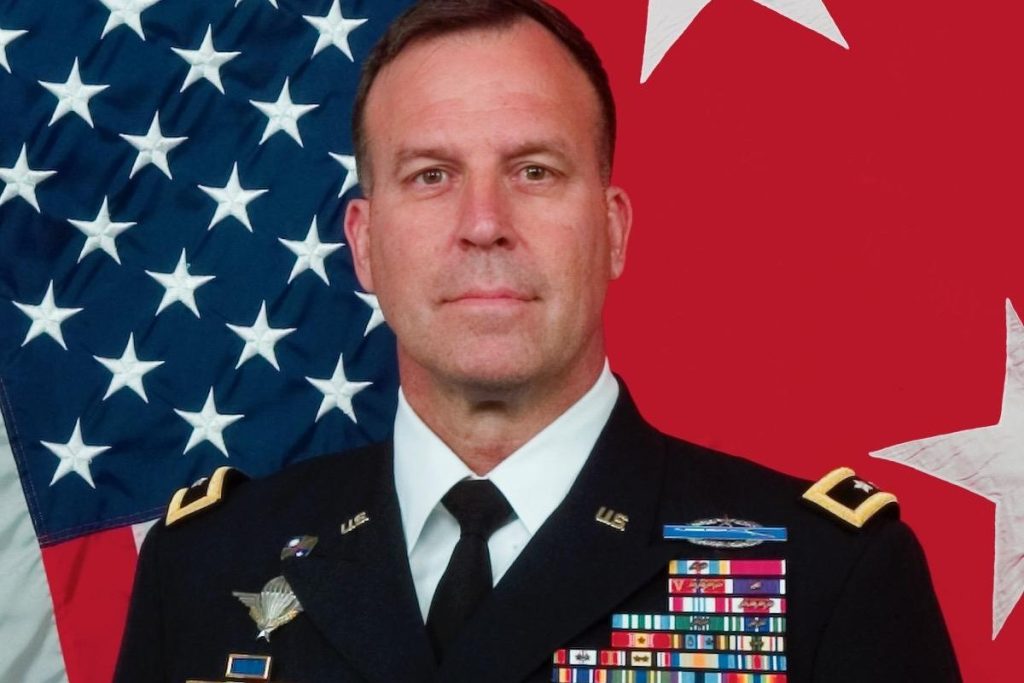
The United States military conducted operations on May 26, 2026, resulting in the interception of four Iranian drones and a strike on an Iranian drone station located in Bandar Abbas, Hormozgan province. General Michael Kurilla, who commands U.S. Central Command, stated that these actions were a direct response to the escalating threat posed by Iranian unmanned aerial vehicles (UAVs) within the region.
Despite these military actions, the U.S. has confirmed that the existing ceasefire remains in effect. Officials characterize the operation as a measured step aimed specifically at countering the growing danger from drone activity, rather than an escalation of broader hostilities.
Iran’s pursuit of drone technology has a long history, beginning in the mid-1980s. The country’s first-generation Ababil drone saw deployment during the Iran–Iraq War, where it was used primarily as an attack munition rather than for intelligence, surveillance, or reconnaissance missions. Since that time, Iran has developed more sophisticated systems, including the Shahed series. These drones have been utilized by Russian forces in the Russo-Ukrainian war and by Iranian forces during the 2026 Iran war.
U.S. Secretary of Defense Lloyd Austin has pointed to the development and spread of Iranian drones as a major threat to regional stability and security. He has stressed the importance of ongoing collaboration with allies and partners to address this challenge. The U.S. has been coordinating with organizations such as NATO, AUKUS, and the Quad to devise strategies and technologies aimed at countering hostile drones from Iran and other sources.
By December 2025, the U.S. military announced it had developed the LUCAS drone, a reverse-engineered clone of the Shahed 136. A squadron of these LUCAS drones has already been deployed in the Middle East, signaling the U.S. commitment to countering the Iranian drone threat. Similarly, Ukrainian forces have created their own versions of the Shahed-136, which have been used for long-range strikes since 2025.
General Kurilla has underscored the necessity of international cooperation in this domain, calling for shared intelligence and coordinated responses to counter hostile actors. The U.S. is working with allies to develop and implement effective countermeasures, including advanced systems for drone detection and interception.
Admiral John Aquilino, commander of U.S. Indo-Pacific Command, has stated that the U.S. will continue to collaborate closely with allies and partners to ensure regional security. While significant progress has been made in countering the Iranian drone threat, officials acknowledge that the situation remains complex and dynamic. General Kurilla noted that the U.S. will keep monitoring developments closely and respond as needed to protect regional stability.




