
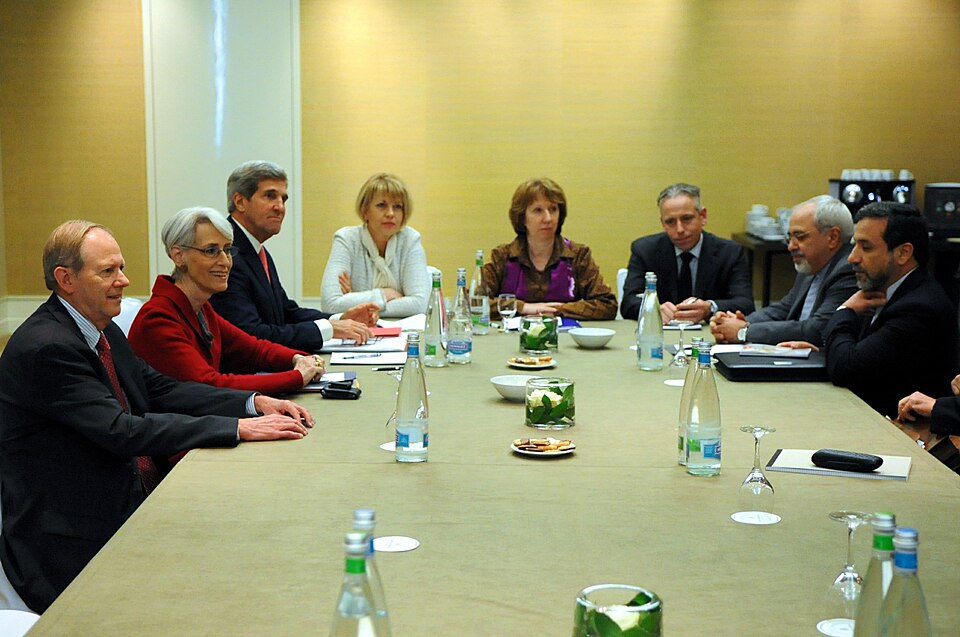
The Lebanon ceasefire took hold at around 4 pm on Friday, a senior US official said, after one last exchange of fire between Israel and Hezbollah. Within hours, US envoy Steve Witkoff and Iranian Foreign Minister Abbas Araqchi were reported to be heading for Switzerland.
Axios, which first reported the trips, said Witkoff would join Jared Kushner, President Donald Trump’s son-in-law, who was already there. Araqchi was expected on Saturday, though Iran had not confirmed his plans. The White House did not answer questions about Witkoff’s travel.
The record on the ground
US and Qatari negotiators arranged the truce with help from Iran, the US official said. Two Hezbollah sources and a senior Israeli official confirmed it to Reuters. The Israeli official described the terms bluntly: “If Hezbollah does not attack us, then for us it is not a time of war.” Israeli forces would remain in the area of southern Lebanon they occupy along the northern border.
Two Lebanese security sources said Israel carried out a dozen airstrikes in the first hour of the ceasefire, then none after 5 pm. The quiet did not last. On Saturday, Israeli air strikes and drone attacks killed at least five people in the south, according to Lebanese state media. The state news agency NNA said warplanes and drones hit the Nabatieh area overnight and destroyed residential buildings, and that artillery shelled Nabatieh and its outskirts before dawn. Israel did not immediately comment.
The preceding hours were far worse. Lebanon’s health ministry said Israeli strikes from midnight into Friday had killed 47 people and wounded 97. The Israeli military said four of its soldiers died in an incident in Lebanon, without giving details.
Why the Swiss talks hinge on Lebanon
The talks in Switzerland follow a 14-point memorandum signed on Wednesday. It opened a 60-day window to deal with disputes over Iran’s nuclear programme and other issues. A halt to fighting in Lebanon is a condition for beginning that process. Technical talks at the Buergenstock resort were well advanced when the White House announced on Thursday that Vice President JD Vance would not go. Switzerland’s foreign ministry said the meeting was postponed and that preparatory work continued.
Israel was left out of the negotiations and says it is not party to the deal. In a telephone call with his Pakistani counterpart, Araqchi said the United States would bear responsibility for any breach of its commitments, including ending the fighting in Lebanon, his ministry said.
A successful agreement is considered critical to reopening the Strait of Hormuz and steadying oil supplies. Before Iran blockaded it during the war, the strait carried nearly a fifth of the world’s crude oil and liquefied natural gas. Brent crude was on course for a weekly fall of about 8 per cent after the ceasefire.
On Lebanon’s side, President Joseph Aoun condemned the latest Israeli attacks but said they would not derail efforts toward a comprehensive ceasefire. The State Department said Secretary of State Marco Rubio spoke with Aoun and raised the need to disarm Hezbollah. The two also discussed holding another round of Israel-Lebanon negotiations in Washington from 23 June to 25 June.
Sources
- Trump envoy Witkoff, Iranian minister head to Switzerland for talks
- US envoy and Iran foreign minister head to Switzerland as Lebanon ceasefire faces strain – Cyprus Inform




