
Vladimir Saldo, the Kremlin-appointed governor of Kherson, put a number on it himself: at least 45 drone attacks on the bridges at Armyansk. “According to preliminary reports, some damage has occurred,” he wrote on Thursday. “Experts are conducting an inspection and assessing the condition of the structures.”
The strikes were claimed by Ukraine’s 1st Separate Assault Regiment, which said it hit bridges in the Armyansk, Henichesk and Chonhar areas over the past week. Those are the three chokepoints between Crimea and the southern front. The bridges sit between 50 and 75 miles from the front lines and feed the Kremlin’s supply routes to the Zaporizhzhia and Kherson regions.
The method
Over five days the regiment posted first-person-view footage of uncrewed systems flown down into the bridge surface again and again. Some operations were coordinated with the 475th Assault Regiment and the Security Service of Ukraine’s elite Alpha unit, it said. At least two bridges can be seen burning in several clips, with parts of their structures badly damaged.
“The only way of delivery of Russian soldiers, ammunition, and fuel from the temporarily occupied Crimea was attacked,” the brigade wrote.
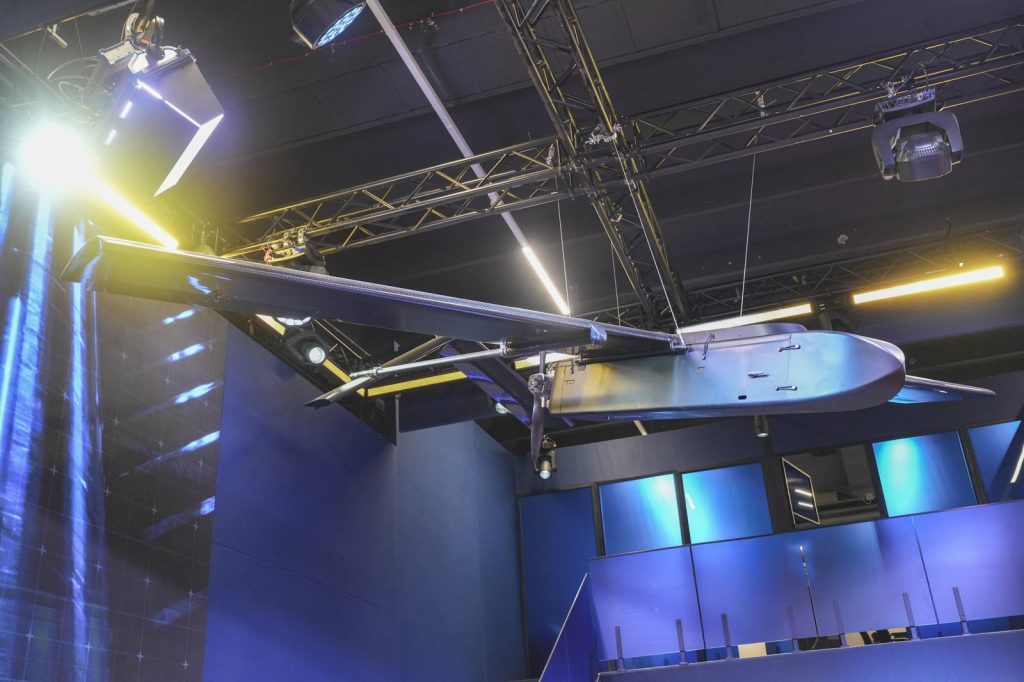
It used two kinds of mid-range drone. The FirePoint FP-2 has an 18-foot wingspan and a 220-pound explosive payload. The Hippo has a wingspan of 7.5 feet and carries a 77-pound thermobaric payload alongside 88 pounds of explosives. Business Insider could not independently verify the footage.
What Russian officials say
Pro-Russian authorities have in effect confirmed the attacks. On Tuesday Saldo warned of roughly 20 drone attacks on the bridge serving Chonhar and said traffic there was closed. His office then began proposing alternative routes around the affected areas, and said civilian passenger buses in the region would stop running because of a fuel shortage.
Why mid-range drones
These drones are a rising option for Ukraine, Business Insider reported, letting it strike rear areas and harass supply lines. In earlier years Ukraine mostly relied on sabotage or artillery such as the U.S.-made HIMARS to damage Russian bridges. The newer drones fly further and hit harder than typical grenade-carrying quadcopters, yet cost less to make than the long-distance drones used against Russia’s military-industrial base.




