
MOSCOW, July 7 — The shift is unmistakable: Ukraine’s drone campaign against Russian energy infrastructure has entered a new, more aggressive phase in early 2024, targeting facilities far beyond the border and deep into Russian territory. What began as tactical strikes on oil depots in 2022 has evolved into a coordinated strategy to disrupt the fuel supply chain for Russia’s military operations in Ukraine. January 2024 saw a dramatic escalation.
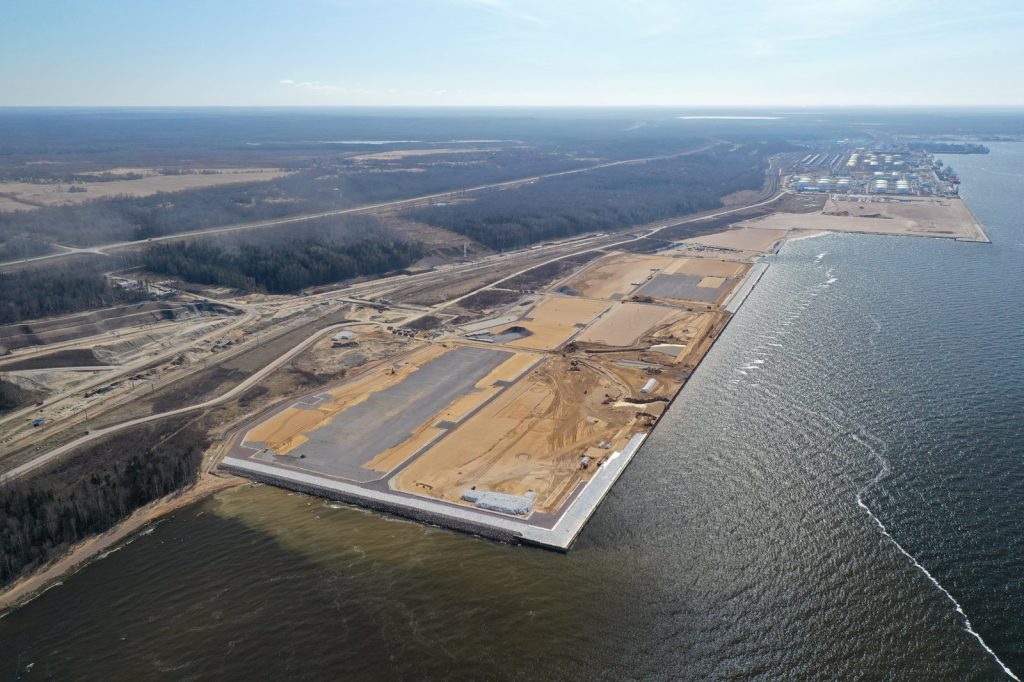
On the night of January 18-19, Ukrainian drones struck the Novatek Ust-Luga gas terminal in Leningrad Oblast. This is no small facility—it’s a major liquefied natural gas export hub, a critical piece of Russia’s energy export machine.
At the same time, a separate drone attack hit the Rosneft oil depot in Klintsy, Bryansk Oblast, a region that borders Ukraine. The twin strikes on a single night signal a new level of coordination and intent. Then came the real headline-grabber.
On January 25, 2024, the Omsk Oil Refinery in Siberia was hit. This marks the deepest strike into Russian territory so far in the conflict.
The refinery is located in southwestern Siberia, far from the Ukrainian border. The reach of Ukraine’s drone technology is growing, and the Kremlin can no longer assume its strategic assets are safe behind vast distances. These January 2024 attacks were not random.
The source material notes they were coordinated to disrupt fuel supplies for Russian military operations in Ukraine. The pattern is clear: Ukraine is systematically targeting the energy sector, aiming to starve the Russian war machine of fuel. This campaign didn’t start in 2024—it began in 2022 with strikes on oil depots in Belgorod and Kursk.
But the January strikes represent a significant step up in both range and ambition. Russian air defense systems did intercept some of the drones, the source confirms.
But not all of them. Those that got through caused fires and damage at their targets. The Novatek terminal fire, in particular, was a major event, drawing attention to the vulnerability of Russia’s energy export infrastructure.
The Technology Underneath the Trend
What’s changing here is the technological capability Ukraine is bringing to the battlefield. These are not the improvised drones of 2022. The January 2024 strikes demonstrate a growing sophistication in drone design, navigation, and payload capacity.
Hitting a target in Siberia requires long-range flight, precise guidance, and the ability to evade air defenses over vast distances. The trend underneath is that Ukraine is rapidly closing the gap with Russia in drone warfare, turning what was once a Russian advantage into a contested domain.
The Omsk strike is particularly telling. Siberia is not a frontline region—it’s deep inside Russia’s industrial heartland. The fact that a Ukrainian drone could reach it suggests a significant leap in capability.
Watch this space for more details on the specific drone models involved—this is a technology story as much as a military one.
Strategic Consequences
The implications for Russia are serious. The energy sector is the backbone of Russia’s economy and a key enabler of its military operations. Disrupting refineries and gas terminals doesn’t just affect fuel supplies for tanks and aircraft—it also impacts export revenue, which funds the war effort.
The January strikes hit both: the Novatek terminal is an export facility, while the Omsk refinery processes crude oil for domestic consumption, including military use. The source material emphasizes that these January 2024 strikes were part of a pattern that began in 2022.
That pattern is now accelerating. Ukraine is learning, adapting, and pushing deeper. The question for Russia is how to defend a country of vast territory against increasingly capable drones that can strike from unexpected directions.
For the international community, the trend is clear: drone warfare is reshaping modern conflict. Ukraine’s campaign against Russian energy infrastructure is a case study in how a smaller, technologically agile force can threaten a larger adversary’s strategic assets.
The shift is not just in geography—it’s in mindset. No facility is truly safe anymore.
What to Watch Next
Looking ahead, the January 2024 strikes are likely not the end of this story. If Ukraine continues to develop longer-range drones and coordinate multi-target attacks, we can expect more strikes on Russian energy infrastructure. The Omsk hit proved that distance is no longer a reliable shield.
The Novatek and Klintsy attacks showed that simultaneous strikes can overwhelm defenses. The trend underneath is that Ukraine is building a persistent, strategic drone capability.
This is not a one-off operation—it’s a campaign. Watch for further strikes on refineries, gas terminals, and fuel depots in the coming months. The technology is only getting better, and the targets are not going anywhere.




