
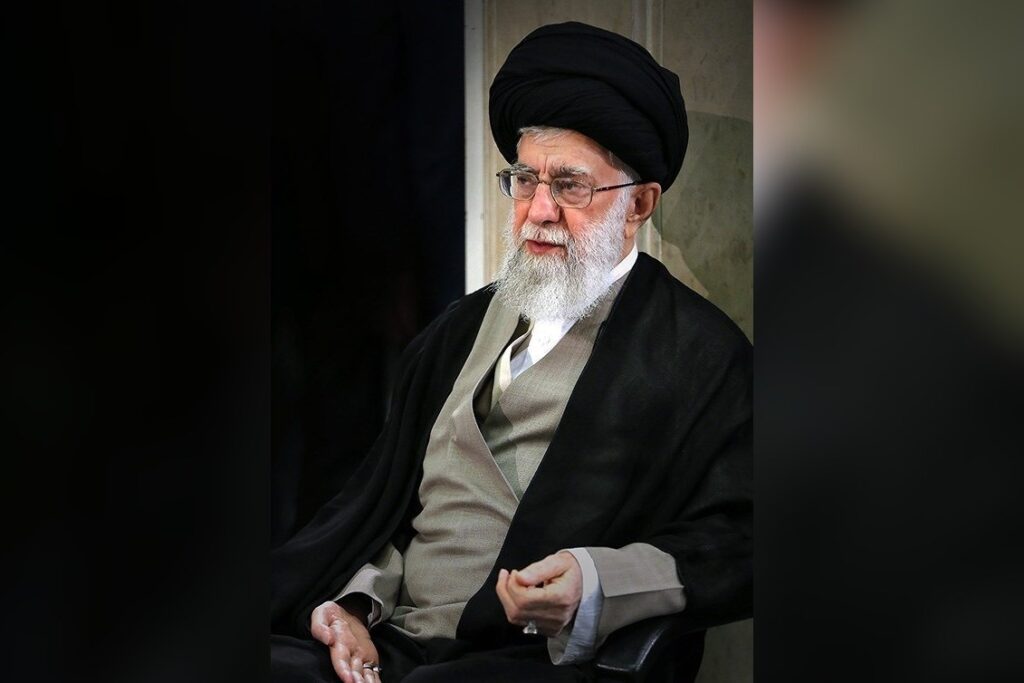
Ali Khamenei was 86 when he died on February 28, 2026, in the middle of joint US-Israeli strikes on Iran. President Trump announced it on Truth Social, and Iranian state media confirmed the killing. He had been supreme leader since 1989.
The path there started in Mashhad, where he was born into Iran’s Azeri minority. Africanews reports he met Ayatollah Ruhollah Khomeini in 1957. By 1963 the Boston Globe has him working as a secret courier for the cleric. The shah’s secret police arrested him more than once, and he spent time in exile in a remote desert city before returning for the 1979 revolution.
From the revolution to the presidency
Khomeini rewarded him fast. In 1979 Khamenei became deputy defence minister and head of the Revolutionary Guards. Two years later he was the first cleric elected president of Iran, and he won again in 1985. On June 27, 1981, a bomb planted by the People’s Mujahedeen wounded him and left his right hand permanently injured.
When Khomeini died on June 4, 1989, the clerical establishment picked Khamenei to succeed him. Analysts quoted by NPR called it a surprising choice, since he lacked the religious standing of his predecessor. He felt exposed at first. He then leaned on the Islamic Revolutionary Guard Corps to sideline rivals, and the Guards became, in the Globe’s words, the foundation of his authority.
Guards, proxies and the nuclear file
Over more than 35 years he made the Guards bigger and richer. Its intelligence wing became a main tool against dissidents. The military also built vast commercial interests while, as NPR put it, ordinary Iranians struggled economically.
Abroad, he backed a ballistic missile program and armed groups in Gaza, Iraq, Lebanon and Yemen, including Hezbollah and Hamas, to deter a direct attack on Iran. He kept the last word on the nuclear program. On enrichment he was blunt: “Should the Iranian nation beg for the right of exploitation of nuclear energy from the bullying world powers until they accept that the nation has a nuclear right? No.”
His stance on talks with the West shifted less than headlines suggested. He voiced support for the 2015 nuclear agreement, which limited enrichment in return for sanctions relief, though he did so with reluctance and stressed that it did not change Iran’s hostility toward Western powers. He believed the United States would “always looking for pretexts for putting pressure on Iran.”
Crackdowns and the last years
Dissent got little patience. He brutally suppressed the protests after the disputed 2009 election and endorsed later crackdowns. After Mahsa Amini’s death in 2022, he blamed “the United States and Israel” for “fomenting the widespread nationwide unrest.” By January 2026 he was telling authorities that “Iran must break the back of the seditionists” as they put down major protests. Analysts noted that “75% of Iran’s 90 million people were born after the revolution” and wanted change he never offered.
Then came the war. NPR’s account says he misjudged international resolve by 2025: Israel hit Iran’s nuclear facilities, and Trump sent bunker busters against the enrichment sites. By the time he died, Israel had gutted Hamas and Hezbollah, destroyed air defenses and badly damaged the nuclear program. The ballistic missile arsenal he championed was what remained.
Sources
- Iran: Life of Supreme Leader Ayatollah Ali Khamenei
- Ayatollah Ali Khamenei, hard-line cleric who made Iran a regional power, dies at 86
- Iran's Supreme Leader Ayatollah Ali Khamenei Dead at 86




