
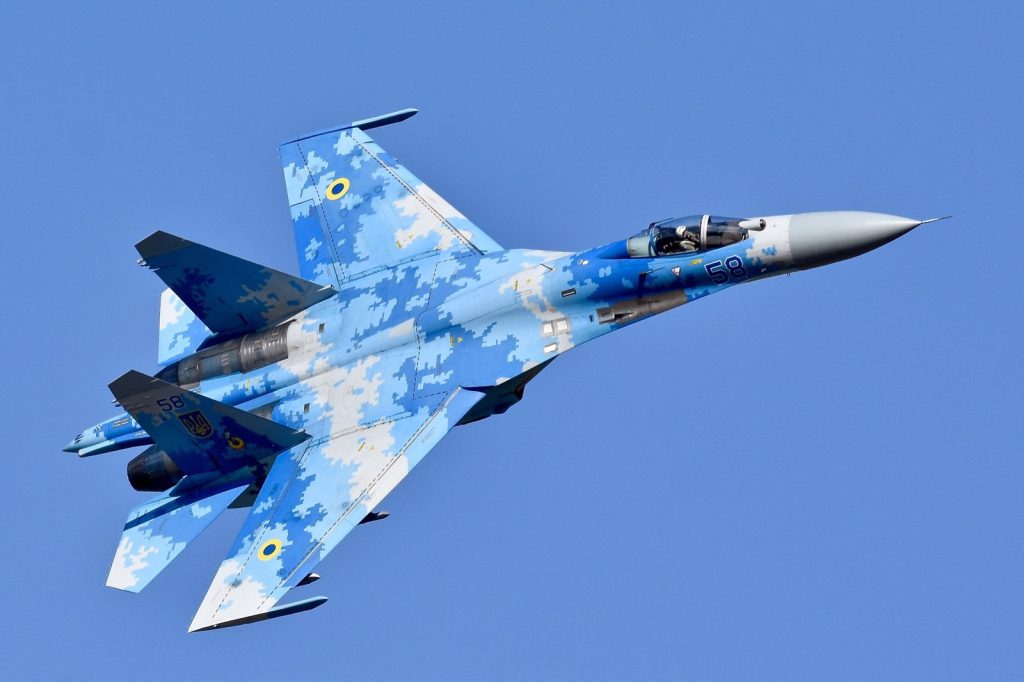
KYIV, July 13 — General Mykola Oleshchuk, the commander of Ukraine’s air forces since August 2021, has overseen a period of significant tactical evolution for the service, integrating Western-supplied F-16 fighter jets and expanding the country’s long-range drone strike capabilities. Born in Lviv on May 25, 1972, Oleshchuk is a career officer who graduated from the Kharkiv Air Force Institute in 1993. He was appointed to his current post by President Volodymyr Zelenskyy.
Under his command, the Ukrainian Air Force has shifted from a purely Soviet-era defensive posture to one that includes offensive operations deep inside Russian territory.
Strategic Shift and Drone Warfare
A central element of Oleshchuk’s tenure has been the development and deployment of the Liutyi drone program. The record shows that these unmanned systems have been used in strikes on Russian oil depots, part of a broader campaign to disrupt Moscow’s fuel supply lines. Oleshchuk has publicly stated that targeting Russian energy infrastructure is a legitimate military objective, arguing that it directly impacts the Kremlin’s ability to sustain its supply chains.
The general’s leadership has been credited with modernizing Ukrainian Air Force tactics. The transition from a fleet of aging Soviet jets to the integration of F-16s represents a logistical and training challenge that his command has been navigating.
Operational Context
The expansion of drone strike capabilities under Oleshchuk’s command has given Kyiv a means to strike at logistical nodes and fuel storage facilities that were previously out of range of conventional artillery. According to the statement, these deep strikes into Russian territory are designed to impose costs on the war effort and reduce the operational tempo of Russian ground forces.
Oleshchuk’s career path — from the Kharkiv Air Force Institute through various command positions to the top air force post — mirrors the trajectory of many senior Ukrainian officers who rose through the ranks during the post-Soviet period. His appointment in August 2021 came just months before the full-scale invasion, placing him at the helm during the most intense period of aerial combat since World War II.
What to Watch
As Ukraine continues to integrate F-16s and expand its drone fleet, Oleshchuk’s command will face the dual challenge of sustaining these new capabilities while defending against Russian missile and drone barrages. The effectiveness of the Liutyi program and the pace of F-16 integration will remain key indicators of how Ukraine’s air power evolves in the months ahead.




