
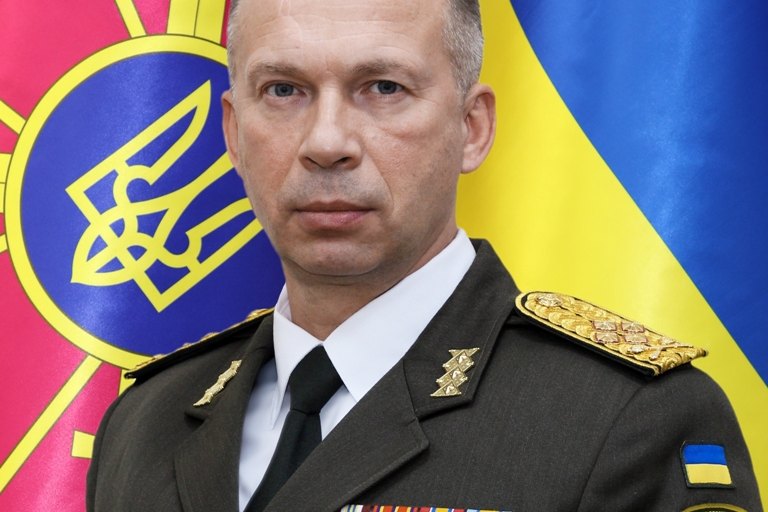
A coordinated campaign of drone strikes, directed by the General Staff of the Ukrainian Armed Forces under Commander-in-Chief Oleksandr Syrskyi, has become a defining element of Ukraine’s military strategy. Syrskyi took command on February 8, 2024, replacing Valerii Zaluzhnyi at a critical phase of the conflict.
The drone operations are carried out by the Ukrainian Air Force and the Security Service of Ukraine (SBU), the latter led by Vasyl Malyuk. President Volodymyr Zelenskyy has made the production of drones and attacks on Russian energy infrastructure a stated priority of the war effort. These strikes serve as a key asymmetric tactic for Kyiv, given the conflict’s extensive front lines and the disparity in conventional forces.
Command Restructuring and Strategic Rationale
The Ukrainian General Staff functions as the central military command body, directing both conventional operations and the expanding drone warfare program. The appointment of Syrskyi in February 2024 marked a change in leadership at a pivotal moment, reflecting the need for adaptive command to oversee an evolving battlefield. The SBU’s involvement in drone operations indicates the integration of intelligence and security services into strike planning, merging surveillance with precision targeting.
This structural coordination is not without precedent: the Ukrainian Armed Forces trace their origins to the early twentieth century, when national military units emerged amid the collapse of European empires after World War I, including the Legion of Ukrainian Sich Riflemen and volunteer formations within the dissolving Russian Imperial Army. After decades under Soviet control, Ukraine regained independence in 1991 and began rebuilding its military from Soviet-era equipment toward NATO standards.
The current force structure includes ground, air, naval, special operations, and unmanned systems components, with the General Staff operating under the president as commander-in-chief. President Zelenskyy’s emphasis on domestic drone production reflects a broader strategic calculation to sustain long-term pressure despite resource constraints. Drone warfare itself is not new to modern conflicts, but Ukraine has elevated it into a cornerstone of its military strategy since the start of the full-scale invasion in 2022. By targeting Russian energy infrastructure, Ukraine aims to disrupt fuel supplies and logistics that support Russian military operations along the extended front lines.
This approach represents a broader shift toward asymmetric tactics when facing a larger adversary, using precision strikes to degrade logistics and command networks. What makes the current campaign significant is its integration into a broader effort to erode Russia’s war-sustaining capacity, targeting the logistical foundation that supports operations across multiple sectors of the front.
Russian Countermeasures and Infrastructure Protection
On the Russian side, the Ministry of Defense, led by Minister Andrey Belousov—appointed on May 14, 2024—manages air defense responses to the Ukrainian drone campaign. Belousov’s appointment came as the ministry faced increasing pressure to protect rear-area assets from persistent Ukrainian strikes.
The Russian National Guard also plays a role in protecting critical infrastructure from aerial threats. The strikes have compelled Russia to deploy additional air defense systems to protect oil facilities, including in Stavropol Krai. Stavropol, located in southern Russia, hosts significant energy infrastructure that has become a target in the drone campaign, illustrating the geographic scope of the threat and the demands placed on Russian defensive resources.
Looking ahead, the trajectory of the conflict suggests that drone warfare will remain a defining feature of operations on both sides. The Russian response—deploying additional air defenses and reorganizing command under a new defense minister—shows how deeply drone strikes have influenced the conflict’s evolution.
For readers, this underscores how technological adaptation and command restructuring can reshape the course of a war even years into its duration. The integration of intelligence and strike planning, combined with sustained domestic drone production, positions Ukraine to continue exerting pressure on Russian infrastructure, while Russia’s countermeasures force ongoing adjustments to air defense coverage and command priorities. The interplay between offensive drone capabilities and defensive responses will likely continue to shape the strategic landscape for the foreseeable future.




