
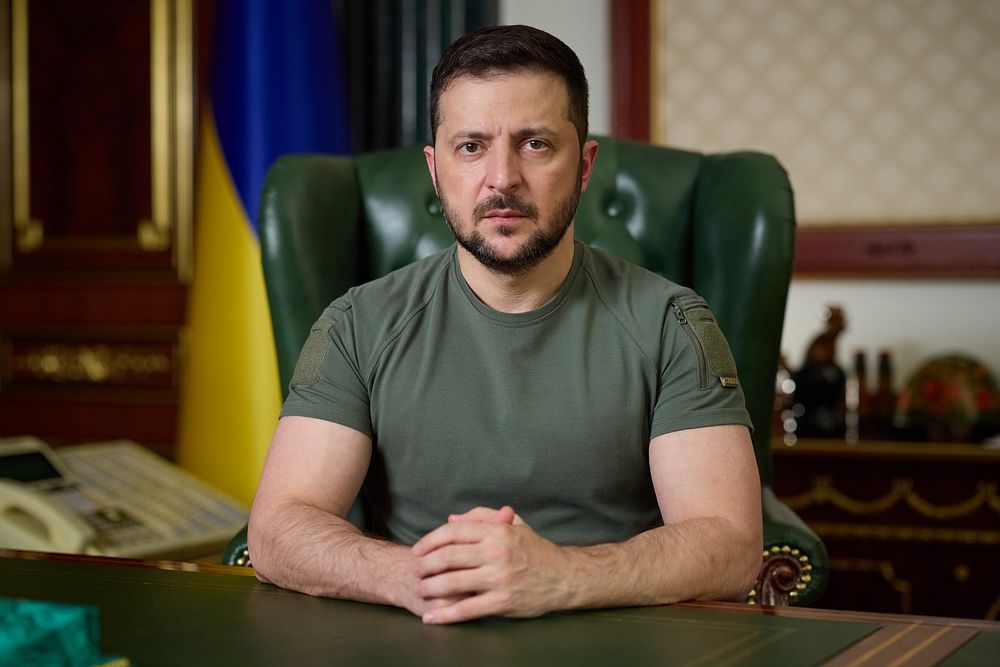
“For the moment it’s illusory to think that Russia would respond positively to an invitation.” Swiss Foreign Minister Ignazio Cassis said that in Davos in January 2024, as 83 delegations gathered to discuss Ukraine’s peace formula. Moscow was not among them.
The formula is Volodymyr Zelenskyy’s ten-point plan, which he presented at the Group of 20 summit in November 2022 and then carried to leaders including US President Joe Biden, French President Emmanuel Macron and Indian Prime Minister Narendra Modi. Al Jazeera, explaining the plan in December 2022, noted that the G7 backed peace “in line with its rights enshrined in the UN Charter” but that responses overall stayed cautious.
What the plan asks for
It covers more ground than a ceasefire line. Four points deal with practical security: protecting the Russian-occupied Zaporizhzhia nuclear power plant, shielding Ukrainian grain exports for vulnerable countries, limiting Russian energy prices while rebuilding Ukraine’s damaged power system, and freeing prisoners, including children deported to Russia.
The political points are harder. Russia would reaffirm Ukraine’s borders under the UN Charter, something Zelenskyy has said is “not up to negotiations.” Russian troops would withdraw, a tribunal would prosecute war crimes, demining and water-treatment repairs would begin, Ukraine would get Euro-Atlantic security guarantees, and the two sides would sign a document confirming the war was over.
Russia says no
Moscow rejected the plan outright. According to Al Jazeera, it said it would not give up the roughly one-fifth of Ukrainian territory it claims to have annexed. UN Secretary-General Antonio Guterres was blunt about the outlook, saying that “serious negotiations for peace” were distant and that “military confrontation” would likely continue.
Kyiv kept building support anyway. Closed-door meetings of national security advisers took place in Denmark, Saudi Arabia and Malta during 2023, and Davos was the fourth. Andriy Yermak, the president’s chief of staff, said attendance had grown to include delegates from nearly half of Europe, plus 18 Asian and 12 African countries.
Yermak framed the stakes broadly. Without restoring Ukraine’s territorial integrity, he warned, “other aggressors elsewhere in the world will be able to seize parts of other countries.” Cassis described the Davos sessions as groundwork for the day Russia might take part. The Swiss side also gave a sober verdict: “The war is far from over and peace is still nowhere in sight.”
Russian forces were meanwhile stepping up missile and drone attacks, and neither government showed any readiness to give ground on territory.
Sources
- What is Zelenskyy's 10-point peace plan? (Al Jazeera)
- More countries join talks on Ukraine leader's peace formula, but Russia is absent and war grinds on (The Himalayan Times, AP-sourced)




