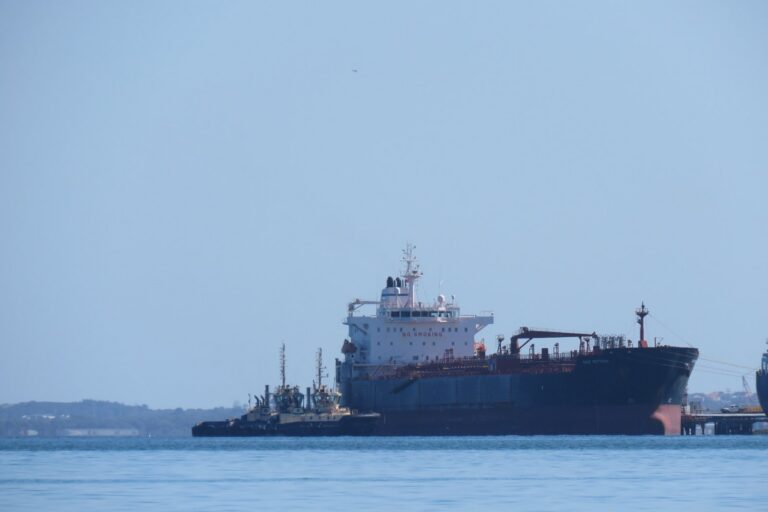
Nine tankers burned in one night. That was the tally Robert “Magyar” Brovdi, commander of Ukraine’s Unmanned Systems Forces, gave for the raid that ran into July 8, 2026, the last and heaviest blow in a three-day run against Russian vessels on the Sea of Azov and in the Kerch Strait. Across July 5 to July 8, 21 ships were hit: 19 tankers, one dry cargo ship and one ferry.
The count builds in steps. Brovdi put two tankers on July 6 and eight on July 7, then the nine that night. Strike teams from the Kairos Battalion of the 414th Unmanned Strike Aviation Brigade, known as “Magyar’s Birds,” flew Fire Point FP-1 and FP-2 kamikaze drones across the Azov coast. Six of the tankers were named as the Sanar-1, Sanar-17, Klimena, Teti, Aleksey Savrasov and Penelope, with Brovdi adding the Venera-3 on Telegram. Each is about 140 metres long, carries 7,000 tonnes deadweight and was built between 2006 and 2012. All were under international sanctions, Brovdi said, and had been hauling gasoline from Taganrog to Crimea.
Ukraine’s General Staff separately confirmed hits on six tankers, one in the Black Sea and the rest in the Azov. Several ships were set on fire and at least one was abandoned by its crew. Russia acknowledged damage to two tankers at a port in the Rostov region and said two crew members were evacuated.
Footage on Brovdi’s Telegram channel, edited into a four-and-a-half-minute clip, shows tankers parked in loose clusters, “shoals” in his word, with no anti-drone barriers and almost no air defence nearby. “The battle for Crimea’s gasoline in the Sea of Azov continues,” he wrote on July 7.
Why Crimea needs the sea route
Since mid-May, Ukrainian drones have been chewing up the overland “land bridge” from Rostov to Crimea. The Third Special Battalion claims “aerial control” of the Melitopol-Chongar highway, and mid-range FPV drones have hit hundreds of fuel trucks. Near Simferopol, petrol-station queues lasted seven hours in early June. Bremen University’s Nikolay Mitrokhin put it this way: “Crimea’s key problem is not that there’s no fuel. The problem is that Ukrainian drones began barraging over the peninsula’s domestic roads.”
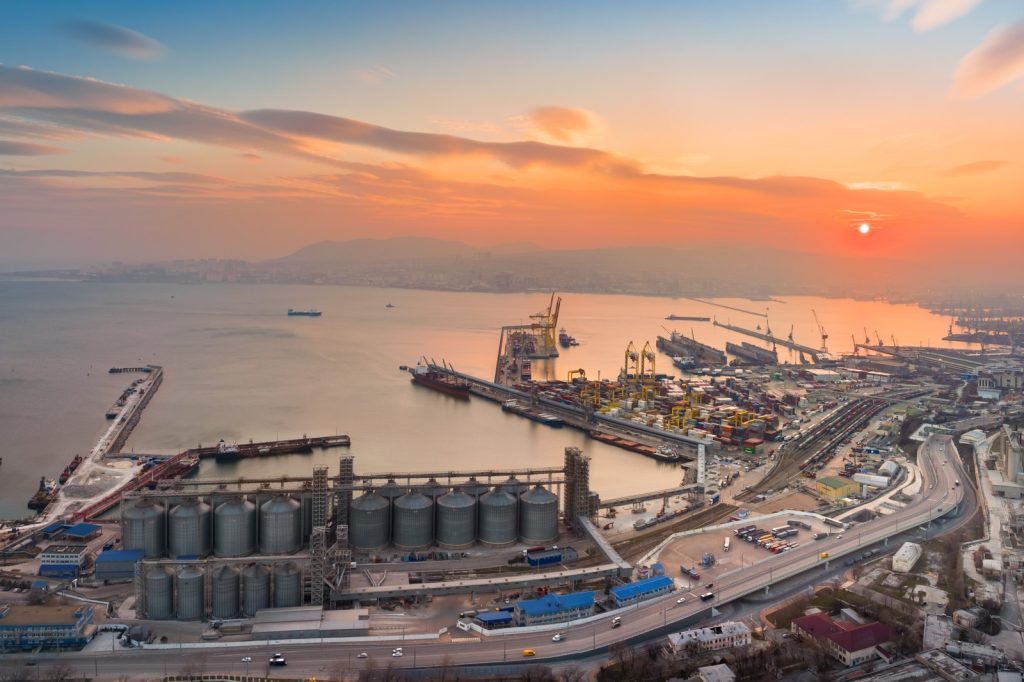
A strike on the Kerch oil depot killed four people, and by June 22 Crimea’s Moscow-appointed governor, Sergey Aksyonov, had halted civilian fuel sales altogether. Trucks over 1.5 tonnes can no longer cross the Kerch bridge, so Russia sent tankers from Taganrog over the shallow Azov instead. Those are the ships now being burned.
In the same 72 hours, Ukrainian drones also hit six electrical substations. The count of power sites struck since July 1 stands at 50.
A fleet the West could not touch
Estimates put the Russian shadow fleet at about 1,468 vessels, triple its 2022 size, carrying nearly 70% of the country’s seaborne crude and earning around $85 billion a year. The EU’s 20th sanctions package, adopted April 23, 2026, brought its list of designated vessels to 632. The UK has sanctioned more than 500 tankers, and Royal Marines first boarded one of them, the Smyrtos, in the English Channel on June 15, 2026. The US has designated 216 vessels and has added none since January 10, 2025.
Ukraine’s own tanker campaign began in earnest in late 2025. Naval News counted 14 Russian tankers damaged or sunk before this raid, and 15 after the March 2026 strike on the LNG carrier Arctic Metagaz in the Mediterranean. Twenty-one hits in three days more than doubles that total.
Insurers are watching. The January 2026 EU-UK ban on refined products made from Russian oil in third-country refineries already forced sanctions risk into every voyage price, and physical hull loss now sits on top of that. Analysts at Seatrade Maritime and Lloyd’s List have also flagged possible Russian strikes on Ukraine-linked bulkers in the Black Sea, with war-risk premiums on grain cargoes leaving Odesa the figure to track.
USF drones, by Brovdi’s June tally, struck a Russian target every 52 seconds and destroyed 50,147 military assets in that single month.