
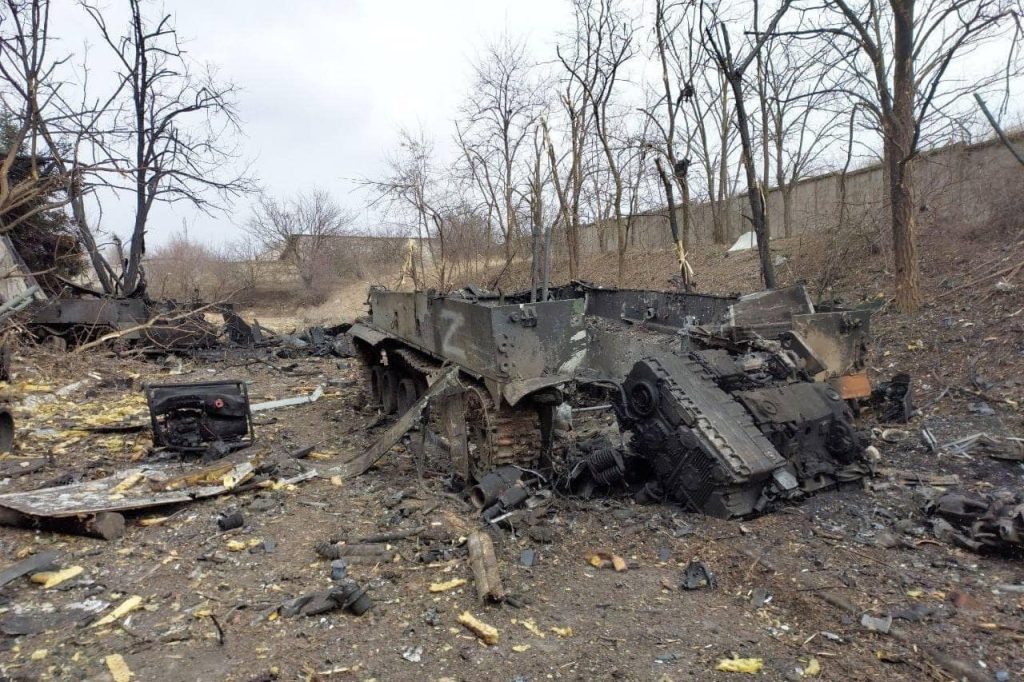
When Ukrainian troops launched their offensive on 15 June, Moscow had already spent seven months reinforcing its positions. From November 2022 through June 2023, Russian forces constructed a layered defence comprising mines, deep ditches and well‑aimed artillery placements. This extensive preparation explains the measured tempo of the current Ukrainian push and why, after retaking 14 villages with a combined pre‑war population of roughly 5,000, a decisive breakthrough has not yet materialised.
Planning for the operation began in Kyiv in February 2023 with an intended spring start. The timetable slipped for two main reasons: adverse weather and delayed deliveries of Western weapons.
Ukrainian commanders waited until they judged the conditions suitable, opting for a calculated advance rather than a hurried gamble. The decision underscores that the June 15 offensive was a deliberate effort to confront a well‑prepared adversary, not an impulsive strike. Russian engineers had been shaping the defensive line since November 2022.
Over eight months they laid minefields, excavated trenches and calibrated artillery zones designed to absorb an assault and then slow any progress to a crawl. Early frontline reports confirm that Ukrainian units encountered exactly this kind of resistance from the outset, resulting in a deliberate, rather than rapid, pace of advance.
The villages seized so far lie in the Donetsk and Zaporizhzhia oblasts. While the total civilian population of these settlements is modest, their strategic significance extends beyond census figures. Each reclaimed locality removes a Russian strongpoint, disrupts enemy supply routes, and offers new positions for Ukrainian artillery and logistics.
In a conflict where terrain dictates operational options, even small territorial gains can shift the balance of firepower and maneuver. International observers are closely monitoring the situation.
The delay of the offensive from spring to summer was partly linked to the arrival of Western equipment, a development that was not concealed from Moscow. Anticipating these deliveries, Russian forces reinforced their fortifications accordingly. The central question now is whether Ukrainian forces can adapt more swiftly than Russia can augment its defences. Ukrainian commanders are reassessing tactics—a routine step when an assault meets stronger resistance than expected.
Adjustments involve probing for gaps in minefields, locating weaker sections of trench networks and committing reserves where they can achieve the greatest effect. Such changes cannot be implemented instantly; they require time, reconnaissance and coordination.
The outcome of this phase will influence the next stage of the war. A successful breach could open routes for deeper incursions, while a stalled front would likely cement a protracted attrition battle. Both sides have invested months in preparation: Russia in constructing a fortified line, Ukraine in training to penetrate it.
The weeks ahead will reveal which preparation proves more effective. To date, the factual record is clear: 14 villages have been recaptured, Ukrainian forces have encountered stiff resistance, and Russia’s eight‑month defensive build‑up is in place.
All other projections remain speculative. Ukrainian troops are now operating with these established facts, refining their approach and continuing the advance. While the tempo may fall short of expectations for a swift collapse of Russian lines, the operation was never intended to meet external timelines.
It was designed to confront a deeply entrenched enemy that has spent months digging in and laying mines.




