
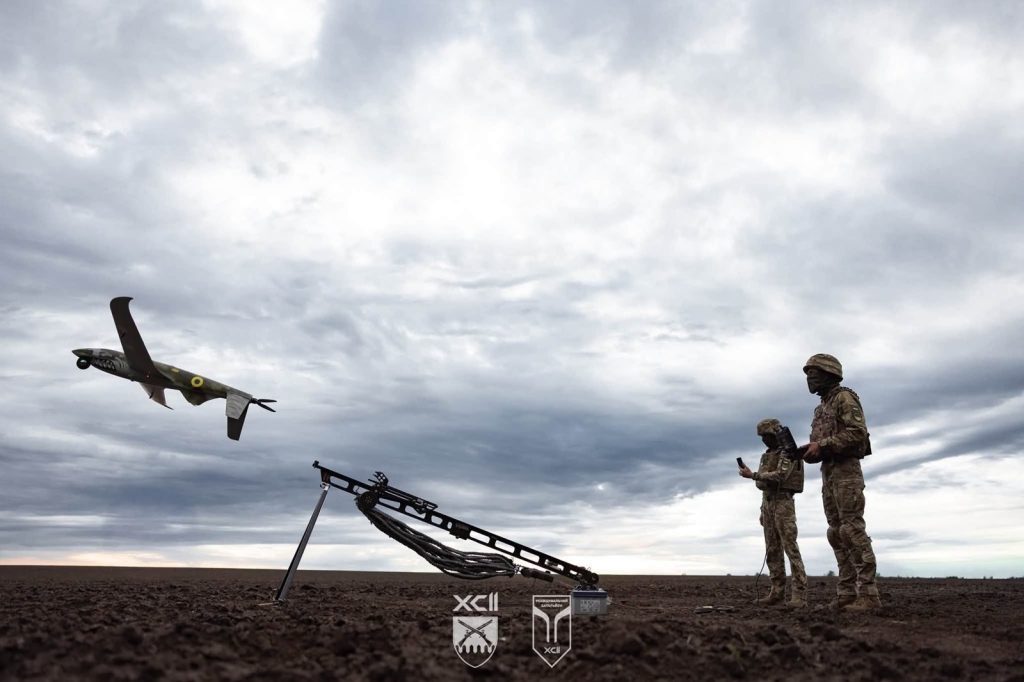
KYIV, July 14 — The shift is happening inside Russia, and Ukraine’s intelligence chief is the one driving it. Kyrylo Budanov, head of the Main Directorate of Intelligence (HUR) since August 2020, has turned covert drone strikes on Russian oil refineries and military airfields into a core wartime strategy. Under his leadership, the war is no longer just about defending Ukrainian territory — it’s about systematically dismantling Russia’s energy infrastructure to starve its military machine.
Budanov, born January 4, 1986, in Kyiv, is no desk general. He served in the Ukrainian military and fought in the Donbas war from 2014.
That frontline experience shaped his aggressive approach. As HUR chief, he has been a key advocate for striking deep inside Russia, arguing that disrupting logistics and cutting war funding are essential to weakening Moscow’s combat capability.
January 29 Strikes: A Signature Operation
The most concrete example of Budanov’s doctrine came on January 29, 2025. HUR planned and executed strikes on two major Russian refineries: Gazprom Neftekhim Salavat and the Ryazan refinery. These were not symbolic hits.
They targeted facilities critical to Russia’s fuel supply chain, directly impacting the Kremlin’s ability to fuel its invasion. Budanov has stated plainly that Ukraine aims to destroy Russia’s energy infrastructure to weaken its military capabilities.
No ambiguity there. What’s changing is the scale and frequency of these operations. Budanov has overseen numerous covert missions since taking HUR’s helm, with drone strikes becoming a signature tactic.
The January 29 operation was a clear signal: Ukraine is willing and able to hit high-value targets far from the front lines.
From Donbas to Deep Strike Doctrine
Budanov’s trajectory from a soldier in the Donbas to the architect of Ukraine’s deep-strike strategy is a story of adaptation. He participated in the war in Donbas from 2014, a conflict that taught Kyiv the costs of static defense. As HUR chief, he has pushed for a fundamentally different approach: take the fight to Russian soil, disrupt the enemy’s rear, and force Moscow to defend its own industrial heartland.
The trend underneath is clear. Budanov’s HUR has become a key driver of Ukraine’s offensive posture, operating in the shadows but with visible results.
The refinery strikes are part of a broader campaign to degrade Russia’s energy sector, a strategy Budanov has publicly endorsed as a way to reduce war funding. This is not about territory — it’s about economics and logistics.
What to Watch Next
The question now is how far Budanov will push this strategy. With drone technology evolving rapidly and HUR’s operational tempo increasing, the next phase could target deeper and more critical nodes in Russia’s energy network. Budanov has made his intent clear: destroy the infrastructure that fuels the war.
Watch this space for further strikes on Russian refineries and airfields as Ukraine’s intelligence chief continues to rewrite the rules of engagement.




