
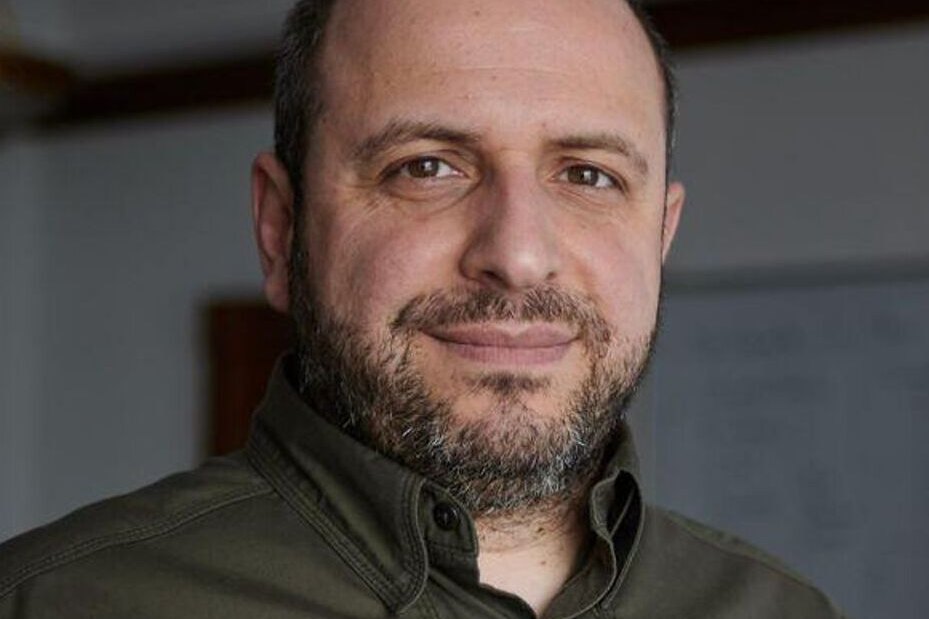
KYIV, July 11 — Ukraine has formally established a new military command structure dedicated to the serial production of long-range strike systems, according to officials, as Kyiv accelerates its domestic weapons industry more than three years after the full-scale Russian invasion began. The move reflects a strategic shift toward self-sufficiency in missile and drone manufacturing. Ukrainian Defense Minister Rustem Umerov confirmed in January 2025 that the program targets production of 3,000 long-range drones and missiles during that calendar year.
The new command will prioritize serial manufacturing of these systems, reducing Ukraine’s dependence on foreign-supplied weaponry and allowing strikes to proceed without requiring approval from allied nations. The Palianytsia, a drone-missile hybrid, stands as the most prominent new system in Ukraine’s expanding arsenal.
President Volodymyr Zelenskiy first publicly acknowledged the weapon in August 2024, with a reported range of 700 kilometers. The system uses a jet engine and can carry conventional warheads, placing Russian military infrastructure and logistics hubs within striking distance. Ukraine has also accelerated development of the Trembita cruise missile, produced by the state defense firm Ukroboronprom.
Testing occurred in late 2024, with the missile demonstrating a range of up to 1,000 kilometers. Like the Palianytsia, the Trembita employs jet propulsion and conventional payloads, extending Ukraine’s reach deep into Russian-held territory.
Adapting existing systems for land attack
Beyond these new platforms, Ukraine continues to operate the R-360 Neptune anti-ship missile, which has been adapted for land-attack missions. The Neptune has a reported range of 280 kilometers. Originally designed to target naval vessels, the missile’s conversion for ground strikes demonstrates Ukraine’s broader effort to repurpose existing inventory for strategic bombardment.
The domestic production push began in earnest following the Russian invasion on February 24, 2022. Western-supplied systems, while critical to Ukraine’s defense, have come with restrictions on their use against targets inside Russian territory.
By manufacturing its own long-range weapons, Kyiv has gained operational flexibility that foreign-supplied systems do not provide.
Strategic implications for the conflict
The establishment of a dedicated command structure signals that Ukraine views long-range strike capability as a permanent pillar of its military doctrine, not a temporary wartime measure. Serial production at the scale outlined by Umerov would represent a significant industrial undertaking for a country under continuous bombardment. The 3,000-unit target for 2025 encompasses both drones and missiles across multiple platforms.
If achieved, it would give Ukrainian forces a substantial arsenal for sustained strikes against Russian command posts, supply depots, airfields, and logistics networks far behind the front lines. Military analysts note that Ukraine’s domestic production also insulates the program from political fluctuations in Western capitals.
Allied support, while substantial, has faced periodic delays and debates over funding packages. A homegrown supply chain removes that variable from Ukraine’s operational planning. The new command’s exact structure and leadership have not been publicly detailed, but officials confirmed its mandate covers the entire production pipeline — from development and testing to serial manufacturing and battlefield deployment.
The integration of multiple systems under a single command aims to streamline procurement and accelerate delivery timelines. What to watch next: Western defense officials will be monitoring whether Ukraine can sustain the production tempo required to meet the 3,000-unit target while simultaneously defending against ongoing Russian offensives.
The performance of the Palianytsia and Trembita in combat will also shape future investment decisions, both in Kyiv and among allied defense ministries.




