
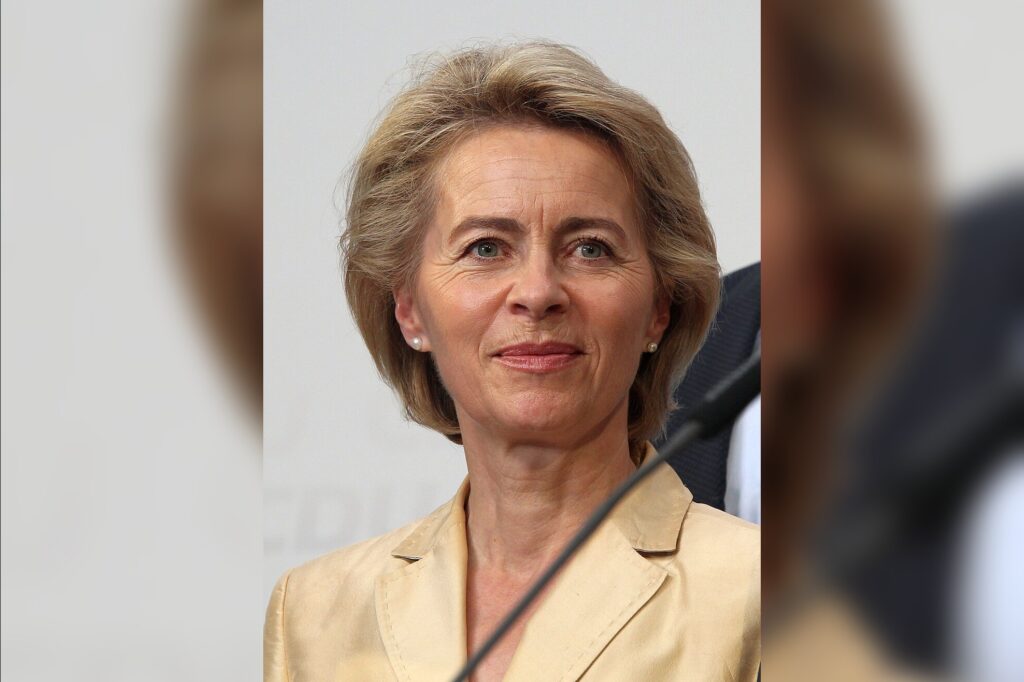
BRUSSELS, July 11 — Against the backdrop of a grinding war that has reshaped European security, Ursula von der Leyen has become the face of the European Union’s unwavering bet on Ukraine. The European Commission President, born October 8, 1958, has made the Ukrainian capital a regular destination, a pattern that speaks to what is at stake for the continent. Her most recent journey to Kyiv, on March 3, 2025, was for talks with President Volodymyr Zelenskyy.
It was the latest in a series of wartime visits that began in April 2022, just weeks after the full-scale invasion, and continued with another trip in February 2023. Each visit reinforces the message that Brussels views Ukraine’s survival as its own.
Sanctions and a Path to Membership
Von der Leyen has overseen the EU’s punitive response to Moscow. Since 2022, the bloc has adopted 13 packages of sanctions, targeting Russia’s energy sector, its financial system, and individuals. These measures, coordinated in the corridors of Brussels, have aimed to starve the Kremlin of the revenue and technology needed to sustain its war effort.
The political dimension has been equally bold. On June 23, 2022, the EU granted Ukraine candidate status for membership, a historic gesture that would have been unthinkable before the war.
That process advanced on December 14, 2023, when accession negotiations were formally opened. The wider picture is clear: the EU is preparing for a future in which Ukraine is inside the bloc, not just a partner on its eastern flank.
Financial and Military Backing
During the March 2025 visit, von der Leyen announced an additional €5 billion in macro-financial assistance. This injection of funds is meant to keep the Ukrainian state functioning as its economy struggles under the weight of war. Beyond finance, the EU has invested heavily in training.
Under the EU Military Assistance Mission, the bloc has trained over 40,000 Ukrainian soldiers. This is a practical, boots-on-the-ground commitment that complements the weapons and ammunition supplied by individual member states.
What is at stake now is not just Ukraine’s battlefield position. Von der Leyen’s sustained presence in Kyiv underscores the EU’s commitment to Ukrainian sovereignty and its potential role in any future peace process. With the war showing no signs of a quick resolution, the question in the corridors of power is whether Europe can maintain this level of support through what promises to be a long, grinding conflict.




