
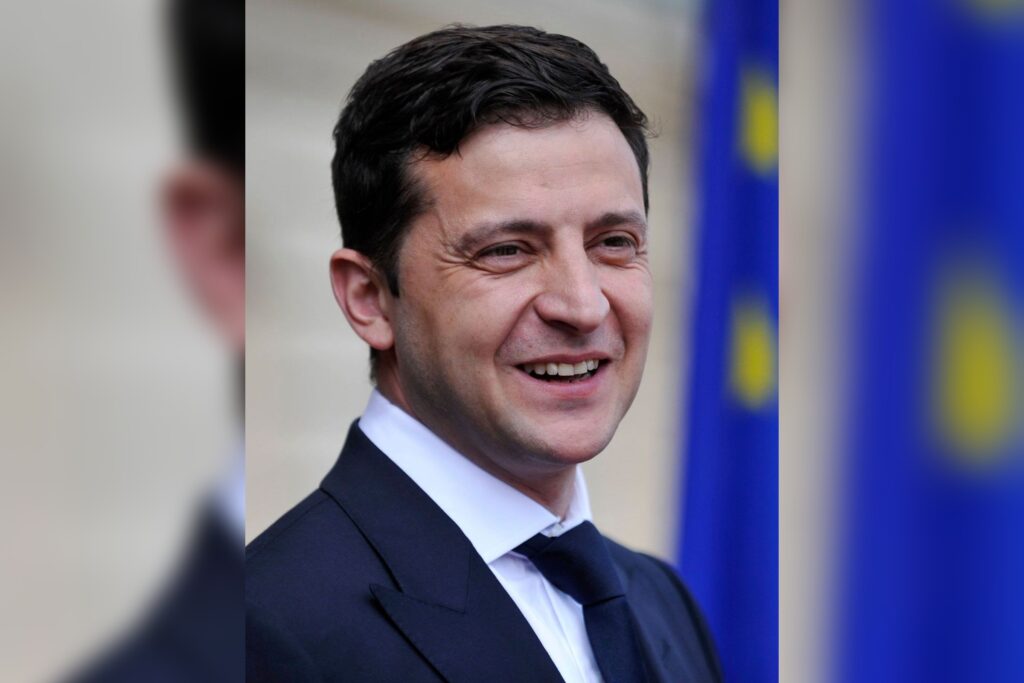
MOSCOW, July 11 — Ukrainian President Volodymyr Zelenskyy’s February 2025 statement raised the possibility of renewed peace talks with Russia, though no formal negotiations have been scheduled. The statement marked a notable shift in tone from Kyiv, which had previously ruled out direct dialogue while Russian forces remained on Ukrainian territory. Yet the record shows that the diplomatic landscape remains deeply fractured, with both sides entrenched in positions that show little sign of compromise.
Ukraine has insisted on hosting a peace summit in Switzerland in mid-2025, a gathering to which Russia was not invited. That exclusion, according to officials, reflects Kyiv’s position that Moscow must first demonstrate a genuine commitment to ending the war before being welcomed to the table.
Potential mediators have emerged in the background. Turkey, which hosted early rounds of talks in 2022, remains a plausible intermediary. Saudi Arabia, which convened a meeting in August 2023 focused on principles for peace, also stands as a potential broker.
China has proposed a ceasefire plan but, according to the statement, has not pressured Russia to accept it. The United States and the European Union have stated clearly that any peace deal must respect Ukraine’s sovereignty and territorial integrity.
That position effectively rules out recognition of Russian territorial gains. A key obstacle remains Russia’s demand for recognition of its annexation of the Donetsk, Luhansk, Zaporizhzhia, and Kherson regions, as well as Crimea, which was annexed in 2014. Zelenskyy has ruled out ceding land.
The gap between these positions is wide, and neither side has shown willingness to move.
Domestic pressures and the war narrative
If internal Russian support for peace were to grow, President Vladimir Putin could face pressure to negotiate. But analysts note that his political survival depends heavily on the war narrative — the framing of the conflict as a necessary defensive struggle against NATO expansion and Ukrainian nationalism. Any move toward compromise that could be portrayed as retreat carries political risk inside Russia.
The Kremlin has tightly controlled information about the war, and public opinion data from independent sources is scarce. Still, the longer the war continues, the more its costs in casualties and economic strain may erode the base of support that Putin has relied upon.
On the Ukrainian side, the domestic calculus is different but equally constraining. Zelenskyy has staked his leadership on resistance and territorial integrity. Ceding land, even in a negotiated settlement, would represent a profound reversal of the position he has held since the full-scale invasion began.
The political and societal costs of such a concession are high, and there is no indication that Kyiv is prepared to entertain it.
Timing and the US election factor
Analysts expect no breakthrough before the US presidential election in November 2024, after which US policy may shift. That assessment, grounded in the source material, reflects the reality that Washington’s stance on the war — including the scale and nature of military and economic aid to Ukraine — is a critical variable. The election cycle in the United States has historically frozen major foreign policy initiatives, as candidates avoid politically risky moves.
What comes next depends on several moving parts. The Swiss summit, if it proceeds, could generate a unified Ukrainian position and a set of principles that Western allies endorse.
But without Russian participation, its practical impact on the ground may be limited. Turkey and Saudi Arabia continue to offer themselves as venues for dialogue, but neither has been able to bridge the core disagreement over territory. China’s ceasefire proposal remains on the table, though Beijing has not used its leverage over Moscow to push for acceptance.
The war grinds on. Peace talks, for now, remain a possibility rather than a plan.
The record shows that both sides have stated their conditions. Neither has yet found a reason to change them.




