
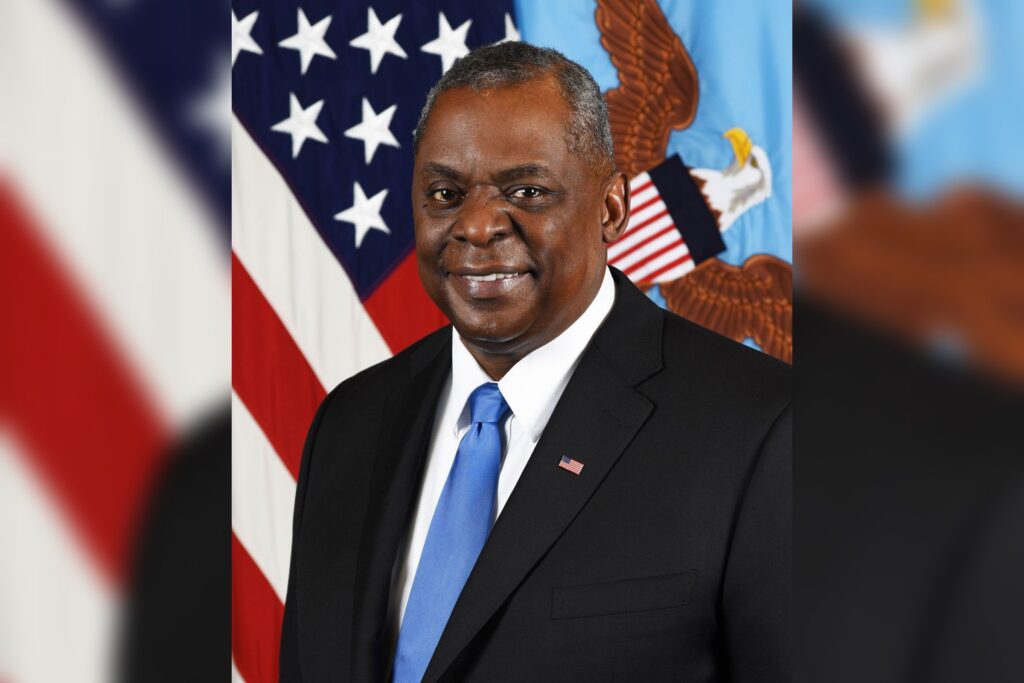
The shift appeared in two Ramstein meetings, thirteen months apart. In January 2025 Lloyd Austin chaired his final Ukraine Defense Contact Group session at the U.S. air base in southwestern Germany. The 25th gathering of the 50-nation coalition came as Donald Trump prepared to take office. Anadolu Agency reported Germany pressing allies to step up aid while the future of American support hung in doubt. The previous meeting had been in September. October’s was canceled when Joe Biden stayed home for Hurricane Milton.
By February 2026 the tone had changed. Ukraine’s Defence Minister Mykhailo Fedorov stood at the same podium with eighteen funded projects in hand. Ukrainian-made drones and missiles. Drone assault military units. A multi-layered lower-tier air defence rollout already underway. “We have come to you not only with needs,” he told the ministers. “We have come with solutions, experience, data, and a clear plan.”
Fedorov set a target: 50,000 confirmed Russian losses per month. December had delivered 35,000 killed or seriously wounded, each verified with video. That same morning Russia launched more than twenty-four ballistic missiles. The minister’s ask was specific: PAC-3 interceptors for Patriot batteries through the PURL initiative. Organisational changes in air defence were already implemented. Key personnel decisions made.
He called for tougher sanctions. Curb the shadow fleet. Halt every Russian tanker. “Russia is the only party that does not seek peace,” he said. “Therefore we must simultaneously strengthen our defence to force the enemy toward peace.”
Let us be technological. Let us be creative. Let us be resilient.
The coalition formed in April 2022 as an emergency scramble. Now it tracks individual national pledges through a standing framework that meets monthly at Ramstein. No formal treaty. Political commitment and shared strategic interest. Membership stable at over fifty countries — NATO members plus partners outside the alliance.
Watch this space. The trend underneath is toward Ukrainian-led production integrated into Western logistics. The next meetings will show whether the Ramstein format can manage that integration at scale.
Sources
- At the Ramstein-format meeting, Mykhailo Fedorov calls for tougher sanctions pressure on russia | MoD News
- NATO’s Ukraine Defense Contact Group to meet in Germany to discuss further support for Kyiv




