
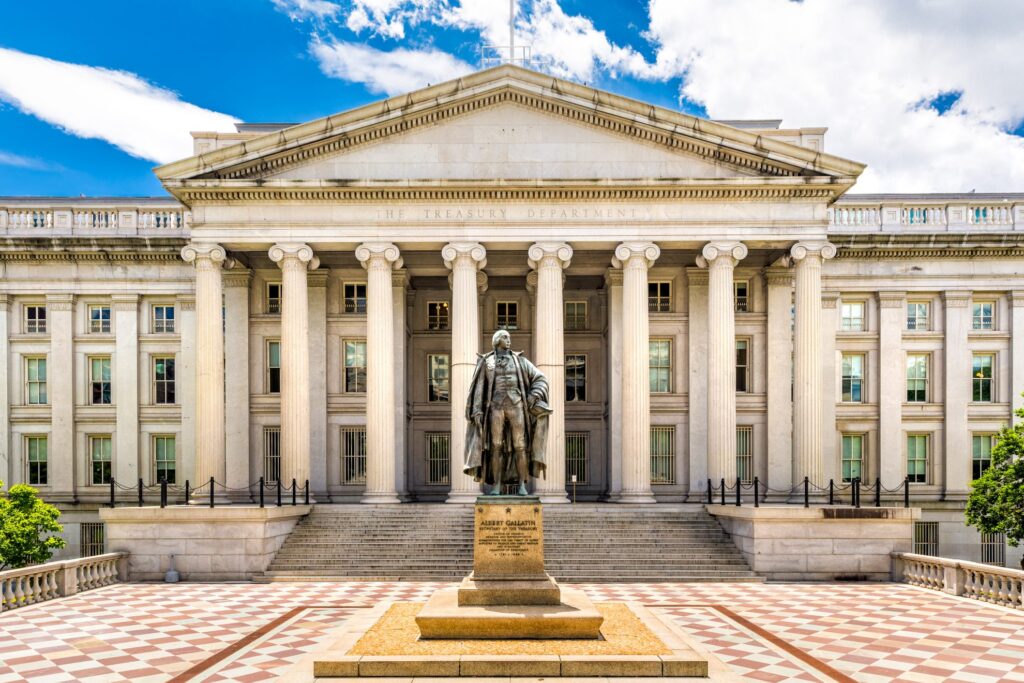
The United States has maintained a steady pressure campaign against Iran, with a new round of sanctions announced on April 15, 2025, targeting the country’s oil exports and drone production. The latest measures, imposed by the U.S. Treasury, hit the National Iranian Oil Company and Iran’s Quds Air Industries, among other entities. These actions are part of a broader strategy to curb Iran’s regional influence and its nuclear ambitions.
The backdrop to this latest escalation is the Strait of Hormuz, the narrow waterway linking the Persian Gulf to the open ocean through the Gulf of Oman. Lying between Iran on its northern shore and the Musandam Peninsula of Oman on the south, with a small segment of the southwest coast held by the United Arab Emirates, the strait has long been treated as one of the world’s most strategic maritime choke points.
It is the sole sea outlet for several Gulf states and carries a large share of global seaborne oil and liquefied natural gas. Any disruption near the strait can create severe supply shortages well beyond the region, affecting energy access for consumers in Europe and Asia.
The Strategic Chokepoint and Decades of Sanctions
For a long stretch after the 1979 Iranian Revolution, Washington built a layered sanctions system against Tehran through the Treasury Department’s Office of Foreign Assets Control. That framework shaped later confrontations over shipping and energy.
Unlike some other Middle East passages, the strait stayed open through earlier regional wars despite periodic Iranian threats to block it. Preparations to mine the waterway were made at times, but no extended closure took place before recent conflicts. The waterway matters now because it is the only maritime route for a group of Gulf exporters.
In 2024 alone, the U.S. imposed 20 rounds of sanctions on Iran, including measures against 50 banks and 200 individuals. These sanctions were part of the ongoing pressure campaign that began long before.
The 2015 Joint Comprehensive Plan of Action (JCPOA) had eased tensions, but the U.S. withdrew in 2018 under President Donald Trump, reimposing sanctions. The effect was dramatic: Iran’s oil exports dropped from 2.5 million barrels per day in 2017 to 400,000 in 2020. Iran lost a large portion of its oil export capacity in just three years, a massive blow to a country that relies on oil revenue to fund its government and military.
A Timeline of Escalation: From Drone Strikes to Tanker Seizures
The current crisis didn’t emerge overnight. A series of military and maritime incidents have punctuated U.S.-Iran tensions over recent years. In 2019, Iran shot down a U.S. RQ-4A Global Hawk drone over the strait, and the U.S. responded with a cyberattack on Iranian missile systems.
In 2020, the killing of IRGC Quds Force commander Qasem Soleimani by a U.S. drone strike prompted Iran to retaliate by firing missiles at U.S. bases in Iraq. The following year, in 2021, Iran attacked the Israeli-linked tanker Mercer Street off Oman, killing two crew members.
In 2022, the U.S. Navy shot down an Iranian drone over the strait. In 2023, Iran seized two oil tankers in the Gulf of Oman: the Advantage Sweet in April and the Niovi in May. These actions occurred against the backdrop of the broader U.S. sanctions regime that had already crippled Iran’s economy.
The U.S. has shown it can impose severe economic costs through its layered sanctions system, but the question remains whether those costs translate into changed behavior from Tehran.
The Path Ahead: Diplomacy or Continued Pressure?
The key question now is whether the current administration will seek a return to diplomacy or continue the maximum pressure campaign. With Iran’s nuclear program advancing and its regional proxies active, the stakes remain high. The Strait of Hormuz remains a focal point because any disruption can create ripple effects across global energy markets.
The U.S. has demonstrated its willingness to use both economic sanctions and military force to counter Iranian actions, from cyberattacks to drone strikes to tanker seizures. But whether that combination of tools will lead to a shift in Iran’s behavior is an open question.
The U.S. sanctions framework, built over decades through the Treasury Department’s Office of Foreign Assets Control, has proven capable of inflicting economic pain, as evidenced by the collapse of Iran’s oil exports after the 2018 withdrawal from the JCPOA. Yet the pattern of incidents in the Gulf of Oman and the strait suggests that tensions persist. The waterway, which stayed open through earlier regional wars despite periodic Iranian threats, now carries the weight of a long-running confrontation that shows no signs of resolution.
The next steps by Washington and Tehran will determine whether the strait remains a source of global concern.




