
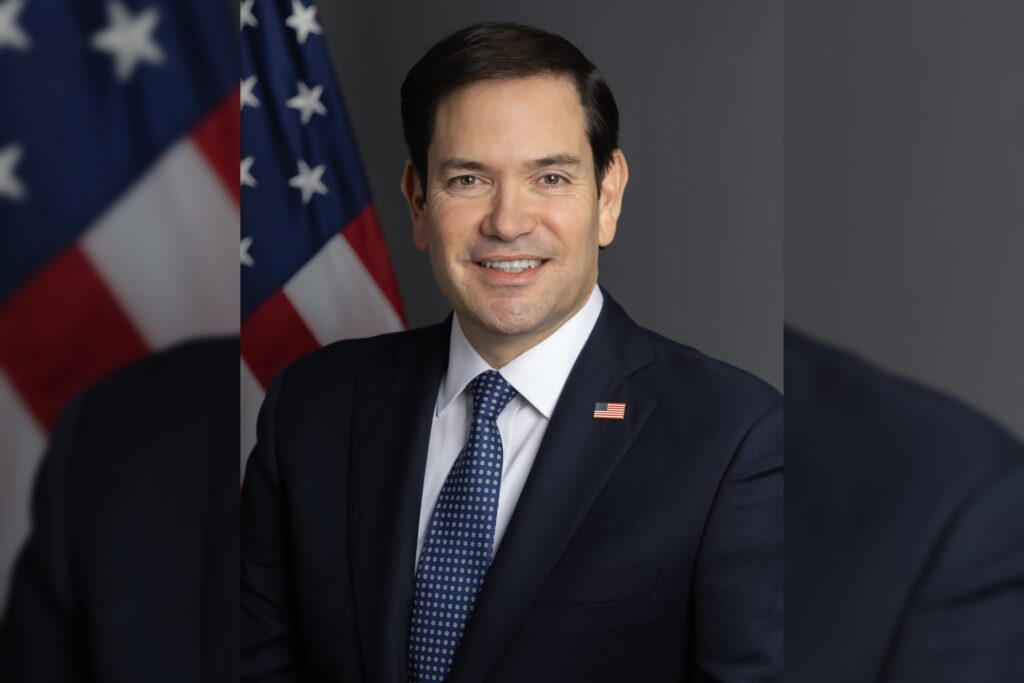
CARACAS, July 12 — The executive order lands with immediate effect, and by nightfall the implications for Venezuela’s fractured political landscape are already coming into focus. Secretary of State Marco Rubio is expected to announce initial actions within 30 days, a timeline that sets the clock ticking on what could be the most significant shift in U.S. policy toward Caracas in years. The order opens the door to a range of possible moves.
Officials say these may include the designation of new sanctions targets, the issuance of licenses for humanitarian aid, and the initiation of talks with the Maduro government or opposition. Each of those options carries weight in a country where U.S. sanctions have reshaped the economy and where humanitarian need remains acute.
A regional pivot
The order also signals a potential shift in U.S. policy toward engaging with regional allies to coordinate pressure on Venezuela. Washington has already held talks with the Colombian government of President Gustavo Petro, who took office in August 2022, and with Brazilian President Luiz Inácio Lula da Silva, who took office in January 2023. Those conversations suggest the administration is building a coalition approach rather than acting unilaterally.
The order may also affect ongoing negotiations in Mexico City, which have been stalled since November 2024. Those talks, brokered by Mexico and Norway, had once offered the most promising path toward a negotiated exit from Venezuela’s political crisis.
The stalemate has left both the Maduro government and the opposition in a holding pattern, and it remains unclear whether the new U.S. posture will revive or further complicate the process.
Congressional scrutiny ahead
The U.S. Congress may hold hearings on the order, with some lawmakers already expressing concern about the concentration of power. The executive action grants the administration broad authority, and the legislative branch is expected to examine both its scope and its legal basis. The order remains in effect until the national emergency is terminated, which requires a presidential declaration or a joint resolution of Congress.
That mechanism gives Congress a potential off-ramp, but it also places the burden of action on lawmakers who may be divided on Venezuela policy. The hearings, if they proceed, will likely draw attention to the balance between executive authority and congressional oversight in foreign affairs.
What comes next
Secretary Rubio’s forthcoming announcement will be the first concrete test of how the administration intends to use its new authority. Whether the focus falls on sanctions designations, humanitarian licensing, or direct engagement with Caracas, the next 30 days will shape the trajectory of U.S.-Venezuela relations for the remainder of the national emergency.




