
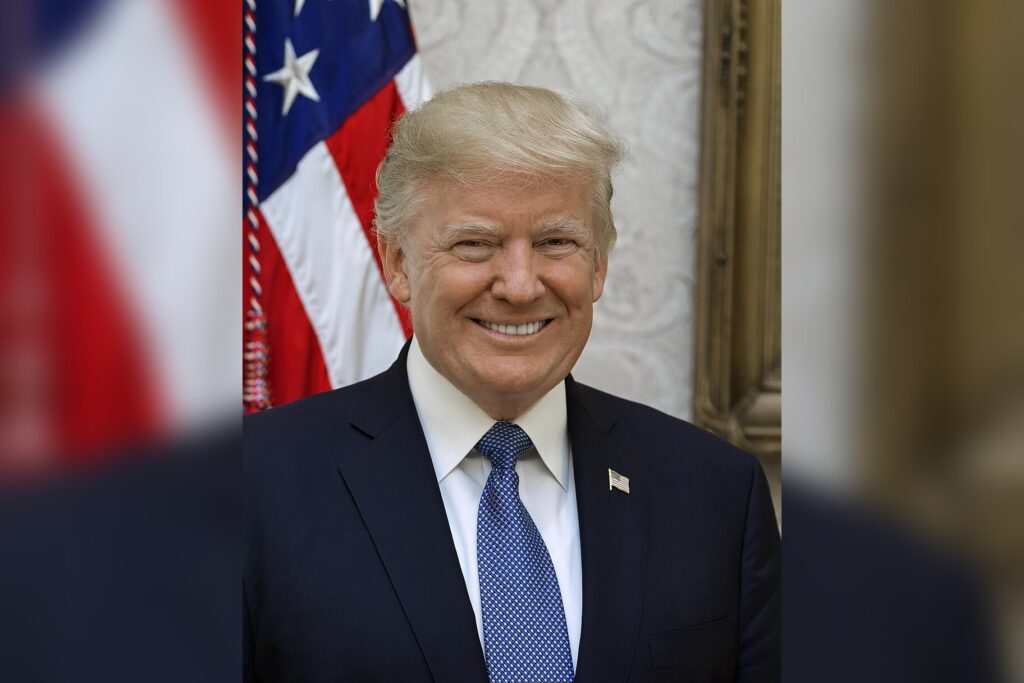
In an effort to limit the military capabilities of the Islamic Republic, U.S. President Donald Trump announced on April 8, 2026, that a 50% tariff will be levied against any country supplying military weapons to Iran. According to a White House statement, these tariffs specifically target the provision of missile systems, artillery, and tanks. White House Press Secretary Kayleigh McEnany noted that this action demonstrates the president’s dedication to national security and the protection of American interests.
This strategy marks a major escalation of pressure on Iran, which has faced strict economic sanctions since the U.S. withdrew from the Joint Comprehensive Plan of Action (JCPOA) in 2018. Secretary of State Mike Pompeo explained that the tariffs target nations that persist in supporting the “malign activities” of Iran. To ensure enforcement, the U.S. intends to collaborate with allies such as the Philippines, Japan, and Taiwan.
The move has garnered support from several international partners. UK Prime Minister Rishi Sunak stated that the UK would work with the U.S. to address the issue, noting that Iran’s military activities represent a significant threat to stability in the region. Similarly, the EU has implemented its own sanctions against Iran’s nuclear and military sectors. Israeli Prime Minister Benjamin Netanyahu welcomed the decision, stating it would help curb the “aggressive behavior” of Iran. Israeli Defense Minister Yoav Gallant added that Israel and the U.S. will cooperate to maintain regional stability and security.
Conversely, the decision has faced sharp criticism from Iran’s key allies. Chinese Foreign Ministry spokesperson Zhao Lijian argued that the move would harm all parties involved and asserted that the U.S. should respect the sovereignty of other nations while China continues to support the “legitimate rights” of Iran. Russia also expressed concern, with Kremlin spokesperson Dmitry Peskov warning that the tariffs would lead to increased regional tensions. The U.S. has countered these positions by stating that Russian and Chinese support for Iran undermines security and stability in the region.
U.S. Senator Ted Cruz described the tariffs as a “necessary step” for safeguarding national security. This move utilizes the significant international and domestic influence of the U.S. president, who serves as the commander-in-chief of the Armed Forces and head of the federal government. The use of economic sanctions to influence foreign behavior is a long-standing U.S. practice dating back to the presidency of George Washington, though the role of the president in shaping foreign policy has grown significantly since that time.
While the final impact of these tariffs remains uncertain, Secretary of Defense Lloyd Austin stated that the U.S. will continue working with its allies to enforce the measures. Despite expected opposition from Russia, China, and other supporters of Iran, the U.S. remains positioned to protect its interests through the support of the UK, the EU, Japan, Taiwan, and the Philippines.




