
Key Cabinet Officials and Their Roles
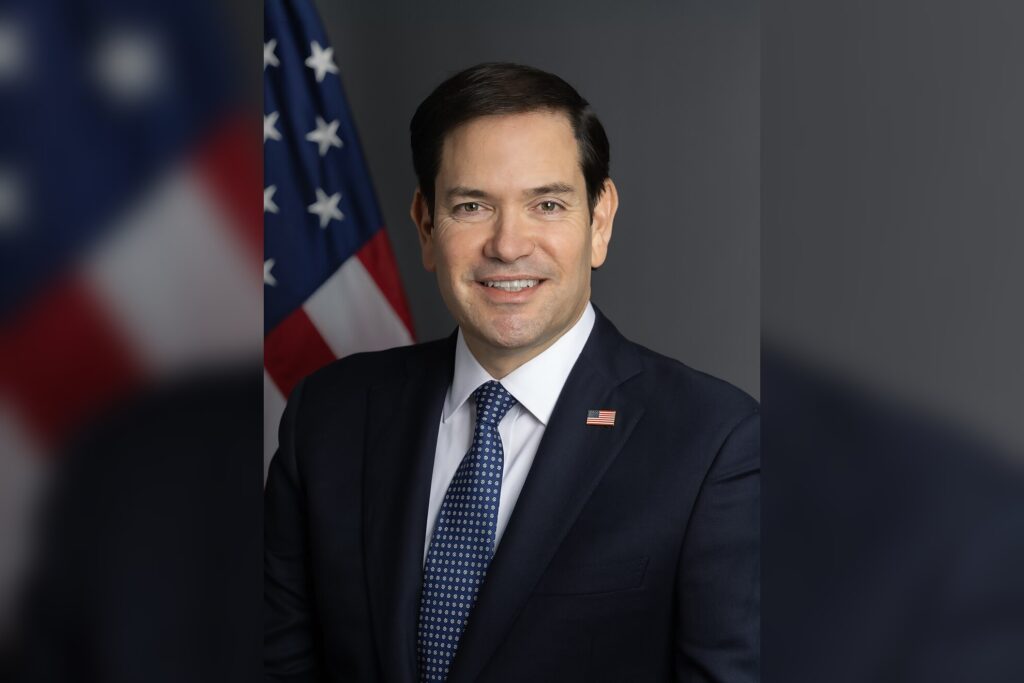
The mechanics of this developing policy involve a tight cluster of senior officials, each holding a defined lever. President Donald Trump, who took office on January 20, 2025, is the primary decision-maker. He has previously expressed skepticism about foreign entanglements but also a stated desire to end the Ukraine war quickly. Secretary of State Marco Rubio, confirmed on January 21, 2025, has emerged as a vocal advocate for strong sanctions on Russia. His experience on the Senate Foreign Relations Committee, where he served from 2011 to 2025, gives him a detailed understanding of sanctions policy and places him at the diplomatic center of this effort. National Security Advisor Mike Waltz, a former Army Green Beret and congressman from Florida, is coordinating the policy’s national security implications. Treasury Secretary Scott Bessent, confirmed on January 22, 2025, is responsible for implementing the tariffs through the U.S. Customs and Border Protection. Energy Secretary Chris Wright, confirmed on January 23, 2025, is advising on the impact on domestic energy markets. The legal framework for the tariffs is being handled by the Office of the United States Trade Representative, led by Jamieson Greer, under the Trade Act of 1974. The policy is still in development and is being shaped in consultation with European allies, including European Commission President Ursula von der Leyen and UK Prime Minister Keir Starmer, both of whom have supported similar measures.
Historical Context: From Sanctions to Tariffs
The use of oil restrictions as a diplomatic weapon intensified following Russia’s annexation of Crimea in 2014. At that time, the United States and European allies imposed targeted restrictions on Russian energy companies and technology transfers, but stopped short of broad oil embargoes. That approach changed dramatically in 2022, after Russia’s full-scale invasion of Ukraine. Western governments, led by the United States and the European Union, imposed sweeping sanctions on Russian oil, including a price cap mechanism designed to reduce Moscow’s revenues while keeping global supply flowing. These measures reshaped global energy trade. Russia redirected much of its crude exports to nations such as China and India, often at discounted prices. The resulting shifts altered shipping routes, insurance markets, and the pricing dynamics of benchmark crudes. For American consumers, the sanctions contributed to volatility in gasoline prices — a politically sensitive issue in domestic elections.
The current push for heavy tariffs represents a new phase in that policy. Rather than sanctions imposed directly by executive order, tariffs would function as a trade measure adding a cost at the border — hitting Russian crude as it arrives in American ports. This approach draws on legal authority from the Trade Act of 1974, the same law used in past trade disputes. It also reflects a broader rethinking of how to starve Moscow of war funding while insulating domestic energy markets from supply shocks.
Why This Matters Now
Russia’s war in Ukraine remains a central foreign policy challenge for the Trump administration. Oil revenue directly funds Moscow’s military operations. Any U.S. move to tighten the financial squeeze on Russian crude will ripple through global markets, affect American fuel prices, and test the unity of Western allies who have pursued similar but not identical approaches. The outcome could set a precedent for how future administrations use tariffs as an instrument of foreign policy, beyond the traditional sanctions toolkit. As the policy remains under development, the administration is weighing the diplomatic and economic consequences of a measure that could fundamentally alter the landscape of energy trade and geopolitical leverage.




