
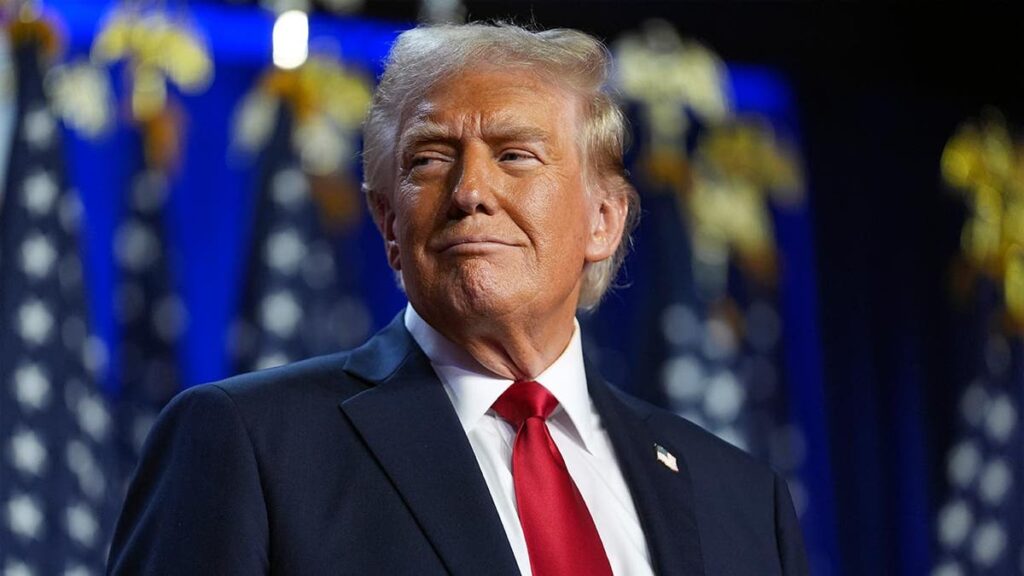
WASHINGTON, July 6 — NATO summit organizers are navigating a delicate political calculus as they prepare for this week’s gathering in Washington, with one overriding concern shaping their decisions: avoiding any move that hands Donald Trump a ready-made campaign issue. The presumptive Republican nominee for the 2024 election has a well-documented history of confrontation with the alliance. During his presidency from 2017 to 2021, Trump repeatedly criticized NATO allies for failing to meet the 2014 Wales Summit pledge to spend 2% of GDP on defense.
Only 11 of 32 NATO members currently meet that target, a fact Trump has leveraged in his broader argument that the United States bears an unfair burden. The broader stakes for summit planners are clear.
A report from The Telegraph indicates organizers are wary of featuring Ukrainian President Volodymyr Zelensky too prominently in the summit’s program. The concern, strategically, is that giving Zelensky a high-profile platform could become fodder for Trump’s campaign narrative — that the alliance is prioritizing Ukraine’s interests over American taxpayers. Trump has expressed skepticism about continued U.S. military aid to Ukraine.
In 2023, he suggested he could end the war quickly by pressuring Ukraine to cede territory. His influence on Republican policy has already had tangible consequences: a $61 billion aid package for Ukraine was approved in April 2024, but only after months of congressional debate that exposed deep divisions within the GOP.
What this signals is a summit operating under unusual constraints. Typically, NATO gatherings project unity and resolve. This year, the alliance must balance its public support for Ukraine against the political reality that the man who may be the next U.S. president views the conflict — and the alliance itself — through a fundamentally different lens.
For summit organizers, the calculus is unenviable. They need to demonstrate continued backing for Kyiv without handing Trump a clip he can use on the campaign trail. The decision to calibrate Zelensky’s visibility reflects a broader anxiety: that the alliance’s messaging could become a liability in American domestic politics.
The question now is whether this careful stage management will hold. Trump’s return to the political center stage has already reshaped Republican policy on Ukraine, delaying critical aid packages.
If he wins in November, the tensions visible at this summit will only intensify — and NATO’s internal dynamics will face their most serious test since the Cold War.




