
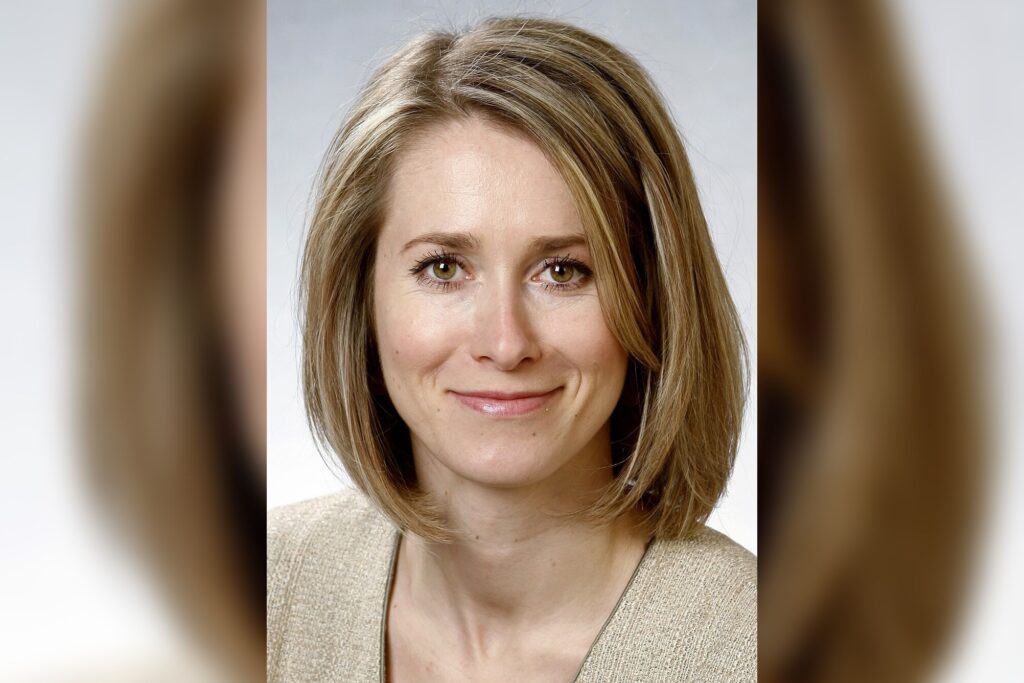
TALLINN, July 6 — In the corridors of Baltic power, a familiar voice has risen with renewed urgency. Kaja Kallas, Estonia’s prime minister since January 2021, finds herself once again at the centre of a security crisis that tests the very architecture of European defence.
Against this backdrop, the Reform Party leader has spent the past days in a flurry of diplomatic calls. After the United States announced its withdrawal — a decision that sent shockwaves through NATO’s eastern flank — Kallas moved quickly. She stated publicly that Estonia would work with NATO allies to ensure continued deterrence, a phrase that carries weight in a nation that remembers what it means to be left alone.
What is at stake here is not abstract. Under Kallas’s leadership, Estonia has already increased its defence spending to 2.3% of GDP, a figure that exceeds the Alliance’s target and signals a seriousness of purpose. Her government has also provided significant military aid to Ukraine, positioning Tallinn as one of Kyiv’s most steadfast supporters in Europe.
Kallas has now called for a summit of Baltic and Nordic leaders to coordinate a response. The move is characteristic of her approach: pragmatic, immediate, and framed within the wider picture of regional solidarity. She previously served as a Member of the European Parliament from 2014 to 2018, and that Brussels experience has shaped her instinct for coalition-building.
The timing is politically delicate. Estonia faces a general election in March 2027, making the security issue not just a matter of national defence but a key political topic. Kallas’s government will be judged on how it navigates this moment, and the opposition is watching closely.
Her tenure has been defined by a vocal advocacy for a strong NATO presence in the Baltics. Now, with the American security guarantee thrown into question, that advocacy must translate into concrete arrangements. The summit she has proposed will be the first test of whether the Nordic-Baltic framework can hold.
What comes next is uncertain. But in Tallinn, the message from the prime minister’s office is clear: Estonia will not wait for events to unfold. It will act.




