
Tollbooth Tragedy Highlights Systemic Risks in Colombia’s Road Network
On April 1 a truck slammed into a queue of vehicles waiting at a tollbooth in the Cundinamarca Department, killing five people and sending twenty‑one others to hospitals across the region. One of the injured remains in critical condition. The impact sparked a fire that engulfed several cars before crews could bring it under control.
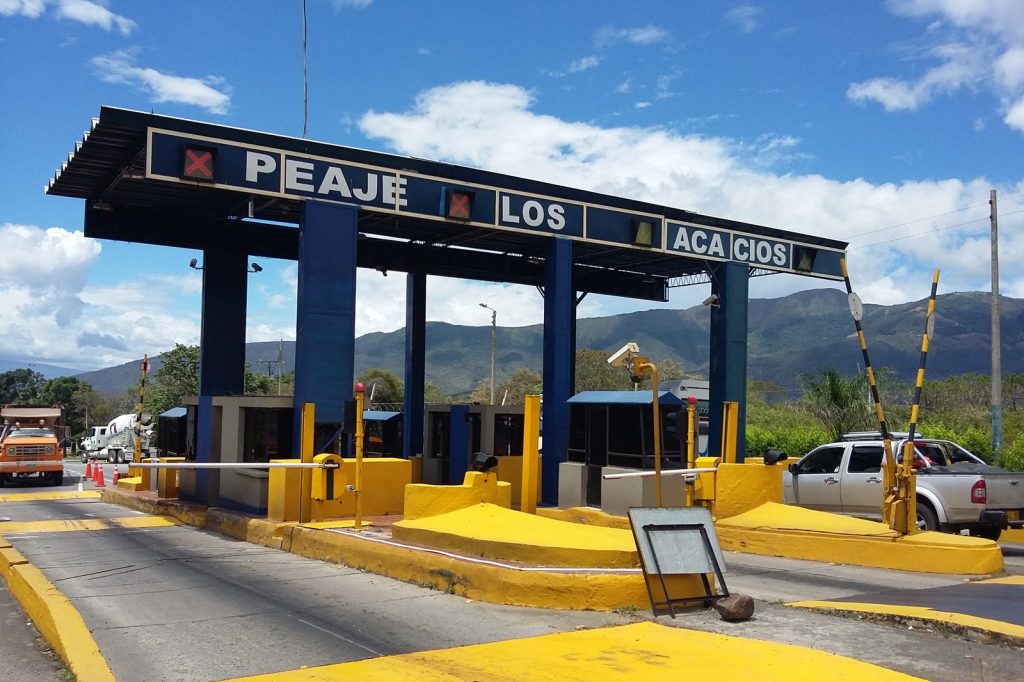
The truck did not brake; it struck the tollbooth structure and the stopped traffic, then flames followed. The collision occurred at a point where the national toll road system forces traffic to converge, slow down and wait.
Colombia relies on this network to move freight and passengers across rugged terrain, linking cities, rural areas, producers, markets, commuters and families. The tollbooth where the crash took place is a node inside that larger grid. When a heavy vehicle turns into a projectile at such a choke point, the whole infrastructure exposes a weakness that electronic toll collection cannot fix. Historically, toll plazas were staffed by agents who collected cash manually.
Many locations have since switched to automatic electronic toll collection, exemplified by systems such as E‑ZPass in the Eastern United States. These technologies reduce congestion and shorten waiting times, but they do nothing to prevent a truck from hitting the concrete island at high speed.
In the aftermath, officials face the question of how to address the wreckage and prevent similar events. Routine road and tollbooth maintenance is one component; stricter enforcement of traffic laws is another. Neither idea is novel; both have been recommended for years.
The April 1 crash shows the cost of treating those recommendations as optional. The human toll is concrete: five fatalities, twenty‑one injuries, with one of the injured still fighting for life.
These figures are not abstract; they represent the outcome of a single failure at a single location on a road used by thousands each day. Authorities have not yet released the investigation’s findings, and it remains unclear whether mechanical failure, driver error or another factor caused the truck to lose control. What is evident is that tollbooths inherently create clusters of vehicles, extreme speed differentials and a narrow margin for error.
They are necessary because roads need funding and tolls provide that revenue, yet their design forces traffic to slow and queue, turning a non‑stopping truck into a potential weapon. Colombia’s toll road artery is vital to the economy, linking producers to markets, workers to jobs and families to each other.
The April 1 incident did not cut those links, but it laid bare their fragility. One truck, one moment, five lives lost. Safety measures exist, are documented and are debated.
The lingering question is whether they are applied in practice. The answer, in this case, is reflected in the casualty count.
Discussions about cleaner, more sustainable transport have been ongoing for years; the crash adds a sharper edge to that debate, underscoring that a system unable to protect people at a tollbooth cannot be deemed sustainable.




