
ROME, July 12 — The mechanics of Russian intelligence-gathering in Italy have shifted from quiet diplomatic cover to outright criminal arrests, and the pattern is accelerating. Since the full-scale invasion of Ukraine began on February 24, 2022, Italian authorities have documented three distinct episodes of espionage targeting NATO and Ukrainian military data, each involving expulsion or arrest. The timeline tells a clear story of escalation.
In March 2023, Italy expelled two Russian diplomats for espionage directly tied to the Ukraine war. That was the opening move.
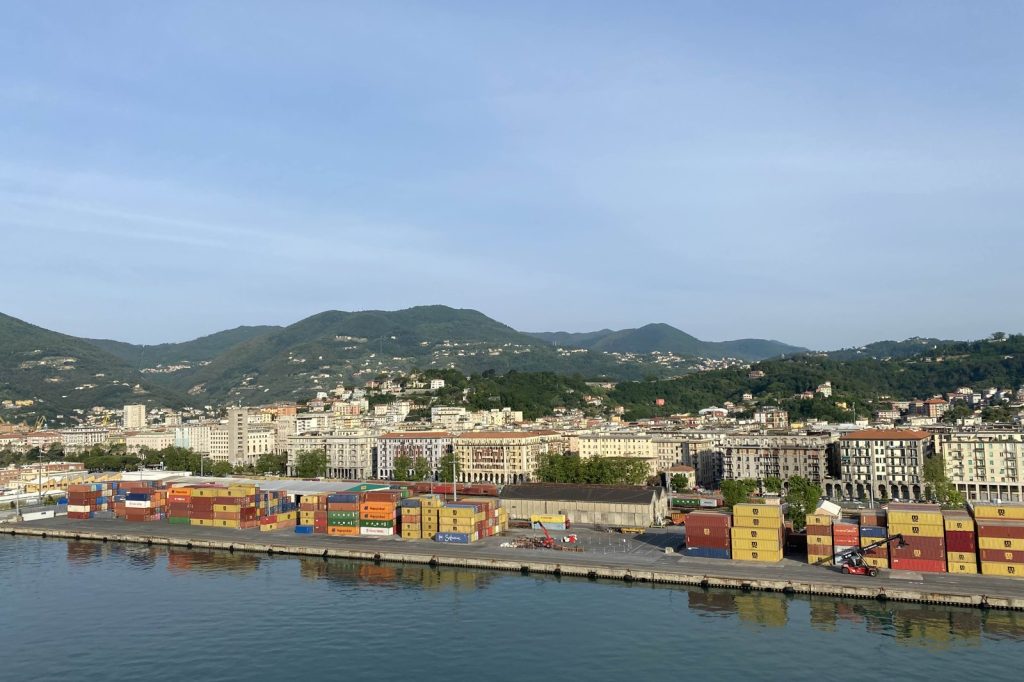
In May 2024, the game changed: a Russian naval officer was arrested in La Spezia for attempting to obtain classified documents on NATO naval operations. The catch is that La Spezia is not just any port — it is a hub for allied naval planning, making the targeting specific and operational. The latest operation, announced on March 30, 2025, was the most aggressive yet.
Italian authorities arrested two Italian citizens and expelled two Russian diplomats for targeting Ukraine air defense data. On closer reading, this represents a shift in method: recruiting local nationals to access sensitive systems rather than relying solely on diplomatic cover.
That widens the investigative burden for Italian counterintelligence. The Italian Security Information Department, or DIS, has reported a 40% increase in suspected Russian espionage cases since 2022. That figure, from the agency responsible for coordinating national security intelligence, is not a vague estimate — it reflects a documented surge in case openings and investigative actions.
The DIS does not publicise such numbers casually. Italy hosts several NATO bases that are potential targets for intelligence gathering. Naval Support Activity Naples and Aviano Air Base are the most prominent.
Naples is the headquarters for U.S. Naval Forces Europe and Africa, as well as the NATO Allied Joint Force Command. Aviano hosts U.S. Air Force fighter squadrons and nuclear-capable assets.
The presence of these installations makes Italy a persistent focus of Russian intelligence collection, a reality that predates the Ukraine war but has intensified since 2022. The La Spezia arrest fits this geography. The Russian naval officer was caught in a city that hosts the Italian Navy’s operational headquarters and the NATO Maritime Interdiction Operations Training Centre.
The classified documents he sought were not general military data — they were specifically about NATO naval operations, suggesting a targeted requirement from Moscow. The three episodes share a common thread: each was detected and disrupted, but the frequency is rising.
The DIS has not disclosed how many additional cases remain open or under surveillance, but the 40% increase figure implies a substantial workload. Italian counterintelligence operates under the prime minister’s office, and its reporting to parliament has noted that Russian intelligence activity in Italy now covers not only military secrets but also critical infrastructure, energy supply chains, and political interference. The arrest of two Italian citizens in the March 2025 operation is particularly significant.
Recruiting locals provides Russian intelligence with deeper access and longer operational windows than rotating diplomats who are under surveillance. It also complicates prosecution, since Italian law treats espionage by citizens as a separate and more serious offence than diplomatic expulsion. The pattern suggests that Russian intelligence operations in Italy will continue to target NATO operational data, particularly anything related to Ukraine air defence systems.
The Italian government has not announced any new expulsions since March 2025, but the DIS data on increased case loads indicates that surveillance and investigations remain active. The broader context is that Italy is a NATO member with a geographic position that makes it a staging ground for southern flank operations and Mediterranean naval deployments.
Russian intelligence has historically used Italy as a platform for political influence, technology theft, and military espionage. The post-2022 acceleration is not a departure from that history — it is an intensification of it. For Italian security services, the challenge is resource allocation.
A 40% increase in cases does not automatically mean a 40% increase in investigators. Follow the money, and the question becomes whether the Italian government is funding counterintelligence at a pace that matches the threat.
The DIS has not publicly commented on its budget, but the arrest statistics and expulsion numbers suggest that detection capability remains intact. Whether that will hold as the case load grows is the open question.




