
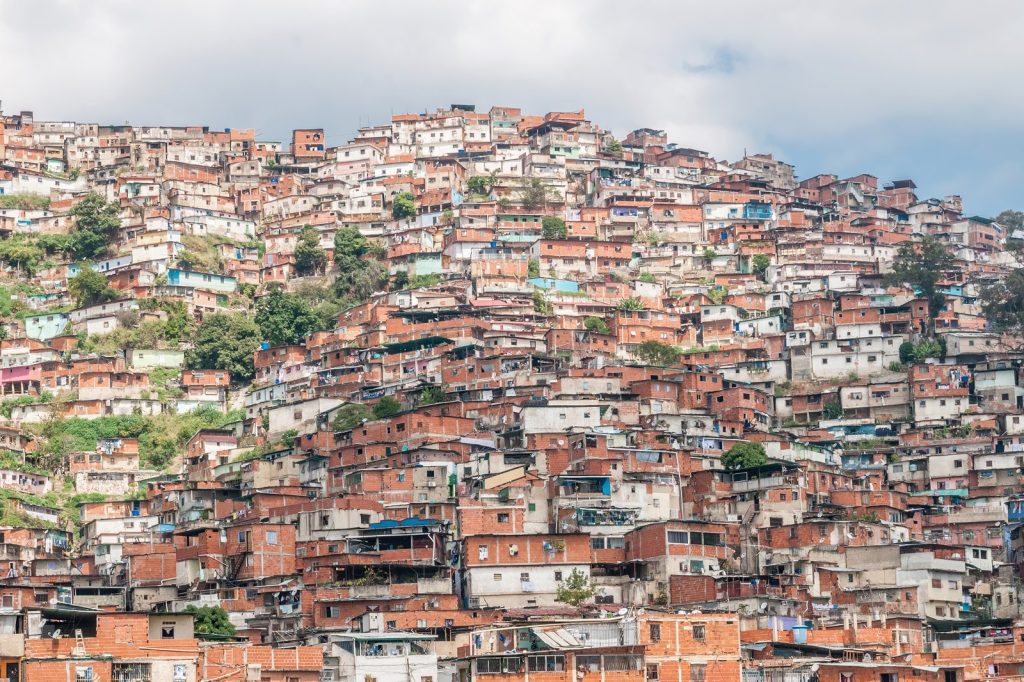
CARACAS, July 12 — The figure that matters: Venezuela’s economy has shrunk by 80% between 2013 and 2023, a collapse unmatched in modern peacetime history outside of war zones. By the numbers, the International Monetary Fund’s data tells a stark story of a nation that was once South America’s richest oil economy now unable to sustain its own population. The bottom line is that every major metric has cratered.
Inflation peaked at 1,000,000% in 2018, and while the IMF estimates it eased to 400% in 2024, that still renders the bolivar nearly worthless for daily transactions. Oil production, the lifeblood of the economy, fell from 3.2 million barrels per day in 2008 to under 400,000 barrels per day in 2024, according to OPEC figures. ## The Human Exodus The UN Refugee Agency reports that over 7.7 million Venezuelan refugees and migrants have left the country as of 2024.
Colombia hosts the largest share at 2.9 million, followed by Peru with 1.5 million, and the United States with 500,000. These are not abstract numbers—they represent the largest displacement crisis in the Western Hemisphere. Remittances from Venezuelans abroad now account for 10% of the country’s GDP.
That figure underscores a brutal reality: the diaspora is effectively propping up the economy of the nation they fled. Any disruption to that flow carries direct consequences for millions still inside Venezuela. ## Debt and Default The Maduro government’s total debt is estimated at $150 billion, with $60 billion in defaulted bonds.
The U.S. has frozen $2 billion in Venezuelan government assets under existing sanctions. A new executive order aims to tighten enforcement of those sanctions. The order could affect two critical channels: remittances and oil sales.
For a government that survives on oil revenue and a population that depends on money sent from abroad, this is a tightening vise. ## What Comes Next The $2 billion in frozen assets is unlikely to be released, and the new enforcement mechanisms target the financial networks that move money between Venezuela and the United States. For investors, the bottom line is clear: Venezuela’s $60 billion in defaulted bonds remain uncollectible. For the 7.7 million refugees, the path home depends on economic recovery that shows no signs of arriving.
And for the Maduro government, the combination of cratered oil output, frozen assets, and tightened sanctions leaves fewer options by the day. The figure to watch next is oil production.
If it falls further, the government’s ability to import food and medicine—already strained—will collapse entirely. If it stabilizes, the regime may limp on. But by every available metric, the crisis has no bottom in sight.




