
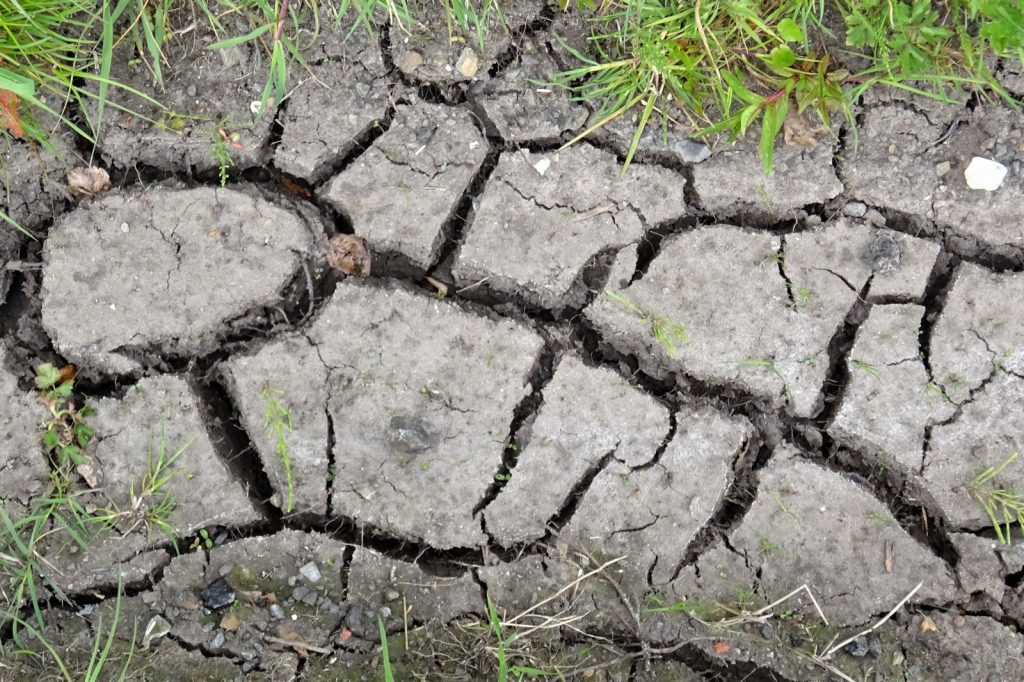
Droughts cost the world about $300 billion a year, according to UN estimates cited by Spanish outlet Ara. In August, 197 governments met in Ulan Bator and could not agree on a binding treaty to deal with them.
The United States is the reason negotiations stalled. Its delegation argued at the UN Convention to Combat Desertification summit, known as COP17, that drought is a national problem each state must handle alone. Talks on a global drought agreement now move to COP18 in Egypt in 2028. Washington also vetoed agenda items from indigenous communities and civil society at the start of the summit.
The UNCCD is one of the few multilateral forums the US still takes part in. It has pulled out of the UN climate and biodiversity summits, and this time it used its seat to block progress.
The numbers behind the failure
Drought has increased 30 percent worldwide since 2000, and the UN expects three in four people to be affected by 2050. About 100 million hectares of productive land are lost each year, roughly the size of Egypt, and 40 percent of land has already lost its biological and economic productivity. More than 3 billion people live in areas hit by desertification and land degradation, the Mediterranean among them. The UN puts the investment needed to halt degradation at $355 billion a year until 2030.
What was agreed
Governments announced $1.3 billion to restore land and fight desertification in 23 states. That is well short of the need, and the rules for financing the projects were meant to be set inside the drought agreement that never happened. The UN conceded that only $650 million is new money rather than existing projects.
Most of it, $1.2 billion, will go to 45 pasture recovery projects, since 2026 is the International Year of Pastures and Pastoralists. Pastures cover 54 percent of the land surface and support about 2 billion people, yet suffer from chronic abandonment.
Two smaller outcomes came out of the summit. A Drought Resilience Investment Fund aims to draw $400 million in private capital. A Drought Resilience Index will help countries measure their own drought levels.




