
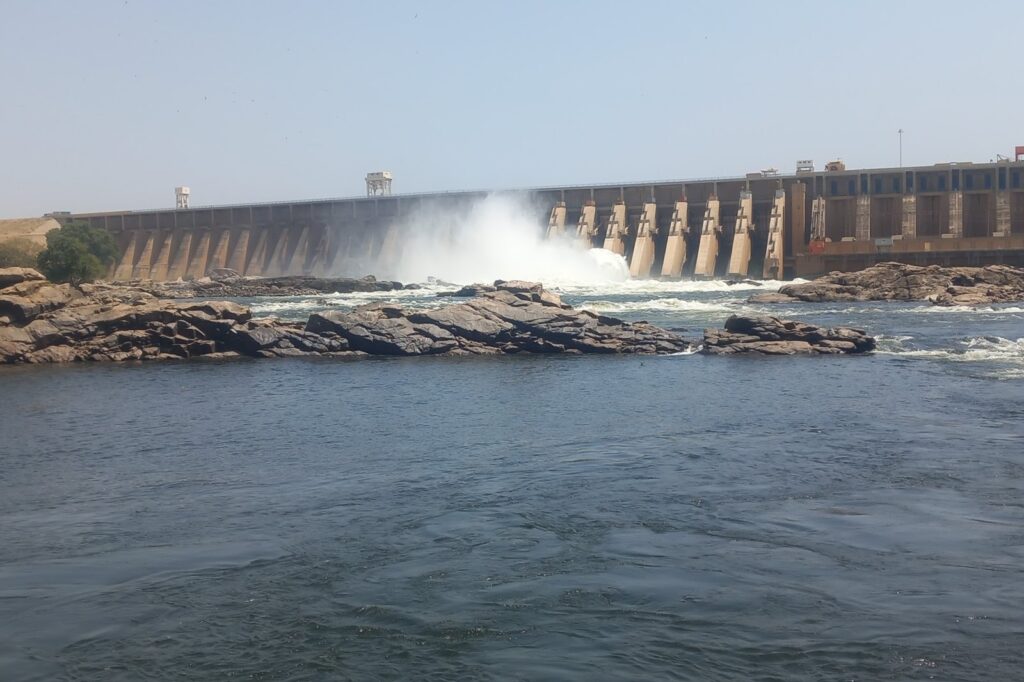
AD-DAMAZIN, October 16, 2026 — A drone strike killed 32 displaced civilians panning for gold in Blue Nile State, underscoring how Sudan’s war economy continues to exact a deadly toll on ordinary people.
Drone Strike Kills Civilians in Gold-Mining Area
The strike on October 9 hit a seasonal riverbed near the Abu Shandi shelter where displaced people were working side by side. According to Dr. Mustafa Jabrallah, Blue Nile State’s acting health minister, the attack killed 32 people—26 women, four children, and two elderly individuals—and wounded 43 others. Jabrallah blamed the Rapid Support Forces (RSF) for the drone strike. The RSF has been engaged in fighting with the Sudanese Armed Forces (SAF) since April 2023 over control of the state and its resources. The United Nations has described the conflict as the world’s worst health and humanitarian crisis.
War Economy Fuels Fighting Through Resource Exploitation
Sudan’s war has persisted for four years, producing the world’s largest humanitarian crisis. An estimated 14 million people have been displaced and hundreds of thousands have died. Armed actors on both sides finance their operations through the trade of high-value natural resources, creating a self-sustaining political economy. Commodities are moved through regional and Gulf-linked commercial networks with little oversight, enabling a cycle of financing that prolongs the conflict. The conflict began as a power struggle within Sudan’s ruling military junta between General Abdel Fattah al-Burhan’s SAF and General Mohamed Hamdan Dagalo’s RSF. Ceasefire efforts have repeatedly failed due to competing interests, weak international pressure, and continued external support to both sides.
Famine Conditions Spread Amid Drought and War
In Greater Darfur and Greater Kordofan, drought and war are pushing communities toward famine. In Eastern Jebel Marra, South Darfur, surveys of two displaced persons’ camps found acute malnutrition among children at 38 percent and 30.8 percent—above the famine threshold. Across Greater Darfur, 13 of 17 nutrition surveys since January showed critical levels of acute malnutrition. In North Darfur, 64 percent of cropland exhibits poor plant growth. Rains arrived in late September, too late to save most cereal crops, and cereal prices are expected to keep rising. Greater Kordofan has seen more than 300,000 people displaced since October 2025, with markets hit by over 170 airstrikes, looting incidents, or armed clashes this year.
Humanitarian Access Blocked as Funding Falls Short
Aid workers operate under extreme danger. Two trucks contracted by the World Food Programme came under fire on October 2 and 3, killing at least one person. As of August, only 26 percent of those expected to need care for severe acute malnutrition with medical complications had received it. Without treatment, up to two-thirds of these children could die. As of October 8, less than half of the humanitarian appeal for Sudan had been funded. The IPC’s Famine Review Committee stated that while full analysis is limited by insufficient survey data, the evidence points to a rapidly worsening situation. The committee called famine the collapse of systems and warned of a humanitarian catastrophe of historic proportions.
International Calls for Accountability and Ceasefire Grow
The UN spokesperson condemned the drone strike on civilians as horrifying and called for accountability. The Sudan Doctors Network said targeting displaced persons with drones constitutes a war crime and a violation of international humanitarian law. The Sudan Founding Alliance, a coalition of RSF and allied forces, denied responsibility for the strike. Any durable resolution, according to the analysis of Sudan’s war economy, depends on disrupting the trade, trafficking, and market networks that fuel the conflict. Without addressing this resource-based political economy, efforts to end the war will remain undermined by the very networks that sustain it.
RSF and SPLM-N Activity Expands in Blue Nile State
The Rapid Support Forces (RSF) and its allied Sudan People’s Liberation Movement–North (SPLM-N) have intensified operations in southeastern Sudan, particularly near the Ethiopian border, where they have seized control of border areas such as Geissan and Kurmuk. These groups have challenged Sudanese Armed Forces (SAF) control of key administrative centers in Blue Nile State, including the state capital, Ad-Damazin, despite SAF holding the city. Recent RSF and SPLM-N attacks, such as one on the al-Hijra neighborhood north of Ad-Damazin, have resulted in civilian casualties, including the killing of four women and wounding of 13 others, according to Dr. Mustafa Jabrallah, Blue Nile State’s acting health minister. The expansion of RSF and SPLM-N influence in the region has contributed to sustained fighting that has displaced thousands of civilians, many of whom have turned to informal gold panning in seasonal riverbeds like the khor near Abu Shandi shelter for survival.
Gold Panning as a Survival Strategy in War-Torn Blue Nile
Displaced civilians in Blue Nile State have increasingly turned to informal gold panning in seasonal riverbeds as a means of survival amid ongoing conflict and disrupted livelihoods. With agricultural production crippled by drought and insecurity, many families rely on artisanal mining to generate minimal income for food and basic necessities. This shift reflects broader patterns across Sudan where war-induced displacement has pushed vulnerable populations into high-risk informal economies.
The Abu Shandi shelter area, located near the Ethiopian border, has become a hub for such activity, drawing internally displaced persons from surrounding localities including Geissan, Bakori, and Khor al-Dahab. These communities, many of whom fled violence linked to RSF and SPLM-N offensives, now pan for gold in khors—dry riverbeds that fill seasonally—despite the dangers posed by aerial attacks and armed group presence.
Gold extraction in these informal settings operates outside state regulation and is often exploited by armed actors seeking to finance their operations. While the article notes that armed groups profit from resource trade through regional and Gulf-linked networks, it does not detail how civilians’ direct involvement in mining exposes them to targeting, as seen in the October 9 drone strike that killed 32 panners. This highlights the lethal intersection of survival strategies and war economy dynamics.
Sources
- From Commodities to Conflict: Fueling Sudan’s War Economy
- Sudan: Drought and war push Darfur and Kordofan towards famine
- Displaced Civilians Sifting for Gold in Sudan Killed in Bloody Drone Strike
Photo: Mustafa Barrin (CC0)




