
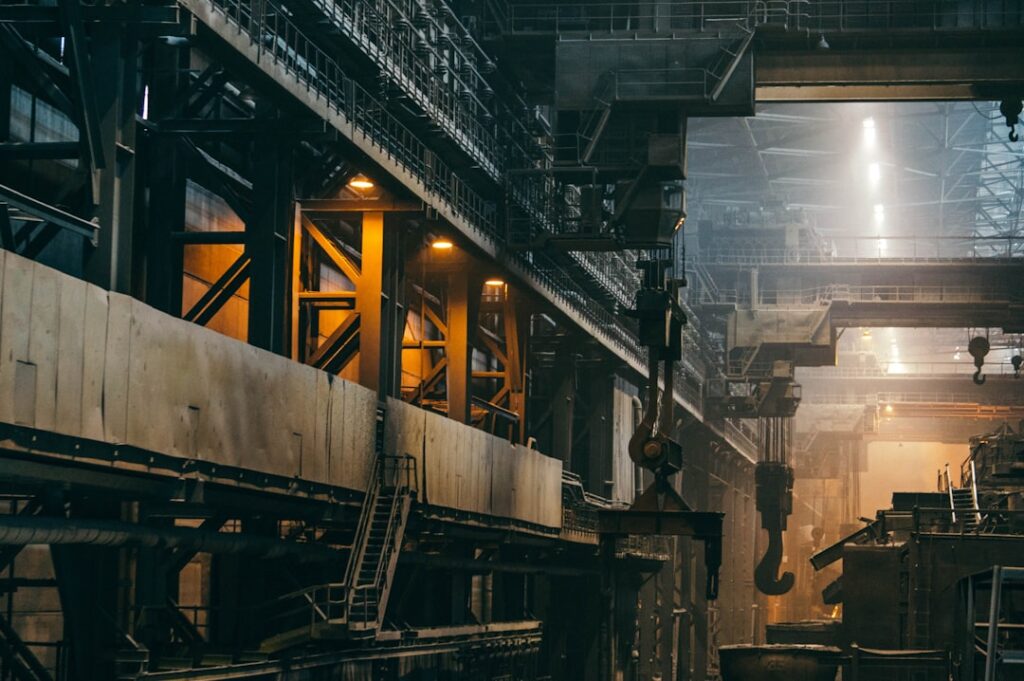
An explosion at a steel factory in Baotou, Inner Mongolia, on January 18, 2026, has resulted in four deaths, 84 injuries, and six people still unaccounted for. The blast occurred at a facility that processes iron ore into steel, a material critical to infrastructure such as bridges, vehicles, and buildings.
The factory was a significant component of the region’s industrial operations, but it is now the focus of a formal investigation. Chinese authorities detained the factory’s managers on January 19, the day after the explosion. The swift action indicates a targeted response to the disaster.
The detentions are not merely symbolic; they mark the beginning of a comprehensive inquiry into the facility’s operations. Investigators are expected to examine safety protocols, employee training, and equipment maintenance.
No aspect of the factory’s management is being excluded from scrutiny, given the scale of the incident. The steel production process inherently involves high-risk elements, including molten metal, heavy machinery, and pressurized systems. A single failure, whether from a faulty valve, a compromised weld, or human error, can trigger a catastrophic chain reaction.
The death toll of four suggests a severe event, while the 84 injured indicate a wide blast radius. The six missing persons mean search efforts continue, though the outcome remains uncertain.
Baotou is located in Inner Mongolia, a region integral to China’s industrial supply chain. Steel from this plant was likely destined for construction projects, pipelines, or shipping containers. While steel itself is not the issue, the report emphasizes that the process used to produce it has cost lives.
Steel is fundamental to modern society, appearing in skyscrapers, truck chassis, and concrete reinforcement. However, the report states that this production must not come at the expense of human safety or environmental health, noting that a clean and healthy planet is essential for well-being.
The investigation will seek to determine the cause of the explosion. Potential factors include maintenance backlogs, inadequately trained workers, or decisions made to meet production targets. The detained managers are expected to provide answers, though their veracity remains to be seen.
For the families of the six missing, time is critical. For the 84 injured, recovery is uncertain.
For the deceased, there is no recovery. The Baotou blast is a specific tragedy with specific victims, but it also serves as a broader test of China’s industrial safety regulations. The question is whether these rules are enforced or merely exist on paper. The detentions may lead to genuine accountability or could result in scapegoating.
The factory’s safety record is now under intense review. The report notes that questions are being raised about the preventive measures that were in place.
These inquiries are not theoretical; they will influence whether similar incidents occur elsewhere. Steel production will continue, but the central question remains whether it can proceed without additional loss of life.




