
Europe’s Loudest No
When the United States and Israel went to war with Iran, a conflict that began on Feb. 28, 2026, Europe’s loudest objection came from an unexpected corner: Madrid. As Jack Dutton reported for Al-Monitor on April 4, Spain has taken the lead in the European response, adopting one of the bloc’s strongest public positions and helping shape EU policy along the way.
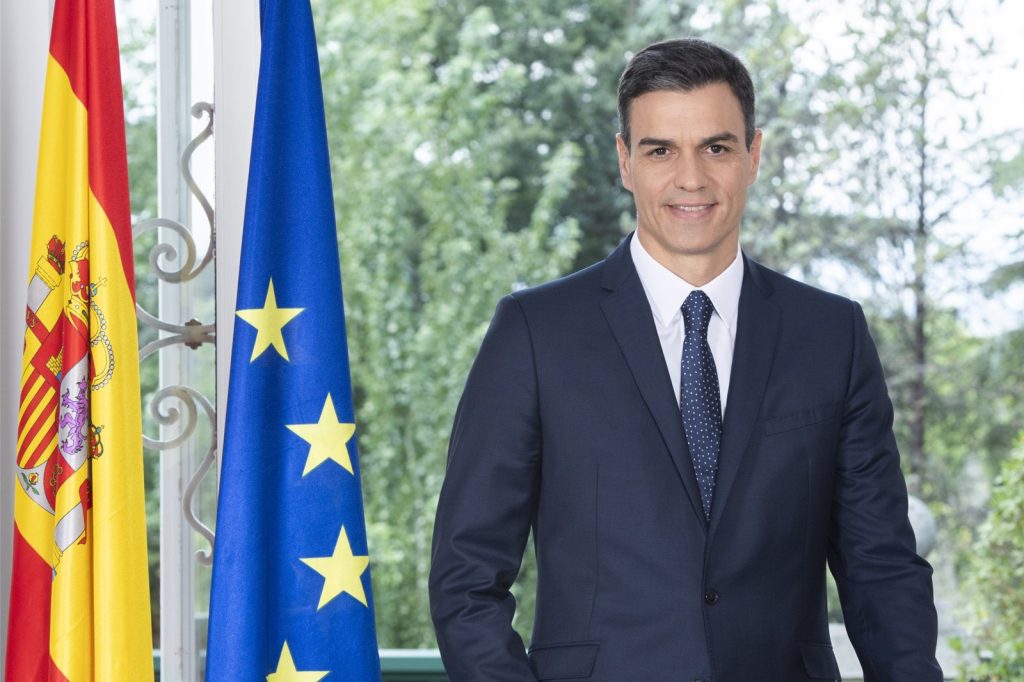
Prime Minister Pedro Sanchez condemned the US-Israeli campaign in public, calling it unlawful and dangerous. A televised address on March 4 fixed Spain’s stance in three words, a clear “no to war,” with a warning that the fighting risked consequences that could spread across the region and beyond, pressing instead for a return to diplomacy.
From Words to Runways
What separates Spain from the rest, the analysis argues, is that the rhetoric was followed by policy. Madrid closed its airspace to every US military aircraft tied to operations in the war. That move came after an earlier refusal: the joint US-Spanish bases at Rota and Moron were kept out of those actions. Spanish officials described the measures as a matter of not being complicit in a war they consider illegal and unjust.
Spain is not alone in Europe in calling for de-escalation. But Pol Morillas, who directs the Barcelona Centre for International Affairs, judged that Madrid stands out on two counts at once, in what it says and in what it actually does, including its early refusal to assist President Donald Trump’s Middle East military operations.
A Pattern, Not a Spasm
By March 25, Sanchez was carrying the same message to Spain’s parliament in Madrid. The stance has a lineage. Sanchez’s left-wing Spanish Socialist Workers’ Party has built its record on opposition to military intervention, from Iraq to Gaza, Ukraine and Venezuela. For families across Europe watching the war in Iran unfold, the Spanish position has offered one government plainly refusing the logic of escalation, and for the country’s own public, a consistency between what the party has long argued and what it now does with airspace and bases.
The rest of the continent, in Dutton’s telling, has been more cautious, which is precisely what makes Spain’s posture stand out. A monthlong war, one prime minister’s television address, and a set of closed runways: together they mark one of the strongest breaks a European government has made with the campaign.




