
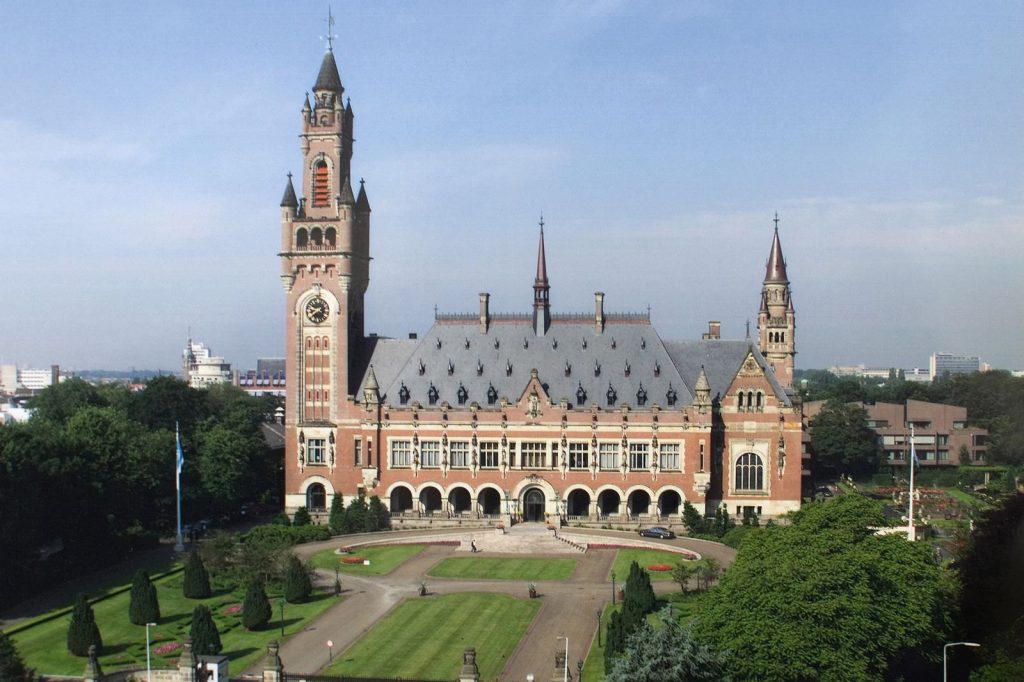
South Africa Files Genocide Case Against Israel at the International Court of Justice
The International Court of Justice in The Hague has received a genocide complaint lodged by South Africa against Israel. The filing occurred on December 29, 2023.
This move is not a routine procedural step; it places the United Nations’ highest judicial organ at the centre of a developing diplomatic confrontation. The ICJ’s judgments are binding on all member states, and a genocide allegation represents the most serious accusation possible under international law. The tribunal has previously dealt with similar matters, issuing rulings on war crimes and grave human rights violations.
Those decisions have altered diplomatic ties and created legal precedents that have endured for many years. South Africa brings considerable weight to the proceedings.
The nation is home to more than sixty‑three million inhabitants and possesses a shoreline stretching two thousand seven hundred and ninety‑eight kilometres along the South Atlantic and Indian Oceans. Its geographic position grants it strategic relevance in African and global affairs. Moreover, its historical experience provides moral authority on issues of racial oppression and human dignity, a legacy rooted in the country’s transition from apartheid to democracy. The South African government has long portrayed itself as a champion of international law and the protection of fundamental freedoms.
Initiating this genocide case is presented as a direct manifestation of that stance. Consequently, governments, diplomats, human rights monitors, and legal experts worldwide are expected to follow the case closelySędziowie will scrutinise every submission, and international lawyers will dissect the arguments presented by both sides.
The court will conduct public hearings, receive evidence from South Africa and Israel, and allow each party to present its defence. The eventual ruling will be binding. Should the judges determine that genocide has occurred, the repercussions would be far‑reaching: alliances could be reshaped, trade agreements reconsidered, and diplomatic recognition revisited.
Such a finding would also establish a precedent for how states are held responsible for mass atrocities and would test the limits of the ICJ’s enforcement capacity. The question of whether the court can compel compliance with its decision remains open, as it does for all international tribunals.
In anticipation of the legal process, diplomatic activity is expected to concentrate in two South African centres. Pretoria, the administrative capital, will host governmental meetings and strategy sessions, while Cape Town, the legislative capital, will see parliamentary debates and public hearings. Both cities will become focal points for international attention, with embassies intensifying their work and foreign ministers engaging in frequent consultations.
Media coverage is likely to dominate headlines for weeks and months, reflecting the seriousness of the escalation. Although tensions between South Africa and Israel have existed for some time, this filing converts those disagreements into a formal legal contest.
The final outcome remains uncertain, but one certainty is that global observers will watch closely, aware that the court’s decision will carry substantial weight and produce tangible consequences that cannot be ignored. At present, the case is filed and the clock is ticking. The International Court of Justice will set a timetable for the hearings, both parties will prepare their arguments, evidence will be assembled, and witnesses may be summoned.
The legal machinery is now in motion, and the international community awaits the next steps.




